Section 1: Lakefly Introduction
Estimated Time For Lesson: 7 minutes
What is Lakefly?
Lakefly is a citizen science project led by the Freshwater Biological Association (FBA), working in partnership with Natural England, and funded by the Department for Environment, Food and Rural Affairs (Defra) through the Natural Capital and Ecosystem Assessment (NCEA) programme.
Our aim is simple:
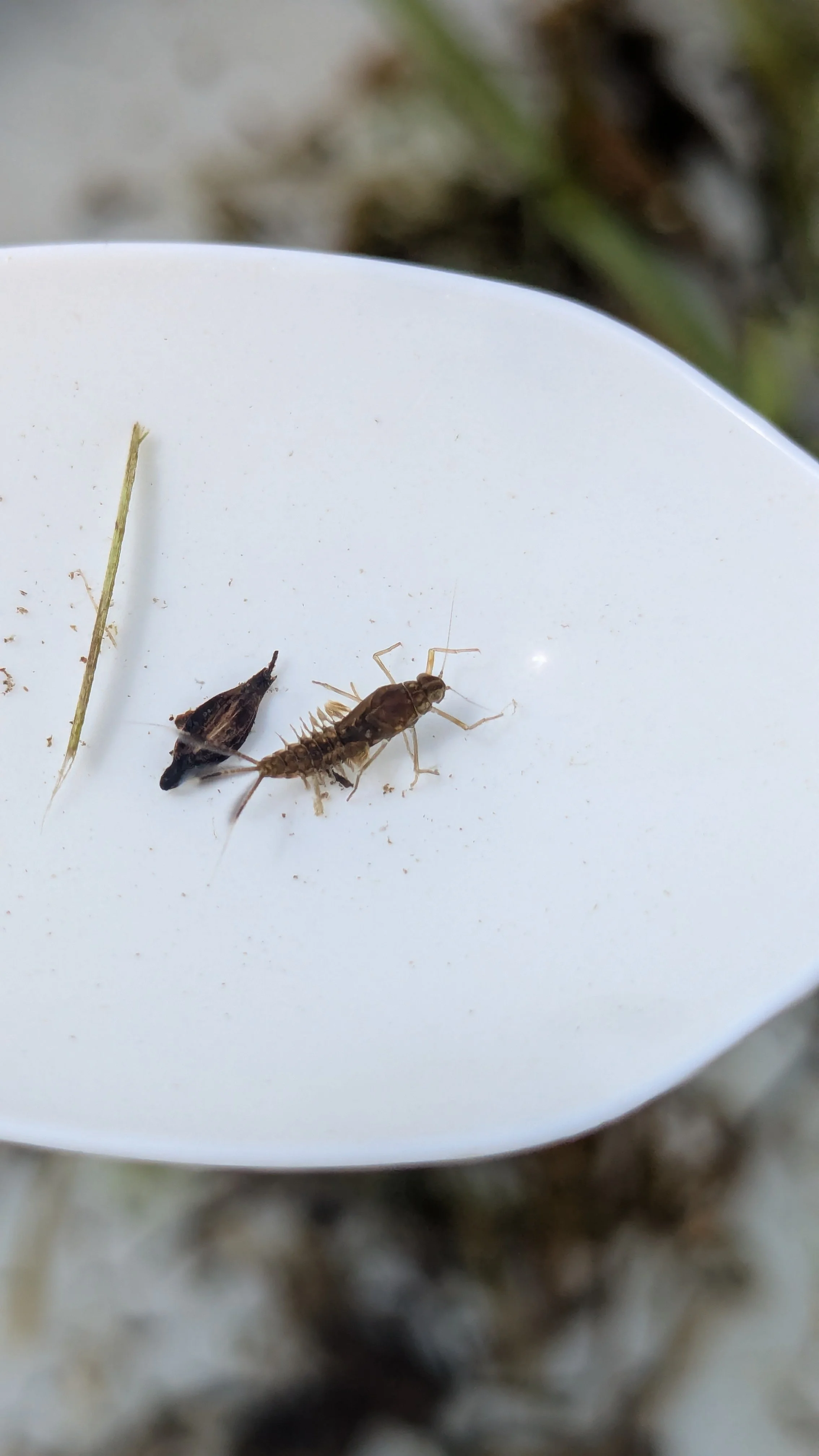
To monitor the health of lakes across the UK by looking at the small freshwater creatures (called invertebrates) that live in the shallow edges of lakes.
Invertebrates are brilliant indicators of lake health. Some species can only survive in clean, healthy water, while others are better at tolerating pollution. By looking at what lives in a lake, we can get an early warning of problems like pollution or ecological decline.
But here’s the problem:
In the UK, lakes are much less monitored than rivers, especially smaller, more remote ones. That means pollution or damage can go unnoticed for years.
That’s where you come in.
By joining Lakefly, you’ll help fill this data gap by collecting valuable information that helps scientists, conservationists, and communities understand and protect lakes.
Why Are Lakes Important?
Lakes are vital to people and wildlife. They:
Provide clean water
Help manage flood risk
Support a rich variety of plants, insects, fish, birds, and mammals
Are places for recreation, inspiration, and wellbeing
Support local economies through tourism and leisure
But lakes face threats like:
Pollution from chemicals and waste
Increased nutrients (from things like fertilisers), which can lead to increased algal blooms
Invasive species that harm native wildlife
Habitat degradation
Many of these issues go unnoticed without regular monitoring, and that’s why your involvement is so valuable.
How Does Lakefly Work?
As a Lakefly volunteer, you’ll:
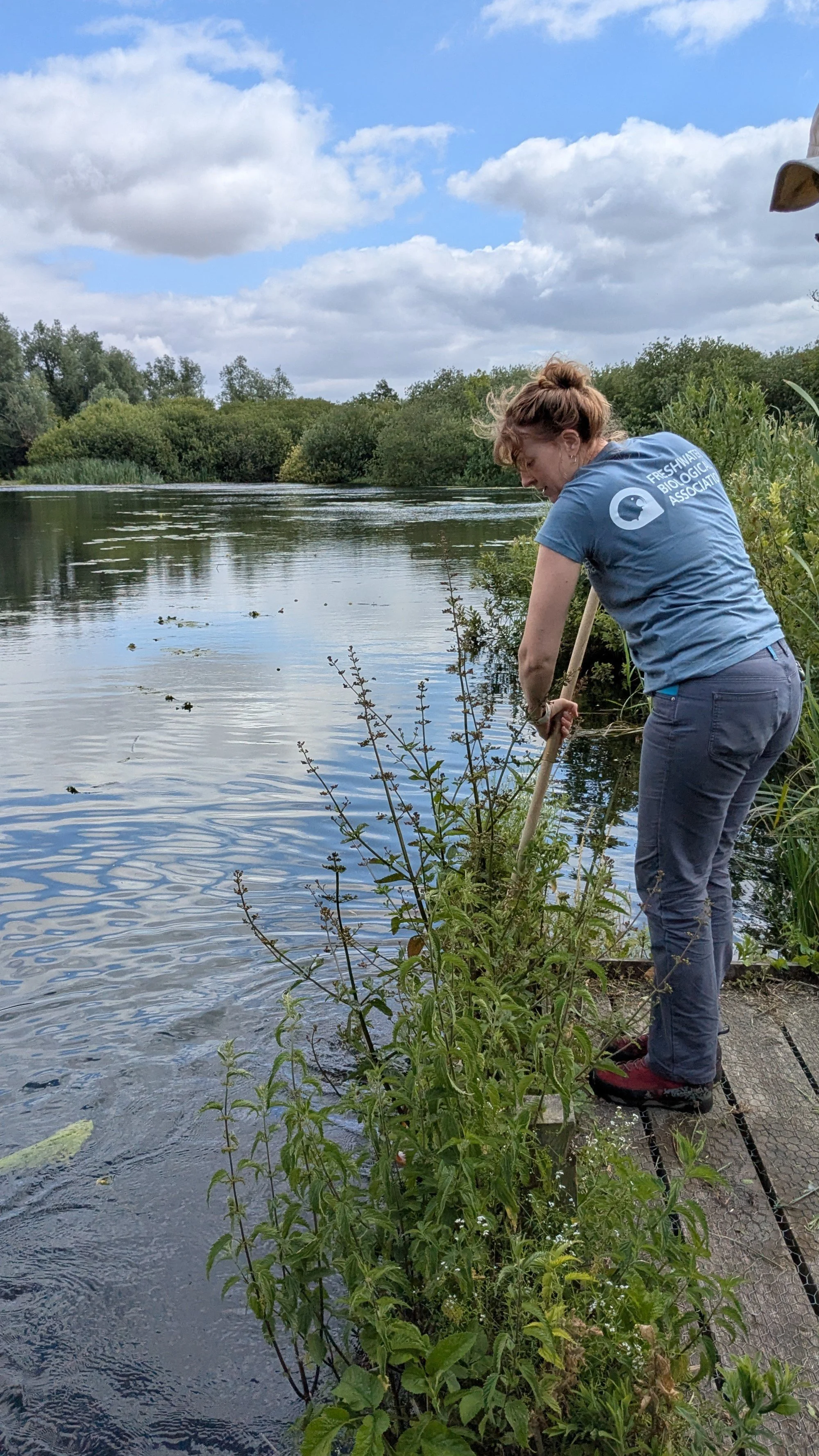
Sample the lake’s edge using simple equipment like a net and bucket.
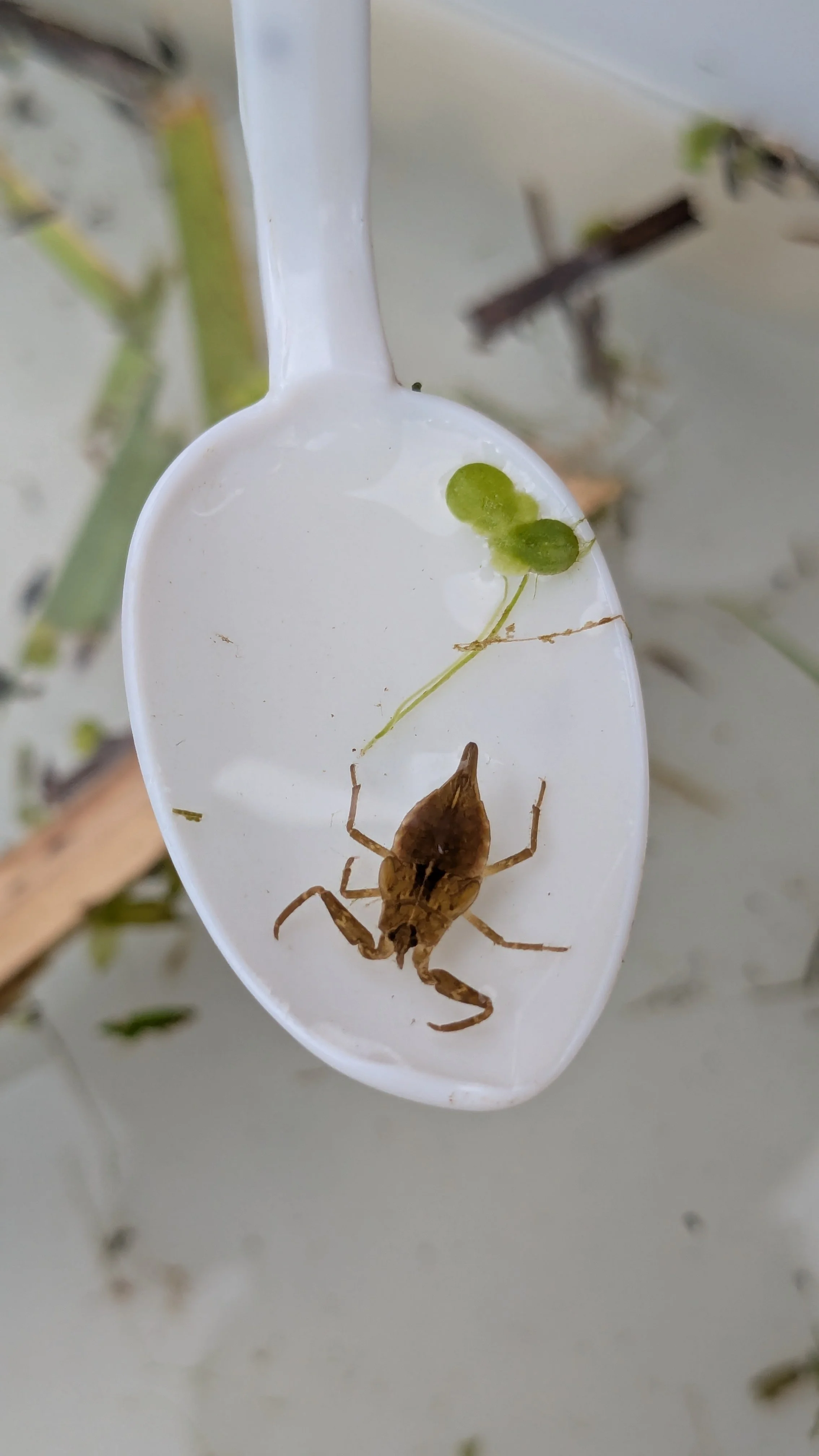
Identify the invertebrates you’ve caught using our easy guide (you’ll get plenty of help with this at your training day).
Record what you find - how many of each type you’ve identified.
Submit your data online, where it contributes to a national effort to understand and care for lakes.
Even if you’ve never done anything like this before that’s fine! The Lakefly method is designed to be simple, safe, and accessible, with support at every stage.
Why Your Contribution Matters
By taking part, you’ll:
Learn new skills in nature monitoring and invertebrate identification
Gain a better understanding of your local lakes
Join a network of volunteers across the UK working to protect freshwater environments
Make a meaningful contribution to science and conservation
Together, we can help build a clearer, national picture of lake health, and help spot problems early enough to make a difference.
What’s Next?
In the next section, we’ll help you get ready for sampling by exploring the 24 freshwater invertebrate groups you’ll learn to identify.
Click ‘Complete & Continue’ to begin Section 2: Lakefly Invertebrate Identification