
Section 2: Lakefly Invertebrate Identification
Estimated Time For Lesson: 3 minutes
ID Notes
Bivalves consist of two similar shell parts (valves) joined by a hinge.
Bivalves move via a foot that protrudes out of the base of the shell.
Concentric growth rings may be visible on their shells
Can be very small and almost transparent to very large
There are some invasive bivalves in the UK - if unsure, seek assistance to identify further.
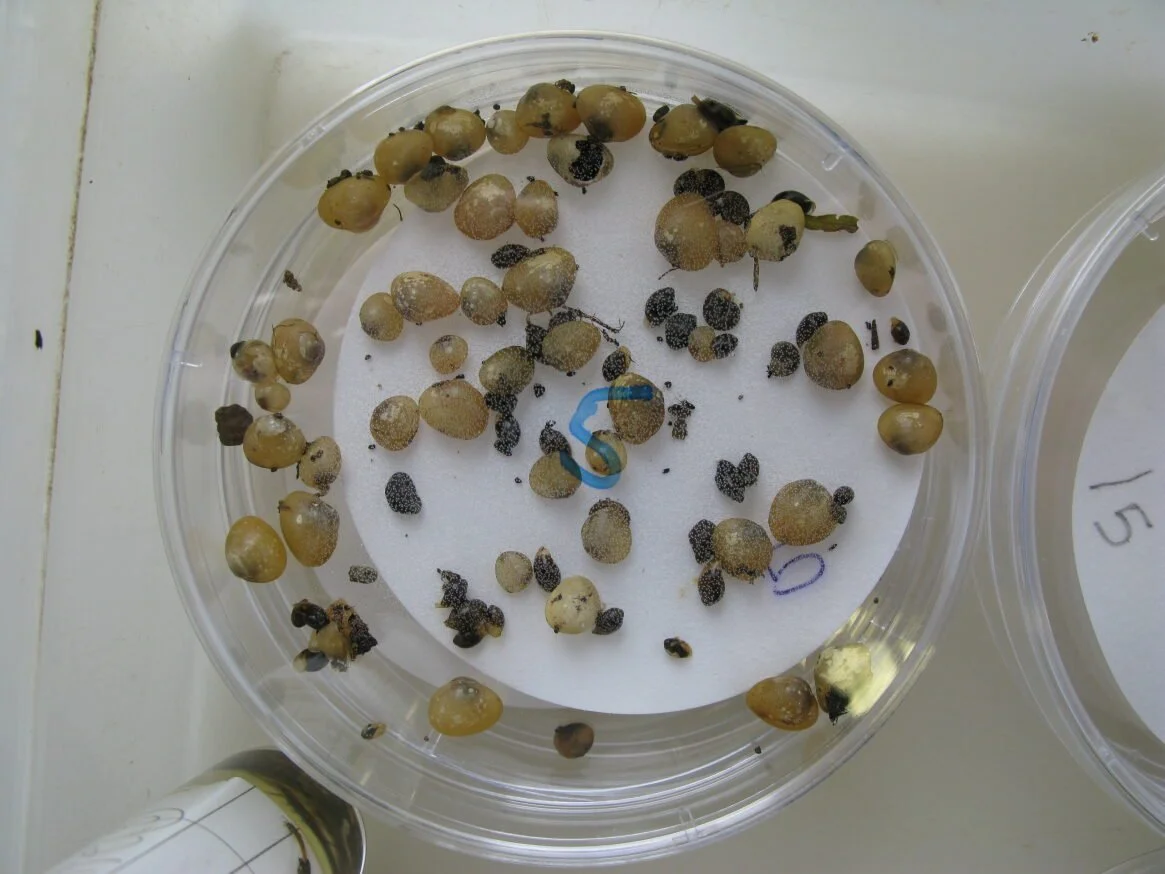
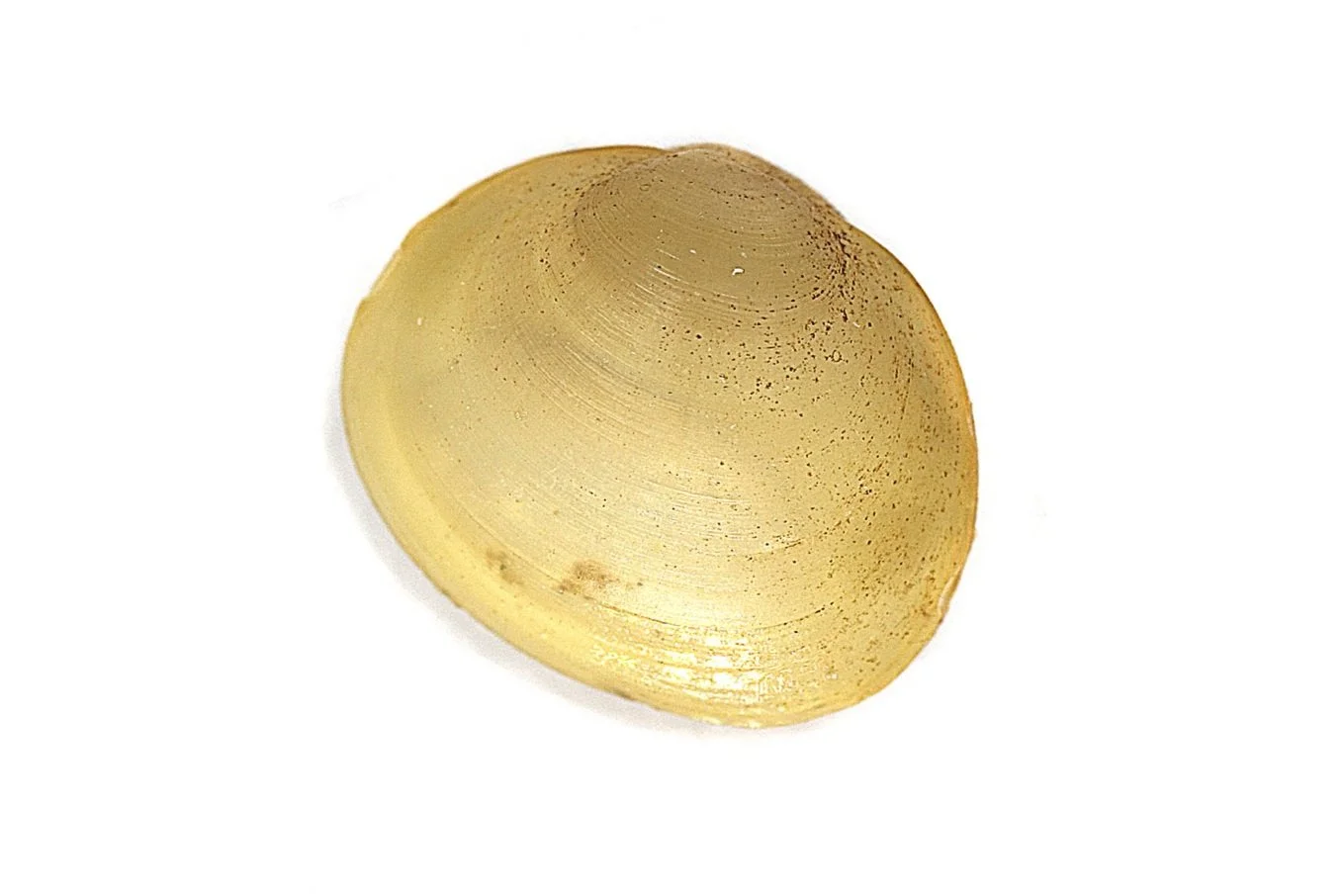
Photos Credit: Dr Cyril Bennett MBE