Courses
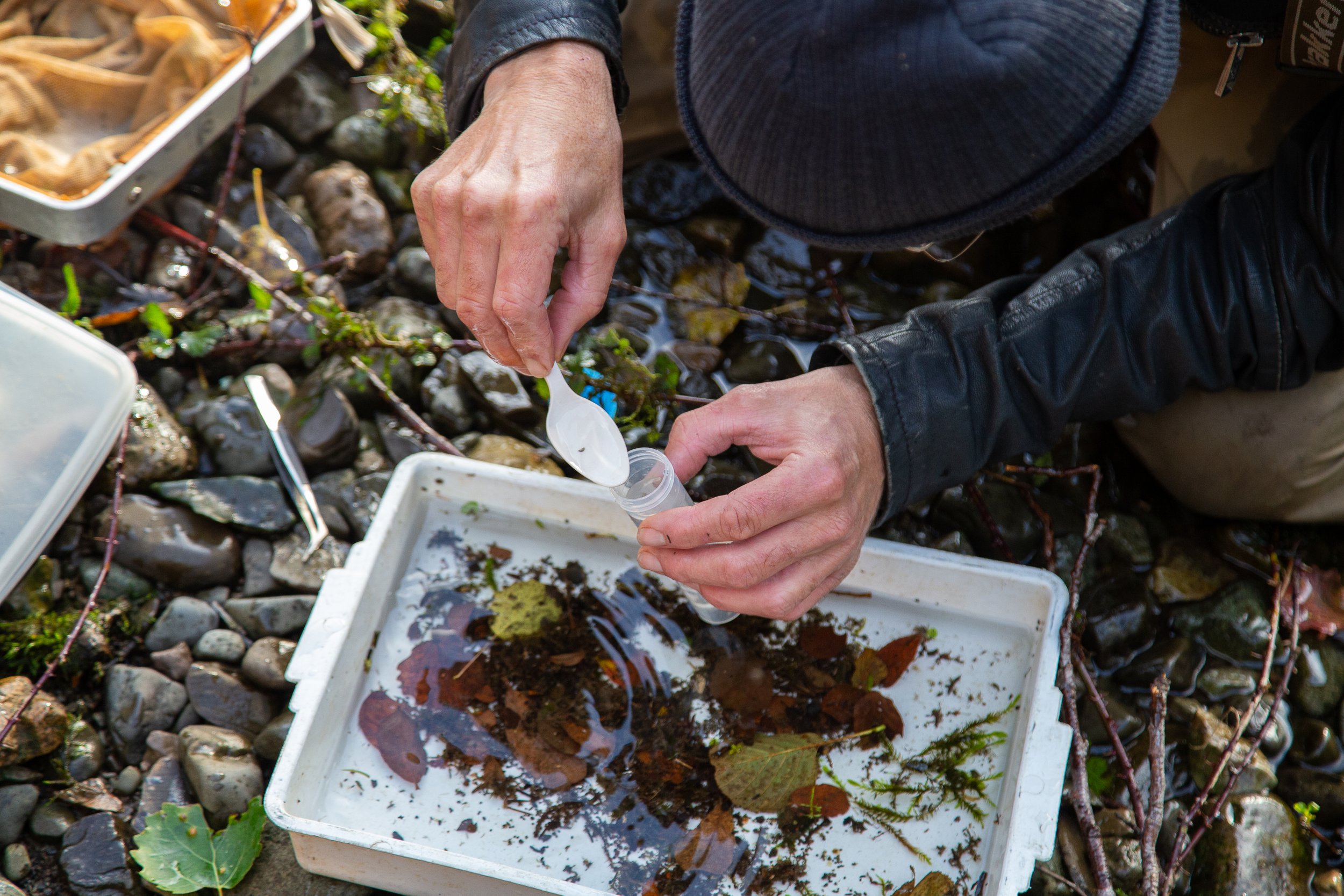
If you're fascinated by the world of freshwater biology we offer a range of courses with specialist tutors for beginners, enthusiasts and professionals. Learn to identify freshwater life and develop your understanding of sampling and monitoring.
We hope to run all these courses in 2025, if you would like to register interest please email info@fba.org.uk
Check out our collection of courses!
New Course!
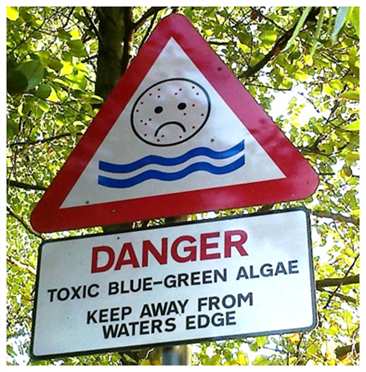
Assessment of Freshwater Algae Incidents
We are excited to announce this new 2 day course which is designed to equip staff of environmental and other agencies, water companies and consultancies in the monitoring and assessment of algal ‘incidents’ in freshwaters.
The course is designed to be an introduction for those with limited experience of freshwater algae. Areas covered during the course include appropriate methods for sampling, storage and preparation of samples and microscope analysis.
The basics of identification of major groups of algae found in freshwaters will be covered along with the pros and cons of different counting methods for algal incidents
Special attention will be given to the identification of nuisance algae including cyanobacteria (blue-green algae), green algae and diatoms. Other nuisance algae will be covered briefly.
All stages will be illustrated by practical demonstrations and exercises.
Finally, a broad understanding of assessment of results and appropriate responses to incidents and reporting will be presented.
Participants on all FBA courses must be 18 years and above.
Dates: 23th – 24th June 2026
Location: Nottingham University
Tutors: Professor Martyn Kelly, Dr Bill Brierley and Sarah Pritchard
Price: £650 for non-members or £585 for FBA members
Please select ‘pick-up’ after placing your order to ensure you are not charged postage on your booking.
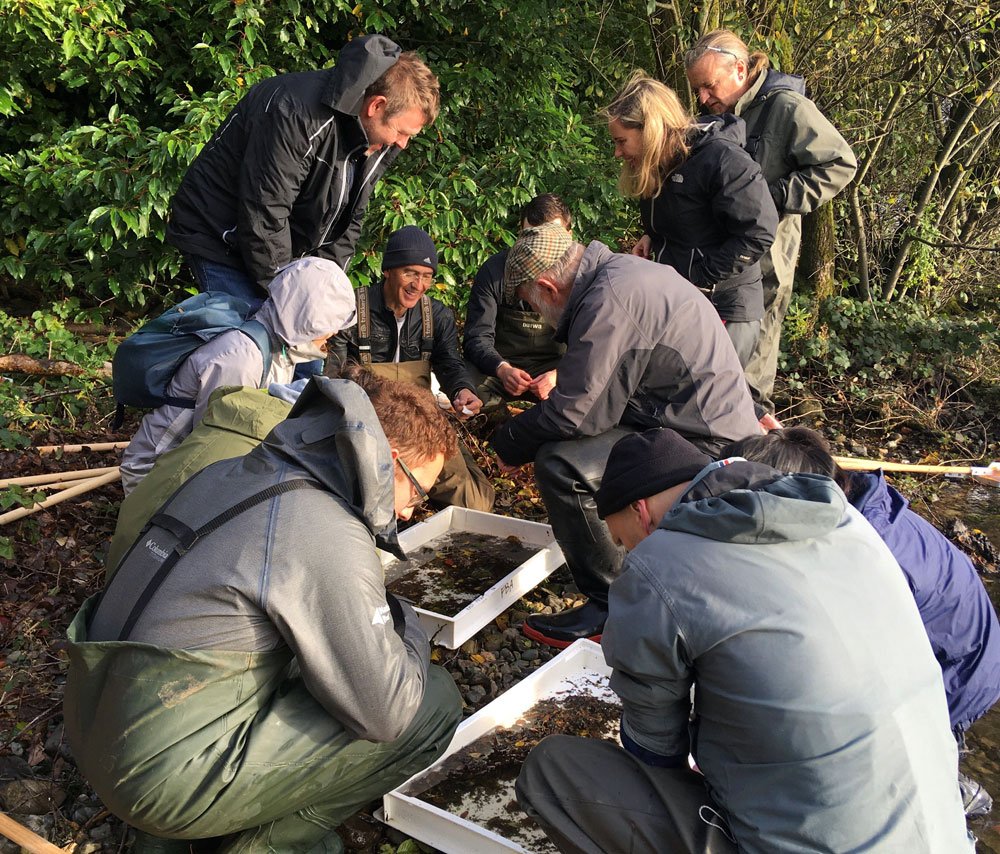
This two-day course will involve the collection and identification of aquatic invertebrates from running water habitats, and will feature sampling methods, bankside sorting and lab-based identification. John Davy-Bowker is a knowledgeable freshwater biologist with considerable research and teaching experience.
Dates: 18th & 19th August 2026
Location: Field Studies Council Laboratory, Castlehead, Grange-Over-Sands, Cumbria, LA11 6QT
Tutor: John Davy-Bowker
Price: £396 for non-members and £360 for FBA members
Please click on the following link to download and complete the booking form then email to info@fba.org.uk: FBA Courses Booking Form.docx
TO AVOID POSTAL CHARGES PLEASE SELECT ‘PICK UP’ OPTION AT CHECKOUT.
Please note: Payment should be made in full via the website before your place on this course is secured.

This 4.5 day course is designed to train staff of environmental and other agencies, utility companies, consultancies, museums, universities, and research students, in the identification of the major groups of ecologically important algae for assessment ‘incidents’ and the recognition of ecologically harmful and nuisance algae.
Special consideration will be given to harmful and nuisance algae, recognition of algae responsible for 'incidents' and the use of freshwater algae for ecological assessment. It is designed to be an introduction for those with limited experience of freshwater algae but, nonetheless, every effort will be made to cater for those who wish to enhance their existing taxonomic expertise and identification skills. This course is based on the highly successful Durham Freshwater Algal Identification course.
Participants on all FBA courses must be 18 years and above.
Dates: 15th - 19th June 2026.
Location: Field Studies Council, Castle Head, Grange-Over-Sands, Cumbria LA11 6QT.
Limited accommodation is available on site, however this must be booked and paid directly with Field Studies Council. Please contact enquiries.ch@field-studies-council.org for further information.
Tutors: Prof Martyn Kelly, Prof David John, Dr B Brierley, Dr A Pentecost.
Price: £750 for non-members or £675 for FBA members
Please click on the following link to download and complete the booking form then email to info@fba.org.uk: FBA Courses Booking Form.docx
Please select ‘pick up’ at checkout to avoid postage charges being applied.
Please note: Payment via the website is required in full before your place on this course is secured.

Ponds are increasingly being recognised as critical to biodiversity conservation in UK landscapes. This two-day course will introduce participants to pond restoration science and best practice.
Helen Greaves & Carl Sayer of the Pond Restoration Research Group at University College London (UCL) are co-founders of the Norfolk Ponds Project, and have been restoring ponds and studying pond restorations for over 15 years. Following publication of the recent “Guide to the Restoration, Creation and Management of Ponds”, they are keen to pass on lessons learnt.
The course will include lectures, workshops and field visits focused on the restoration of degraded existing ponds and in-filled “ghost ponds”.
It will introduce participants to science showing the benefits of restoring and resurrecting ponds for freshwater and terrestrial biodiversity and the key DOs and DON’TS of pond restoration, covering pond selection and key considerations during the restoration process.
The course will also cover the engagement of landowners and farmers, as well as the general public, with pond conservation, as well as routes for funding pond conservation work. Participants will see a Norfolk Ponds Project restored pond landscape lost in rural farmland that will inform, inspire, and set an example for what is possible.
Participants on all FBA courses must be 18 years and above.
Date: 25th & 26th June 2026
Location: Heydon Village, North Norfolk
Tutor: Helen Greaves & Carl Sayer
Price: £275 for non-members and £250 for FBA members
Please click on the following link to download and complete the booking form then email to info@fba.org.uk: FBA Courses Booking Form.docx
TO AVOID POSTAL CHARGES PLEASE SELECT ‘PICK UP’ OPTION AT CHECKOUT.
Please note that your place on this course must be paid via the website in full before it is secured.

This River Restoration Modelling Course covers the upland river settings. The lowland river settings course may be booked separately.
With the advent of improved computing power, user-friendly software and easier acquisition of base data, the tasks required to deliver river naturalisation have become easier. In particular, the ability to rapidly simulate the action of water across the riverine landscape has revolutionised our ability to understand fluvial processes and to harness this knowledge to rejuvenate degraded systems in a targeted manner.
This course introduces simple 2D modelling through a set of hands-on exercises to develop flow simulations across a varied fluvial landscape. It is targeted at those interested in this area but with no prior knowledge of river modelling. Anyone interested in NFM, river and floodplain restoration and tributary and drainage improvement will benefit from the course. Delegates will, under supervision, build their own models (no laptop required) and assess outputs using the results to suggest local interventions that improve hydromorphological functioning. All software and base data are free and these, together with the results from the day, can be downloaded and retained by delegates at the end of the course.
Key course components:
The history and value of modelling
Different types of models and their uses (catchment, NFM, river design, ecohydraulics etc.)
Mapping flow in the catchment using GIS & rainfall models
Simple reach-scale modelling to map opportunities and constraints
Example modelling exercise
Utilising the results for system naturalisation
Date: To be confirmed soon
Note: This is a one day course and will explore an upland river setting. Lunch will be provided.
Location: Field Studies Council Laboratory, Castlehead, Grange-Over-Sands, Cumbria, LA11 6QT
Tutor: George Heritage & Kieran Sheehan
Price: £260 for non-members and £234 for FBA members
Please click on the following link to download and complete the booking form then email to info@fba.org.uk: FBA Courses Booking Form.docx
TO AVOID POSTAL CHARGES PLEASE SELECT ‘PICK UP’ OPTION AT CHECKOUT.

This 2-day course will give participants an introduction of how to sample and identify a range of aquatic plants, using a pragmatic and practical approach to identify common and ubiquitous aquatic forms. It will provide an introduction to the survey method used to assess river macrophyte populations and will use a structured based approach pioneered by Nigel Holmes and subsequently refined by the tutor.
This approach allows the identification of plants using easily recognisable features (e.g. submerged linear leaved, paired broad leaved marginal, etc.). This approach does not always follow the traditional botanical approach but has been shown to be an effective way for people to learn and accurately identify aquatic plants.
The course will comprise talks and presentations, lab practicals looking at fresh specimens and visits to local river sites. Tim Jones is an experienced freshwater ecologist and aquatic plant expert – he has run plant training courses for many years and together with Nigel Holmes ran the accreditation plant scheme for the Environment Agency.
Participants on all FBA courses must be 18 years and above.
Dates: 29 - 30 June, 2026
Location: RiverLab, Dorset
Tutor: Tim Jones
Price: £396, members £350.
Please click on the following link to download and complete the booking form then email to info@fba.org.uk: FBA Courses Booking Form.docx
TO AVOID POSTAL CHARGES PLEASE SELECT ‘PICK UP’ OPTION AT CHECKOUT.
Please note: Payment is required in full via the website in order to secure your place on this course.

This three-day course will give participants a more advanced look at a range of aquatic plants, using a detailed pragmatic and practical approach to identify common and ubiquitous aquatic forms.
This course will continue to employ the effective survey method used to assess river macrophyte populations introduced in the Beginner’s course and will use a structure based approach by Nigel Holmes and subsequently refined by tutor Tim Jones.
This approach allows the identification of plants easily recognisable features (e.g. submerged linear leaved, paired broad leaved marginal, etc.). This approach does not always follow the traditional botanical approach but has been shown to be an effective way for people to learn and accurately identify aquatic plants.
At the end of the course, participants will be examined on their identification skills and, if the required standard is attained, a certificate of achievement will be awarded. The course will comprise talks and presentations, lab practicals looking at fresh specimens and visits to local river sites.
Tim Jones is an experienced freshwater ecologist and aquatic plant expert – he has run plant training courses for many years and together with Nigel Holmes ran the accreditation plant scheme for the Environment Agency.
Lunch is provided for the duration of the course.
Dates: 6th - 8th July, 2026
Location: RiverLab, Dorset
Tutor: Tim Jones
Price: £688 for non-members or £625 for members
Please click on the following link to download and complete the booking form then email to info@fba.org.uk: FBA Courses Booking Form.docx
TO AVOID POSTAL CHARGES PLEASE SELECT ‘PICK UP’ OPTION AT CHECKOUT.
Please note: Payment must be made in full via the website in order to secure your place on this course.

During this 2 day course, delegates can expect to gain a theoretical and practical knowledge of the latest version of the RIVPACS/RICT bioassessment tool. The course will provide an introductory background to bioassessment, biotic indices, RIVPACS models and RICT. Note: this course does not cover invertebrate identification. Some prior knowledge of river invertebrate sampling and the principles of invertebrate identification would be beneficial.
Dates: 8 and 9 October 2026
Location: RiverLab, Dorset
Tutors: John Davy-Bowker & John Murray-Bligh
Prices: £396 for non-members, £360 for members
Please click on the following link to download and complete the booking form then email to info@fba.org.uk: FBA Courses Booking Form.docx
Please select ‘pick up’ option when checking out to avoid postage charges being applied.

This 3-day course covers the identification of the freshwater macroinvertebrate families used for biotic assessment (BMWP, WHPT, LIFE and PSI). It is aimed at professionals with experience of identification, who wish to consolidate their knowledge. At the end of the course, participants will be examined on their identification skills and, if the required standard is attained, a certificate of achievement in family- level invertebrate identification will be awarded.
This course is part of a series of FBA accredited invertebrate identification courses; future courses will allow participants to demonstrate their skills in taking individual groups of invertebrates to species level. John Davy-Bowker is a knowledgeable freshwater biologist with considerable research and teaching experience.
Date: 4th - 6th November, 2026
Location: Field Studies Council Laboratory, Castle Head, Grange-over-Sands, Cumbria
Tutor: John Davy-Bowker
Prices: £688 for non-members and £625 for FBA members
Please click on the following link to download and complete the booking form then email to info@fba.org.uk: FBA Courses Booking Form.docx
Please note that all bookings will require payment via the website in order to be secured.
This River Restoration Modelling Course covers the lowland river setting. Please see the upland river settings version to be held on the preceding day.
With the advent of improved computing power, user-friendly software and easier acquisition of base data, the tasks required to deliver river naturalisation have become easier. In particular, the ability to rapidly simulate the action of water across the riverine landscape has revolutionised our ability to understand fluvial processes and to harness this knowledge to rejuvenate degraded systems in a targeted manner.
This course introduces simple 2D modelling through a set of hands-on exercises to develop flow simulations across a varied fluvial landscape. It is targeted at those interested in this area but with no prior knowledge of river modelling. Anyone interested in NFM, river and floodplain restoration and tributary and drainage improvement will benefit from the course. Delegates will, under supervision, build their own models (no laptop required) and assess outputs using the results to suggest local interventions that improve hydromorphological functioning. All software and base data are free and these, together with the results from the day, can be downloaded and retained by delegates at the end of the course.
Key course components:
The history and value of modelling
Different types of models and their uses (catchment, NFM, river design, ecohydraulics etc.)
Mapping flow in the catchment using GIS & rainfall models
Simple reach-scale modelling to map opportunities and constraints
Example modelling exercise
Utilising the results for system naturalisation
Date: To be confirmed soon
Note: This is a one day course and will explore a lowland river setting. Lunch is provided
Location: Field Studies Council Laboratory, Castlehead, Grange-Over-Sands, Cumbria, LA11 6QT
Tutor: George Heritage & Kieran Sheehan
Price: £260 for non-members and £234 for FBA members
Please click on the following link to download and complete the booking form then email to info@fba.org.uk: FBA Courses Booking Form.docx
TO AVOID POSTAL CHARGES PLEASE SELECT ‘PICK UP’ OPTION AT CHECKOUT.
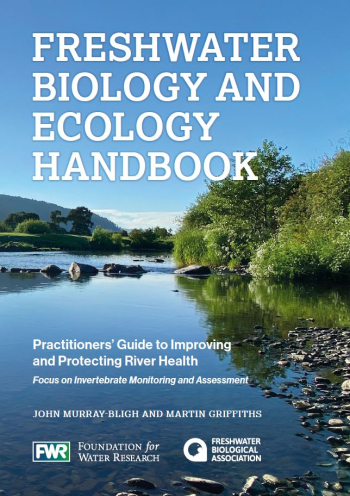
This handbook provides an overview of the biological and ecological methods used to assess the status of the freshwater environment, with a focus on invertebrate methods. Good river health is the key outcome and aim of this work. The handbook describes how biological methods are used in the UK to improve and protect freshwater quality by delivering the Water Framework Directive. The principles underlying that delivery are constants and feed forward into possible reshaped UK approaches in the future.
The book is aimed at students, operational ecologists (including citizen scientists), nascent environment protection agencies (including those joining the European Union), and policy makers in the UK.
· Chapter 1 provides an overview, including the legal framework for freshwater biological monitoring
· Chapter 2 is a practitioner’s guide to the standard methods for invertebrate sampling and data collection
· Chapter 3 provides an understanding of current river invertebrate classification methodologies, focussing on RIVPACS and surveillance & operational monitoring.
· Chapter 4 looks at other sampling methods for investigative monitoring
· Chapter 5 looks at indices and data analyses for investigations, including the increasing contribution from citizen science programmes.
· Chapter 6 considers the reporting methods used in the UK and the EU, specifically with links to investment programmes, driven by the monitoring and assessment information. It also provides links to publicly available datasets.
The focus is on river invertebrate methodologies and on status classification, using the UK’s RIVPACS approach to provide a working example of what is needed to set up a biological monitoring programme for a national initiative, a river catchment or a specific tributary. Public participation through citizen science initiatives and are increasingly important for gathering data and presenting evidence, and those methods are also described. Most invertebrate methods use similar key principles, and we expect users to modify and adapt methods to their specific situations as needed.
Several important biological and ecological methods are not covered in this handbook, including fish, macrophyte, diatom, DNA, and river habitat assessments, river restoration methodologies, still-water methods, and statistic and computing methods. We would like other specialists to work in collaboration with FWR and FBA to add additional chapters or sections to expand its coverage.
The core elements described here are the basis for training programmes and university teaching, to provide the expertise to consolidate the improvement of river health into the future. We also hope that they provide a useful insight for civil servants, water managers, specialists, and river conservation groups working to improve and protect our invaluable freshwater environment.
In making this publication free of charge and for public good, we hope to accelerate the development and use of biological monitoring and assessments to improve the understanding of freshwater systems around the world.
This digital version of the Freshwater Biology and Ecology Handbook is free to download, but we would be extremely grateful if you would be happy to make a £5 donation for the e-book.
As a registered charity we rely on the generosity of our donors and our membership base in order to carry out work necessary to ensure a healthy future for our river and lake habitats. If you choose to support us, your donation will be making a difference for our freshwaters and all who use them.
If you're happy to make a £5 donation for this download (thank you!), please visit this £5 donation / download page.
This handbook provides an overview of the biological and ecological methods used to assess the status of the freshwater environment, with a focus on invertebrate methods. Good river health is the key outcome and aim of this work. The handbook describes how biological methods are used in the UK to improve and protect freshwater quality by delivering the Water Framework Directive. The principles underlying that delivery are constants and feed forward into possible reshaped UK approaches in the future.
The book is aimed at students, operational ecologists (including citizen scientists), nascent environment protection agencies (including those joining the European Union), and policy makers in the UK.
· Chapter 1 provides an overview, including the legal framework for freshwater biological monitoring
· Chapter 2 is a practitioner’s guide to the standard methods for invertebrate sampling and data collection
· Chapter 3 provides an understanding of current river invertebrate classification methodologies, focussing on RIVPACS and surveillance & operational monitoring.
· Chapter 4 looks at other sampling methods for investigative monitoring
· Chapter 5 looks at indices and data analyses for investigations, including the increasing contribution from citizen science programmes.
· Chapter 6 considers the reporting methods used in the UK and the EU, specifically with links to investment programmes, driven by the monitoring and assessment information. It also provides links to publicly available datasets.
The focus is on river invertebrate methodologies and on status classification, using the UK’s RIVPACS approach to provide a working example of what is needed to set up a biological monitoring programme for a national initiative, a river catchment or a specific tributary. Public participation through citizen science initiatives and are increasingly important for gathering data and presenting evidence, and those methods are also described. Most invertebrate methods use similar key principles, and we expect users to modify and adapt methods to their specific situations as needed.
Several important biological and ecological methods are not covered in this handbook, including fish, macrophyte, diatom, DNA, and river habitat assessments, river restoration methodologies, still-water methods, and statistic and computing methods. We would like other specialists to work in collaboration with FWR and FBA to add additional chapters or sections to expand its coverage.
The core elements described here are the basis for training programmes and university teaching, to provide the expertise to consolidate the improvement of river health into the future. We also hope that they provide a useful insight for civil servants, water managers, specialists, and river conservation groups working to improve and protect our invaluable freshwater environment.
In making this publication free of charge and for public good, we hope to accelerate the development and use of biological monitoring and assessments to improve the understanding of freshwater systems around the world.
NEW COURSE: Pond Restoration Training: North West England on 6 & 7 July 2026. From £250.00
Ponds are increasingly recognised as critical features for biodiversity conservation across UK landscapes. This two-day course will introduce participants to the science and best practice of pond restoration.
Helen Greaves of the Pond Restoration Research Group at University College London (UCL) is a co-founder of the Norfolk Ponds Project (NPP) and Executive Director of the NPP Community Interest Company (CIC). With over 15 years’ experience restoring ponds and researching their ecological recovery, and following publication of the recent Guide to the Restoration, Creation and Management of Ponds, Helen is keen to share key lessons and practical insights from both the UCL and NPP teams.
The course will include a combination of lectures, workshops, and field visits focused on the restoration of degraded overgrown ponds and in-filled “ghost ponds”.
Participants will be introduced to the scientific evidence underpinning pond restoration, including the benefits for freshwater and terrestrial biodiversity. The course will also cover the key DOs and DON’Ts of restoration, including pond selection and important considerations during the restoration process.
Field visits will explore two contrasting pond landscapes typical of West Lancashire. One site is situated within a lowland floodplain landscape, while the other lies within a higher arable setting adjacent to a nature reserve. These visits will provide an opportunity to compare ponds across different land uses, including farmland and conservation-focused landscapes. Participants will consider how landscape context influences restoration potential, management approaches, and ecological outcomes, including the specific challenges and opportunities associated with restoring existing ponds and resurrecting ghost ponds.
The course will also address approaches to engaging landowners, farmers, and local communities in pond conservation, alongside practical routes for securing funding to support restoration work.
Participants on all FBA courses must be 18 years and above.
Location: West Lancashire (near Ormskirk)
Tutor: Helen Greaves
Price: £275 for non-members, £250 for members
Please click on the following link to download and complete the booking form then email to info@fba.org.uk: FBA Courses Booking Form.docx
TO AVOID POSTAL CHARGES PLEASE SELECT ‘PICK UP’ OPTION AT CHECKOUT.
Please note: Payment must be made in full via the website in order to secure your place on this course.