Welcoming our new Species Recovery Manager – Dr Sarah Raubenheimer
10 June, 2026
Last year was an impressive year of action-focused science at the FBA's Species Recovery Centre (SRC), with over 50,000 freshwater pearl mussels being reared, and over 5,000 juveniles released into three Cumbrian rivers.
This year is especially exciting as we welcome Dr Sarah Raubenheimer as the new Species Recovery Manager. Sarah will be leading project delivery and strategy, working closely with FBA’s Head of Science Louise Lavictoire to grow the Freshwater Pearl Mussel recovery programme and expand conservation to other at-risk species.
We thought it would be great to have a catch up with Sarah as she begins her new freshwater adventure at the FBA Ark.
So firstly a very warm welcome to the FBA! To kick our conversation off... please tell us a little about your interest in freshwater conservation that has led you to the FBA SRC on the shores of Windermere, in the Lake District.
Thank you! I'm delighted to be joining the FBA.
I've always been fascinated by freshwater ecosystems. They support an incredible diversity of life, provide essential benefits to people, and yet often don't receive the same attention as terrestrial or marine environments. The more I learned about freshwater ecology, the more I realised how much there is still to discover and how urgently many of these systems need protecting.
What attracted me to the FBA was the opportunity to combine science with practical conservation. The Species Recovery Centre is doing exactly the kind of work I find most exciting: using research to help recover threatened species and improve the health of freshwater ecosystems.

A view over Windermere from the Species Recovery Centre, in the Lake District, Cumbria.
You're joining us from the Institute for Global Change Biology at the University of Michigan, so we wondered how are you finding life here in the Lake District? Have you discovered a favourite freshwater spot yet?
The transition has been great so far. Ann Arbor, Michigan was a wonderful place to live and work, but it's hard to complain when your commute takes you past Windermere.
I'm still exploring, but one place that has really stuck with me is Low Water Tarn beneath the Old Man of Coniston. After the climb up, it feels wonderfully remote and peaceful, and the views aren't bad either.
More generally, one of the things I've enjoyed most is how easy it is to stumble across an interesting stream, beck or tarn almost anywhere in the Lake District. As a freshwater ecologist, it's a dangerous place to go for a walk because I keep stopping to look at things.
I'm also slowly learning to understand local accents. I've discovered that the older the farmer and the longer the conversation goes on, the more likely I am to be smiling and nodding while trying to work out what was just said.
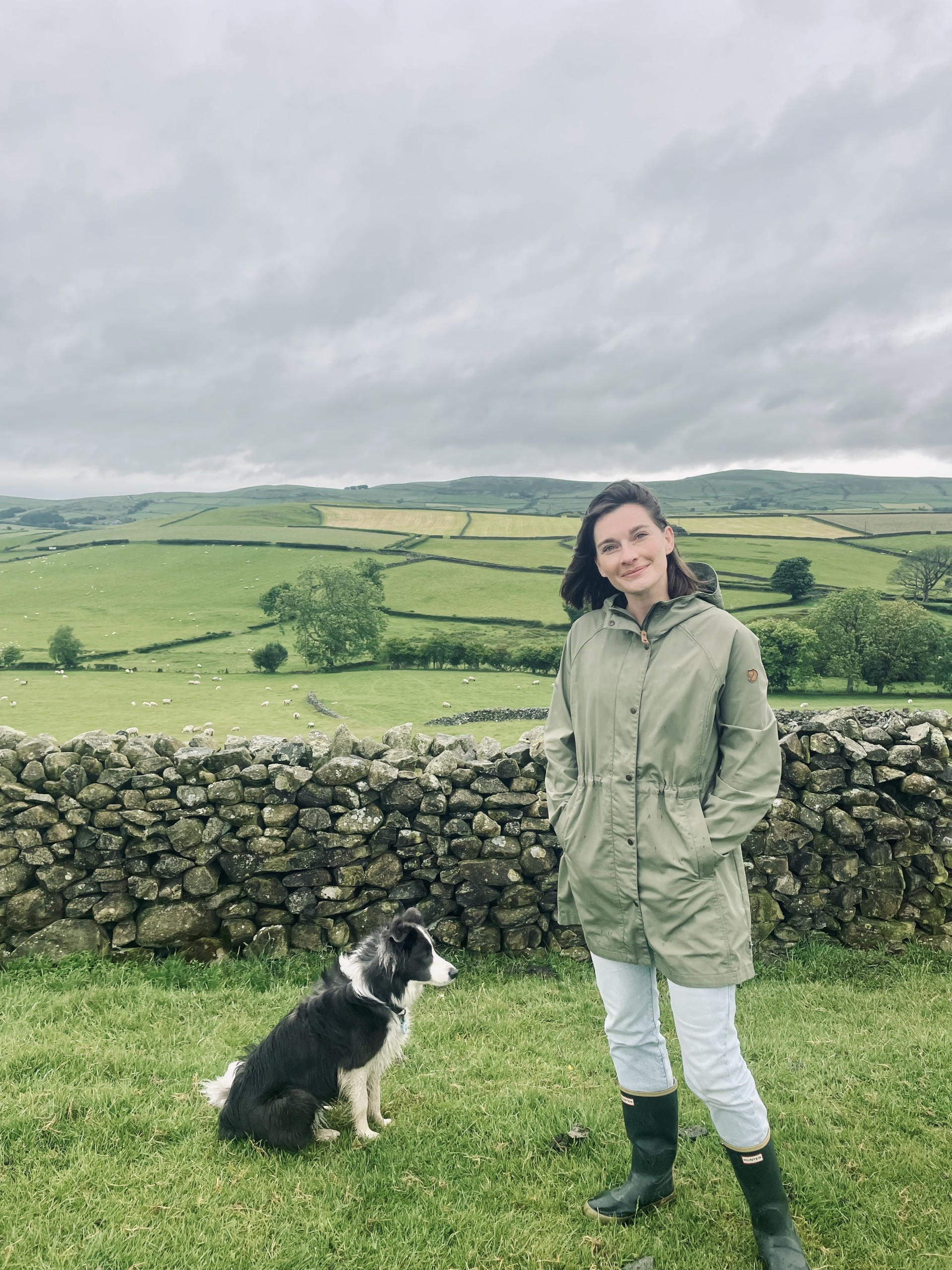
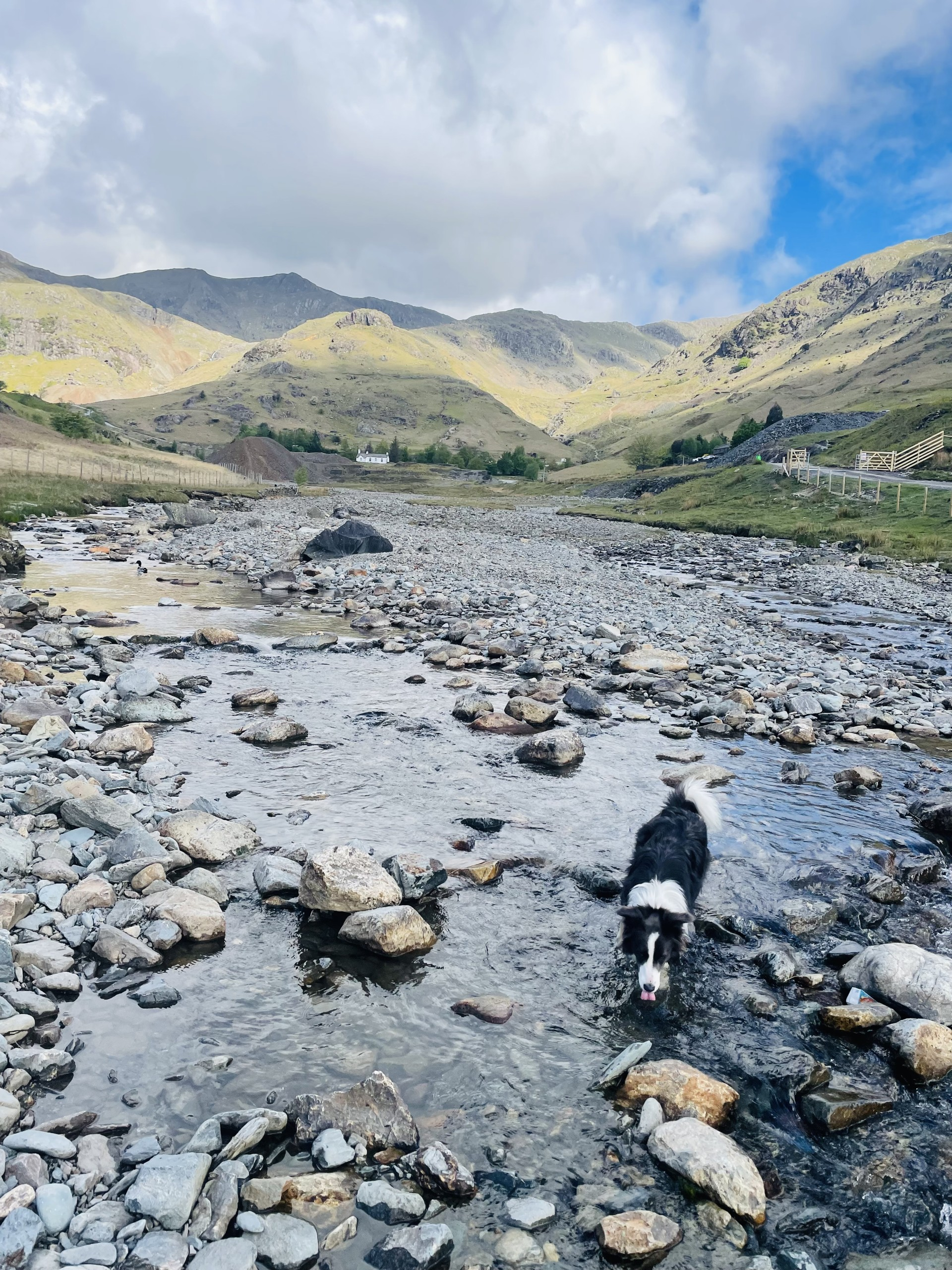
Sarah Raubenheimer in the Lake District (left), and a Cumbrian stream (right).
And do you have a particular interest in freshwater pearl mussels or is your scientific background more generally in species recovery?
My background is broader than freshwater pearl mussels specifically and is rooted in ecology, conservation science and plant ecology. I'm interested in understanding how species and ecosystems respond to environmental change, and how we can use that knowledge to support recovery and restoration efforts.
That said, freshwater pearl mussels are fascinating. They're incredibly long-lived, they tell us a great deal about the health of our rivers, and their recovery depends on healthy, functioning ecosystems. Looking after pearl mussels ultimately means looking after entire river systems, which is one of the reasons they're such an important species.
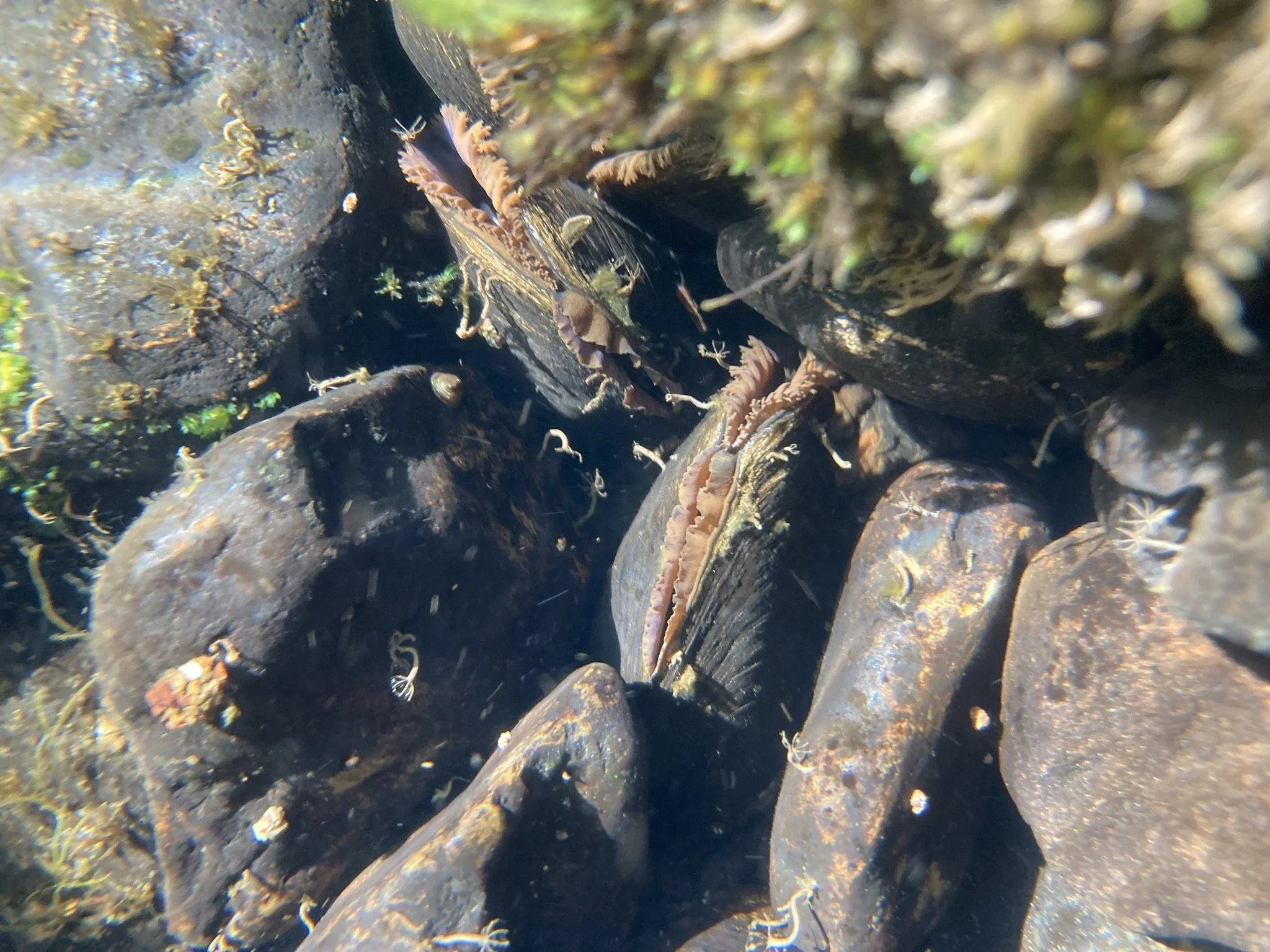
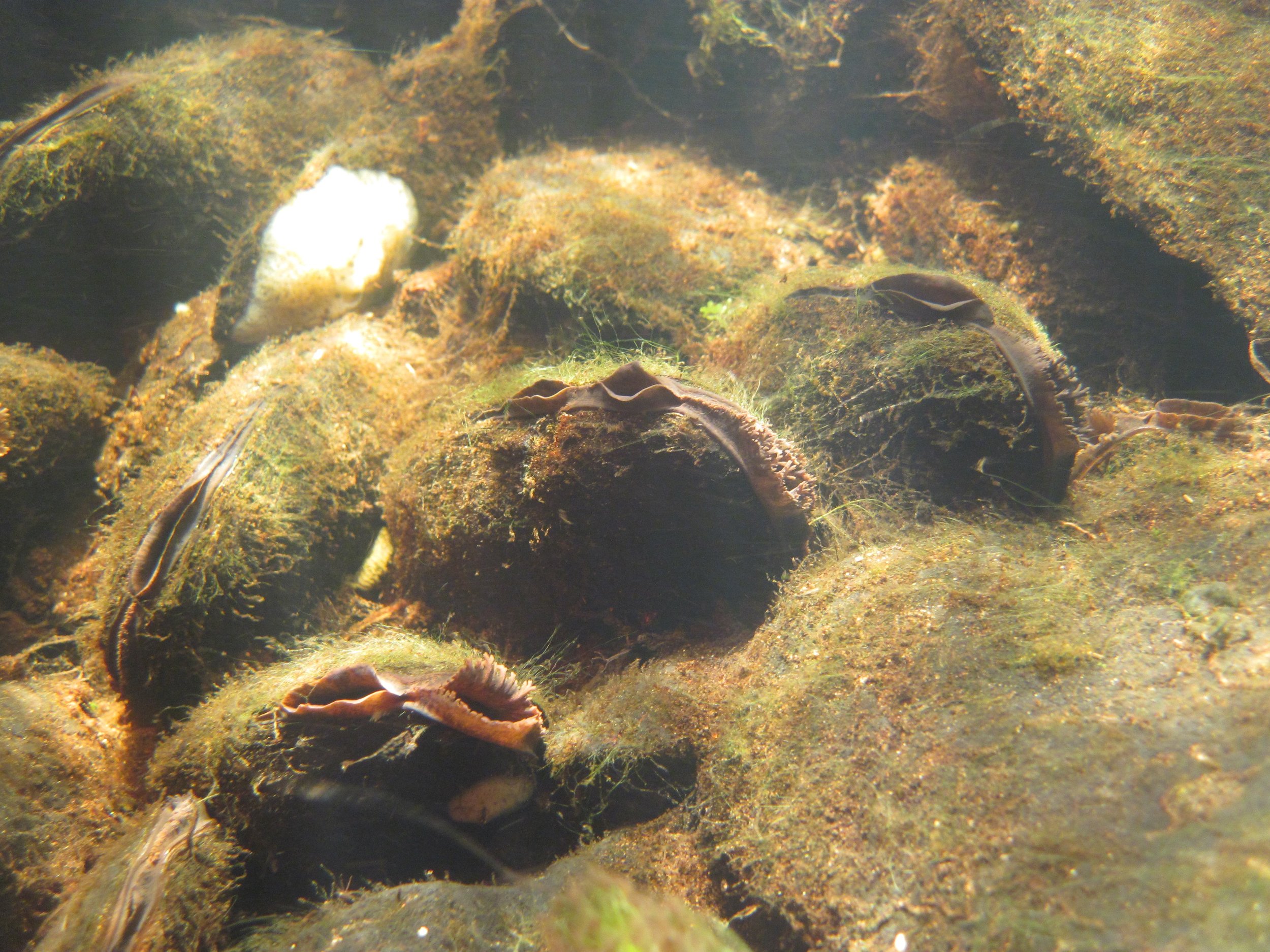
Freshwater pearl mussels filter feeding in their freshwater habitats.
Last year was another impressive year of action-focused science at the FBA Ark... in your new role as Species Recovery Manager do you have any specific ambitions for the FBA's species recovery programme?
The programme already has an impressive track record, so my first goal is to build on that success.
I'm particularly interested in exploring opportunities to expand our species recovery work to support a broader range of freshwater biodiversity. Pearl mussels will remain a core focus, but there are many other species that could benefit from targeted conservation action – including some that may never win any popularity contests but still play vital roles in freshwater ecosystems.
More broadly, I'd like to continue strengthening the links between science and conservation action. Species recovery works best when it brings together researchers, practitioners, policymakers and local communities, so I'm keen to help develop those partnerships.
Ultimately, success means seeing real improvements for freshwater species and habitats, while generating knowledge that can support conservation efforts far beyond the Lake District.
“Freshwater habitats support extraordinary biodiversity but are facing enormous pressures worldwide. I’d love to see more healthy, connected rivers and lakes, cleaner water, and a greater appreciation of just how important freshwater ecosystems are for both wildlife and people.”
And beyond the FBA Ark do you have any hopes and dreams for freshwater ecosystems in Cumbria, across the UK and even globally?
My hope is that freshwater ecosystems become a bigger part of the conservation conversation.
Freshwater habitats support extraordinary biodiversity but are facing enormous pressures worldwide. I'd love to see more healthy, connected rivers and lakes, cleaner water, and a greater appreciation of just how important freshwater ecosystems are for both wildlife and people.
There's no single solution, but there are plenty of reasons to be optimistic. We know how to restore many freshwater habitats, and we're seeing more people, organisations and communities working together to make that happen.
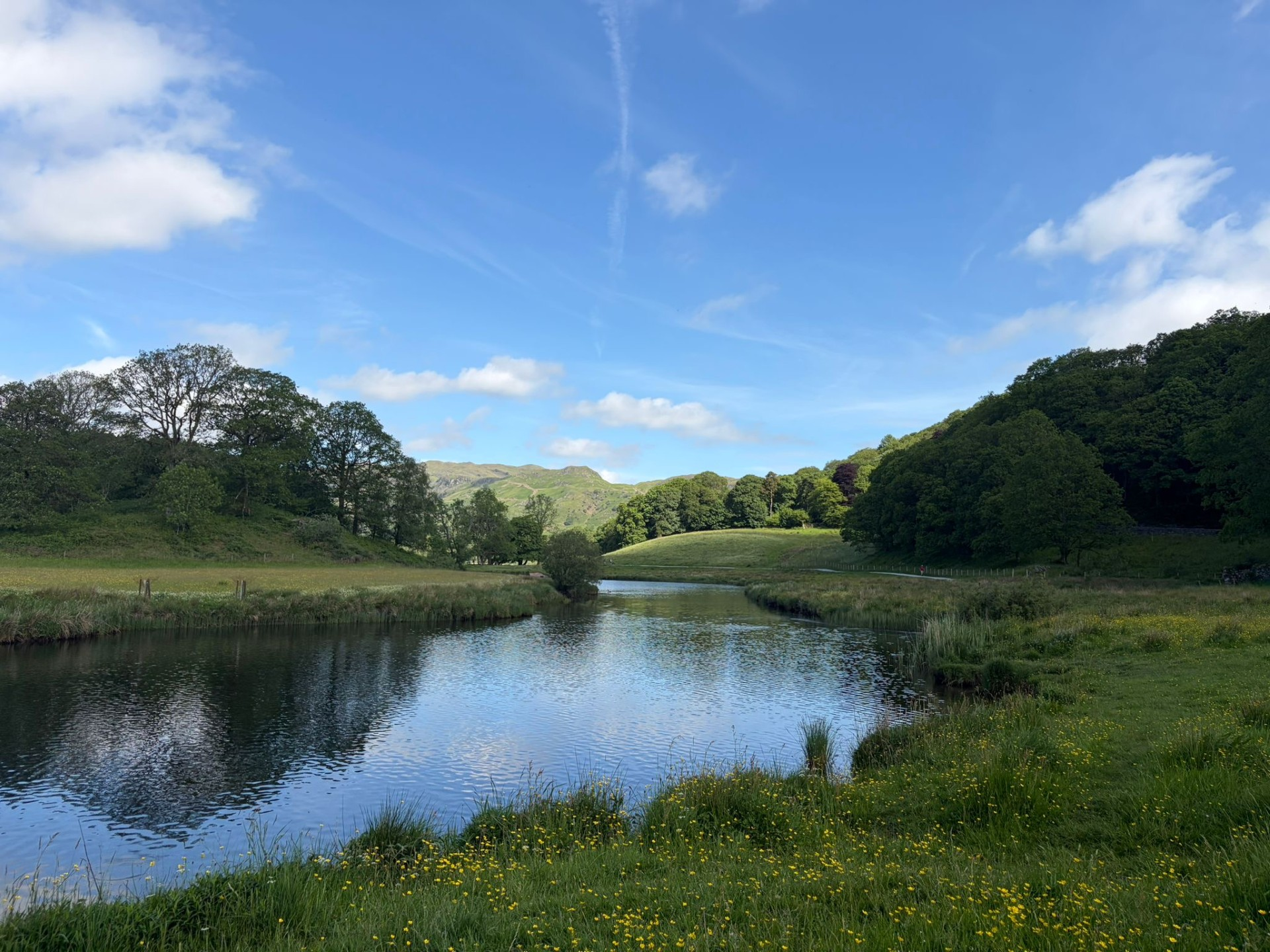
A beautiful Lake District view of a meandering Cumbrian river in early summertime.
Finally we are, as you know, huge fans of freshwater critters so we always like to ask, do you have a favourite?
I feel obliged to challenge the premise of the question. As a botanist, I think plants deserve equal billing with freshwater critters!
If I had to choose a favourite freshwater organism, I'd probably go for Water Lobelia (Lobelia dortmanna). It's one of the characteristic plants of the Lake District's clear-water lakes and tarns and a sign that you're looking at a really special freshwater habitat.
It's not particularly flashy, but I've always had a soft spot for species that quietly go about their business while making ecosystems what they are.
Ask me again in a year's time though! I suspect working at the FBA Ark will introduce me to plenty of new contenders.
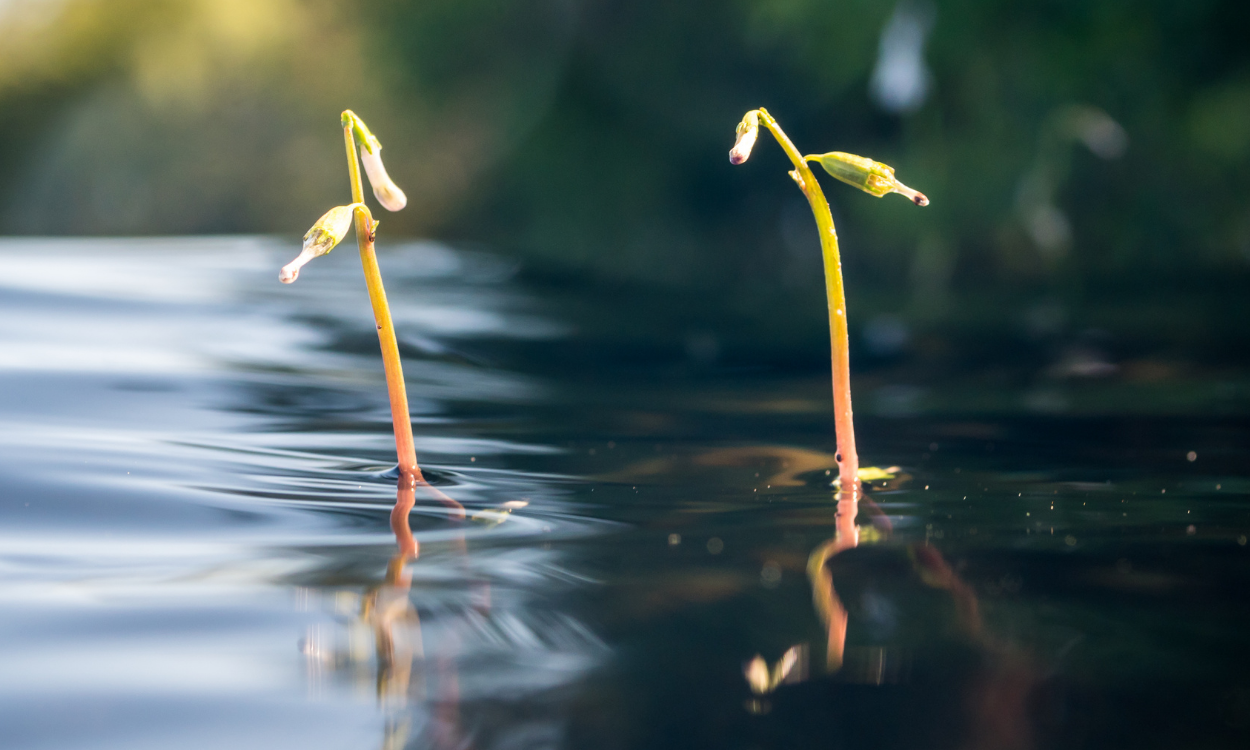
Flowers of Water Lobelia above the water's surface.
Interested in discovering more?
Read: Avoiding extinction: Conservation breeding and population reinforcement of the freshwater pearl mussel, 20 May, 2024 By Louise Lavictoire & Chris West.
Find out more about FBA's Freshwater Pearl Mussel Ark.
Explore the FBA's Freshwater Pearl Mussel species recovery programme success in Our impact 2024 – 2025 at a glance.
Established in 2007, the Freshwater Pearl Mussel Recovery project is an ongoing partnership project between the Environment Agency, Natural England and the Freshwater Biological Association.