
8 June, 2026
The Bank of England are designing the next series of banknotes celebrating UK wildlife, and the public are invited to share their preferences in an online consultation.
Working with a panel of wildlife experts from across the UK, they have produced a shortlist of animals, native to the UK, that could be used as the central image on the £5, £10, £20 and £50 notes. One of the experts involved in this exciting process is FBA Fellow Steve Ormerod, a professor in the School of Biosciences at Cardiff University, specialising in freshwater ecology.
The shortlist has been grouped into three categories, which cover a variety of species and environments. The Bank of England is now keen to hear your views, to inform the final decision on the new designs. So which wonderful wildlife do you think should feature on the next series of UK banknotes? You can share your choices until 3 July, on the Bank of England website.
Here we had the great pleasure of catching up with Steve for a Q & A to find out more about the shortlist for the new banknotes showcasing UK wildlife.
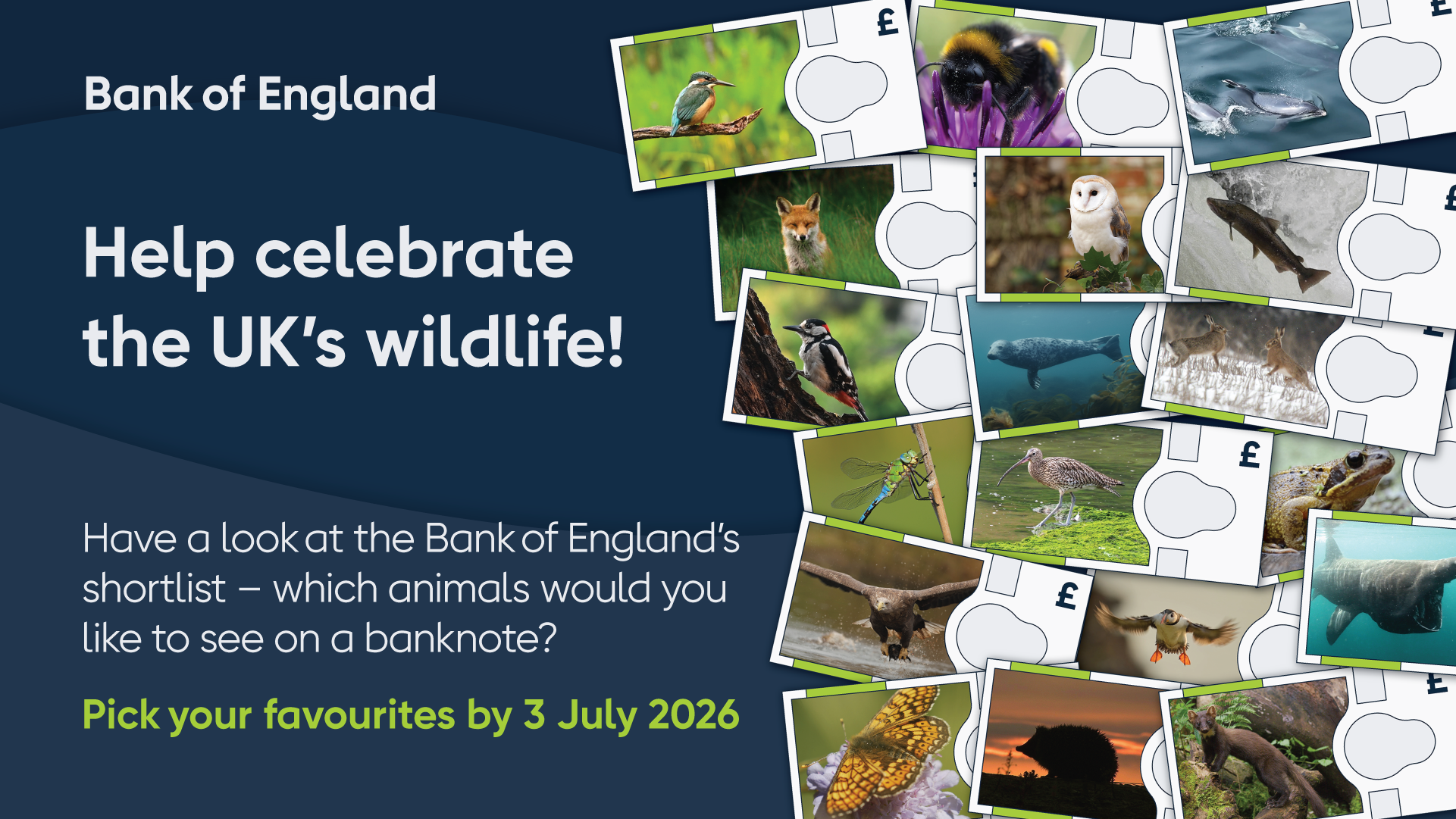
The public can select up to two animals from each of the three categories in the online consultation running until 3 July.
Which native wildlife wins your vote?
The FBA was over the moon to hear that you were one of the experts working with the Bank of England to create a shortlist for the new bank notes celebrating UK wildlife... could you tell us a little about how this all came about?
It was completely out of the blue. Back in January, a mail popped into my in-box with a letter from Andrew Bailey, Governor of the Bank of England, headed 'Invitation to join a panel to help design the next generation of banknotes'.
Once I realised it wasn't a hoax, I responded almost immediately. What an incredibly joyous task.
It turned out that the diverse panel of six represented different expertise from all four countries of the UK – Katy Bell, Gordon Buchanan, Miranda Krestovnikoff, Nadeem Perera, Dawn Scott and me – bringing Wales, freshwater insight and links with several environmental organisations.
The Bank probably knew that I'd done similar jobs before – for example helping the Royal Mail in developing two series of special stamps on 'River Wildlife' in 2023 and 'Ducks' in 2025.
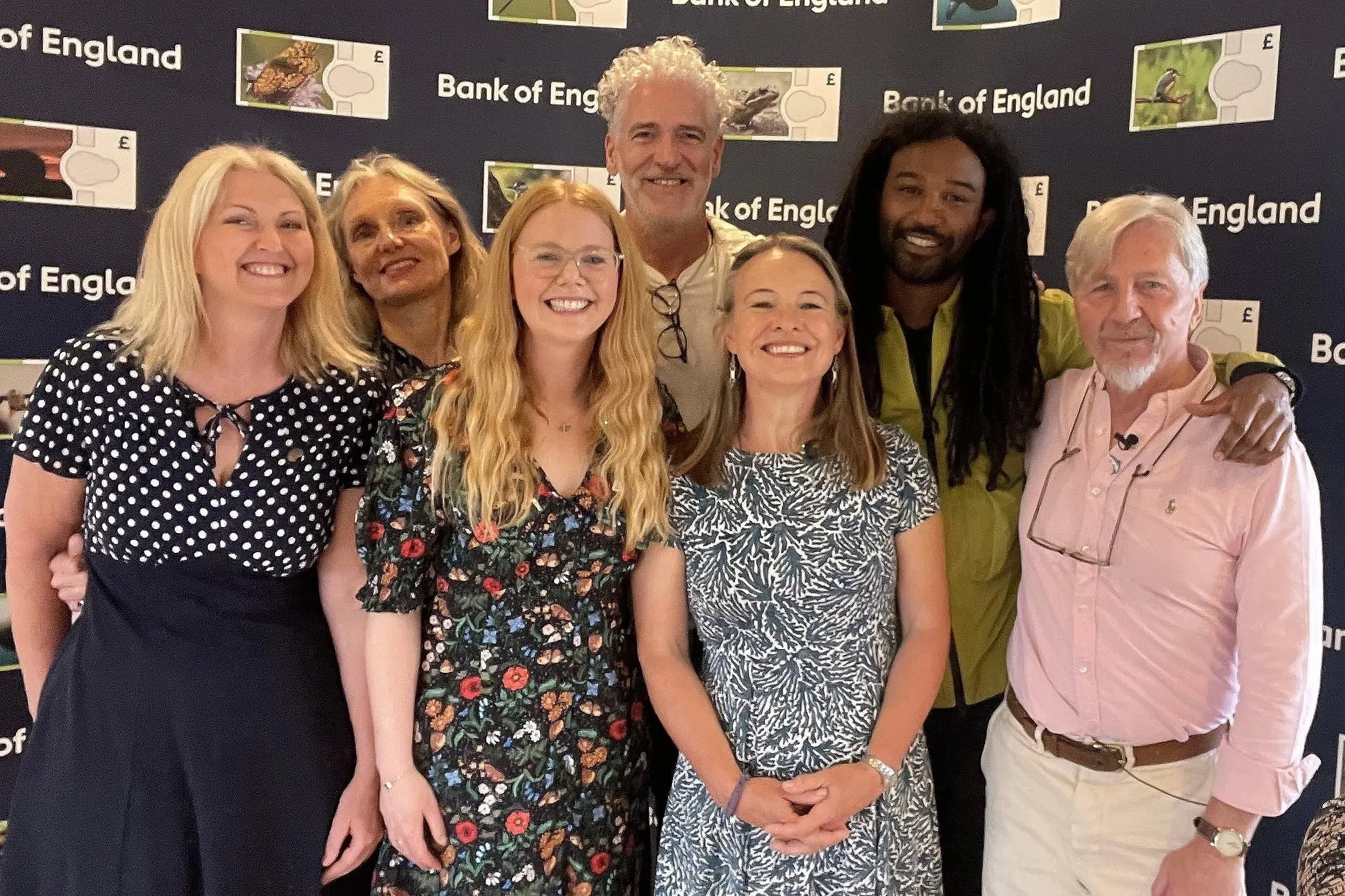
The Bank of England panel of wildlife experts (photo by Sarah Fowler at WWT). Left to right: Dawn Scott, Nottingham Trent University; Victoria Cleland, Bank of England Chief Cashier; Katy Bell, Ulster Wildlife; Gordon Buchanan MBE, wildlife filmmaker; Miranda Krestovnikoff, wildlife presenter; Nadeem Perera, wildlife presenter; and Steve Ormerod, Cardiff University.
On the shortlist... are there any particular criteria for the final selection? We can imagine there must have been some lively debate!
The challenges were interesting: somehow we had to represent the different animal groups, the diversity of terrestrial, marine and freshwater ecosystems, and also find species that were present on all, or nearly all, the four UK countries. We had the opportunity to tell conservation stories – for example the precipitous decline of Atlantic salmon or curlew, or of the recovery and reintroduction of pine marten. Yet we had to find species with which people were familiar: foxes, kingfishers or bumblebees. People with limited wildlife knowledge would have to be able to distinguish, for example – 'the bee note', 'the hedgehog note', 'the dragonfly note', 'the bird note'. Distinct movement patterns were important, too, which will be used in anti-counterfeit measures.
Certainly there were energetic exchanges among the panel – but also some distinct commonalities: in the end, I think the distinctness and charisma of the shortlisted species is pretty clear.
Shortlist of animal groups for the UK wildlife banknotes
-
Bottlenose dolphin
Brown hare
European hedgehog
Grey seal
Pine marten
Red fox
-
Atlantic puffin
Barn owl
Common kingfisher
Eurasian curlew
Great spotted woodpecker
White-tailed eagle
-
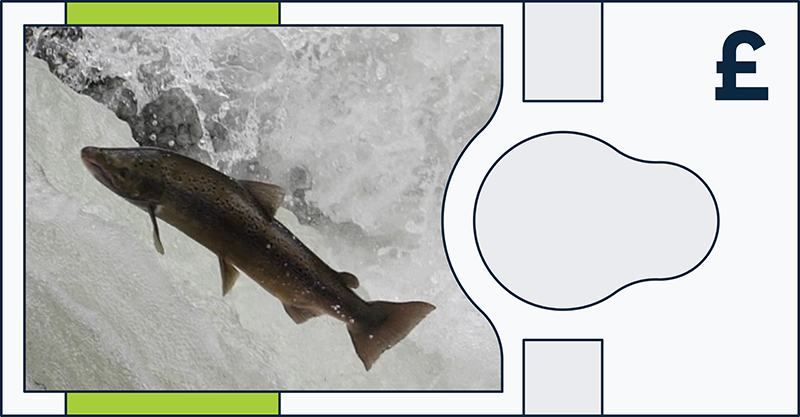
Atlantic salmon
Basking shark
Buff-tailed bumblebee
Common frog
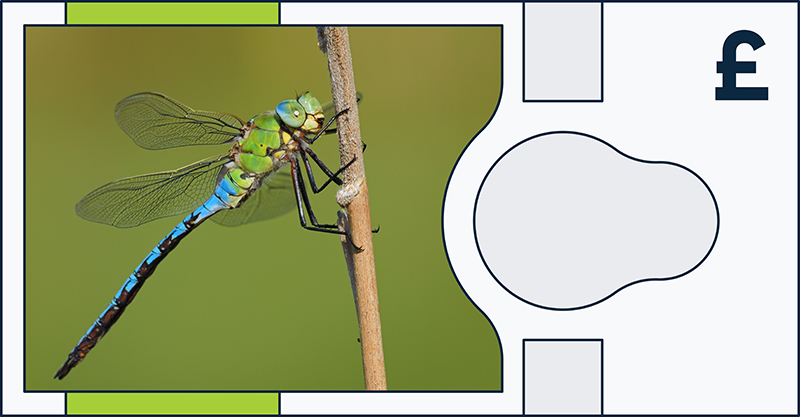
Emperor dragonfly
Marsh fritillary butterfly
It is absolutely thrilling to see some freshwater species listed... was it tricky to get those fine and very worthy candidates included?
Once we'd agreed to represent different environments, there was absolutely no disagreement that animals from rivers, standing waters and wetlands had to figure alongside the other realms. The freshwater candidates are also diverse and charismatic in their own right: birds, fishes, amphibians, invertebrates. Each of the species comes with a remarkable story of conservation or evolution that it would be lovely to tell through appearance of our national currency – that's if they get a big enough vote.
Check out the shortlist of 18 amazing animals!
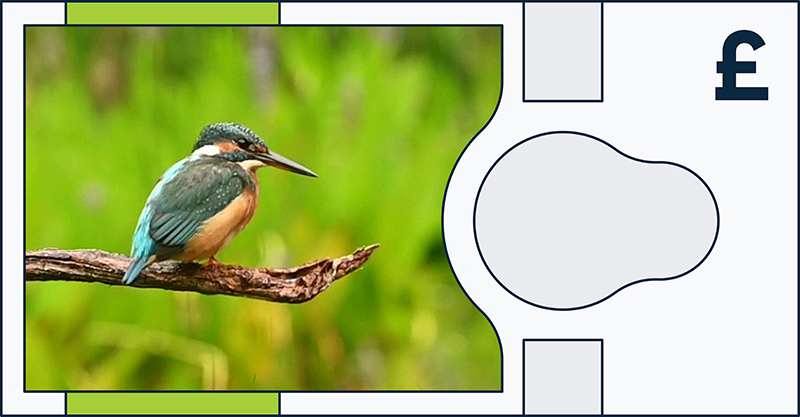
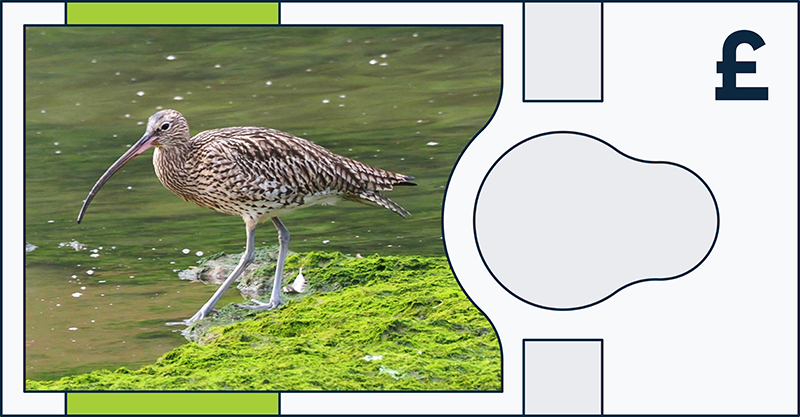
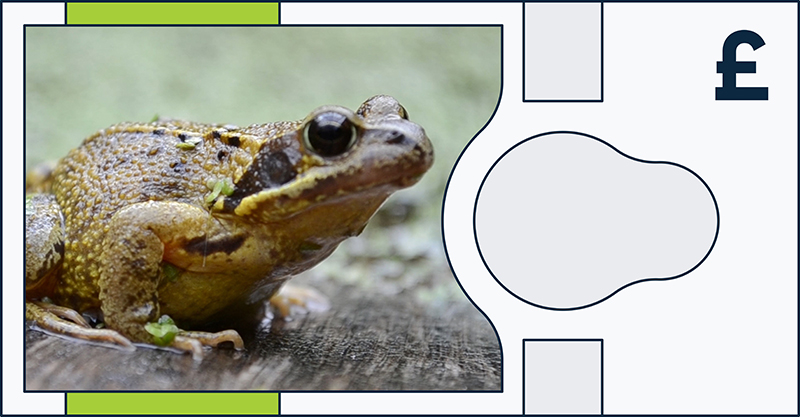
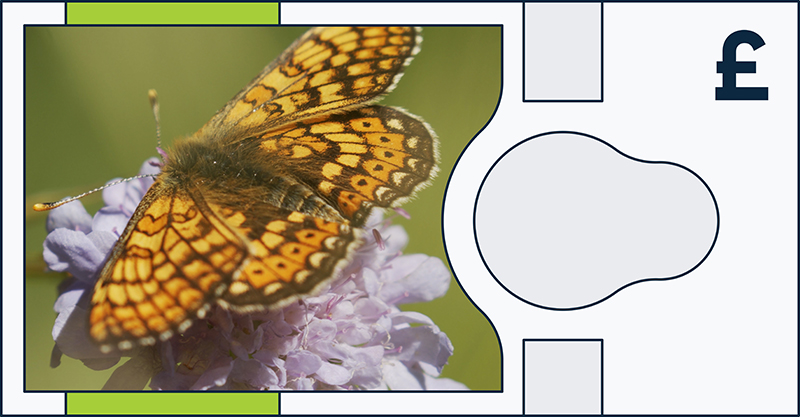
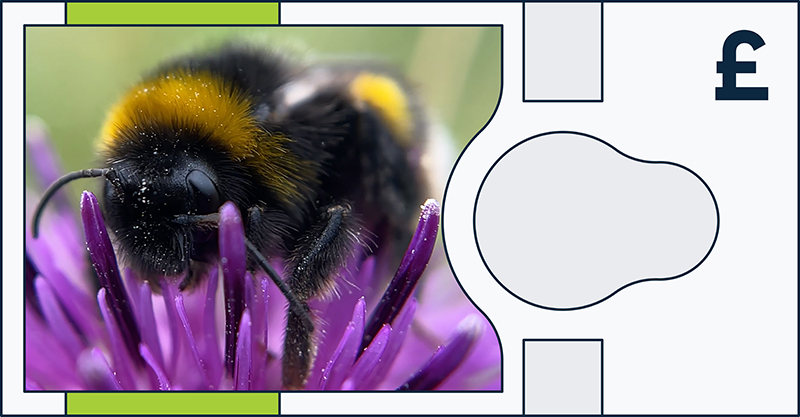
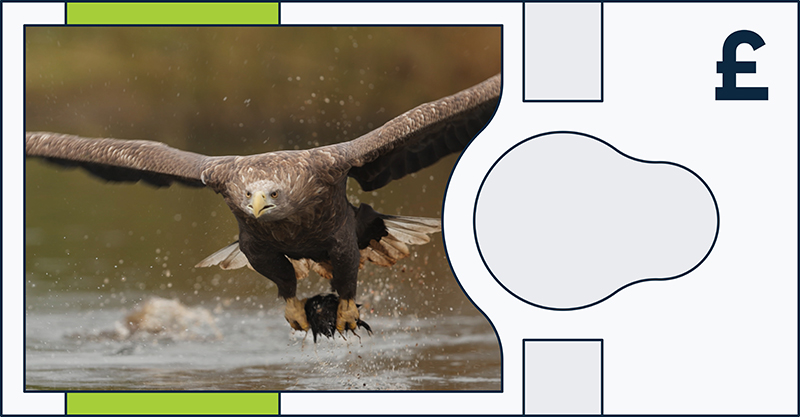
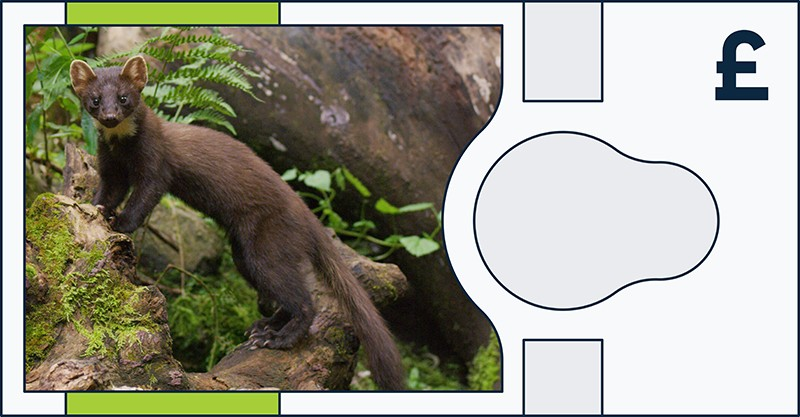
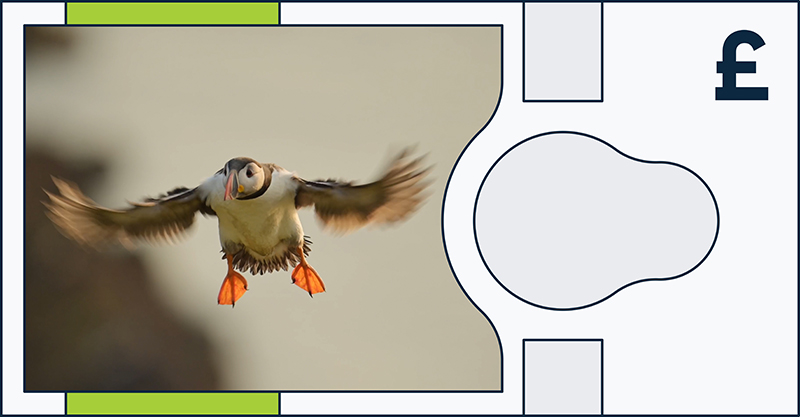
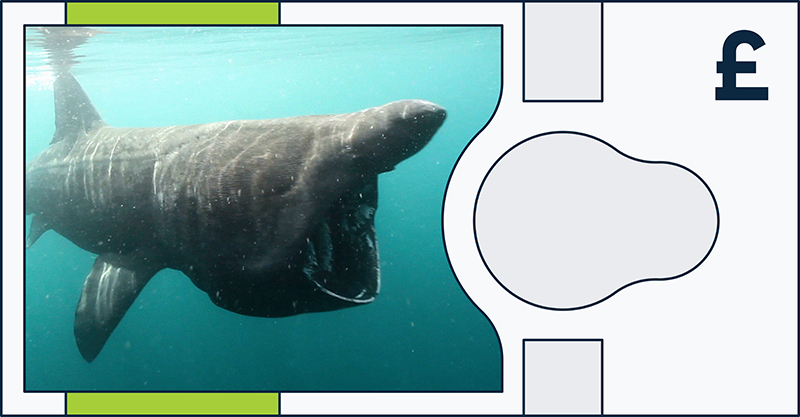
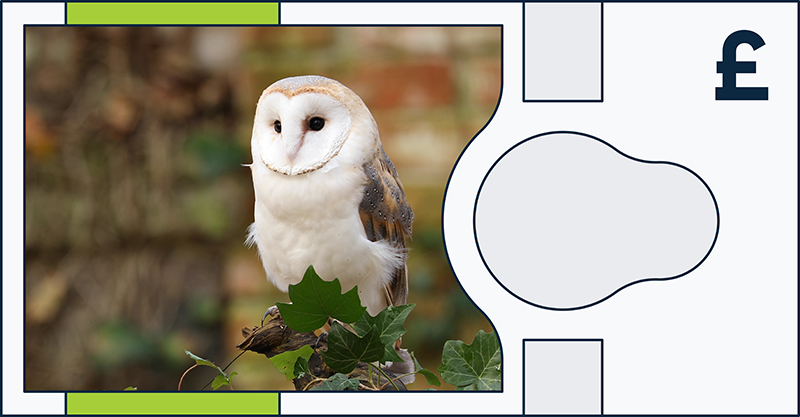
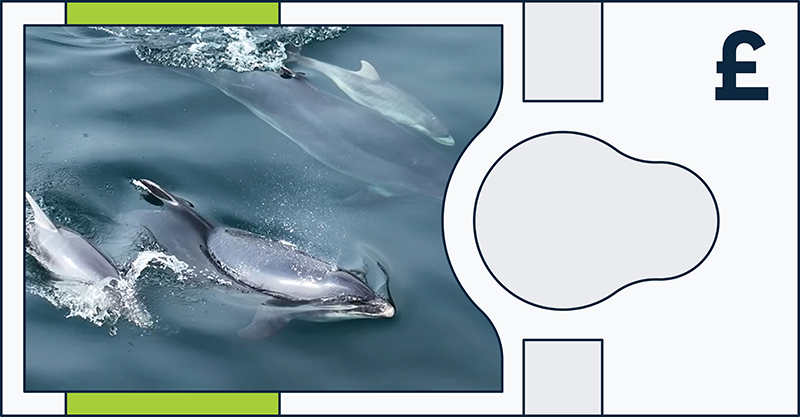
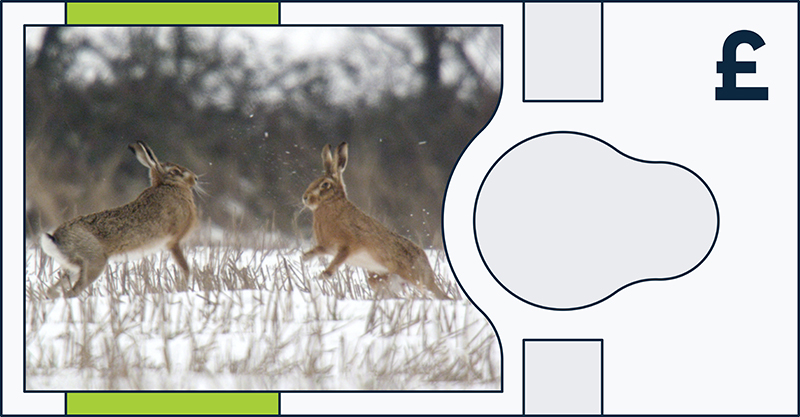
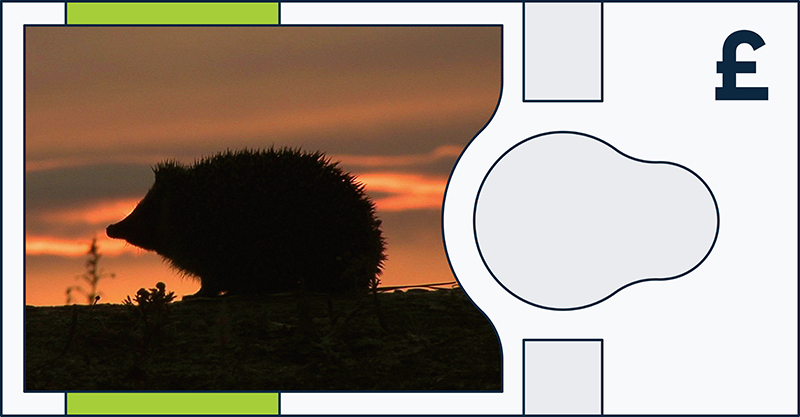
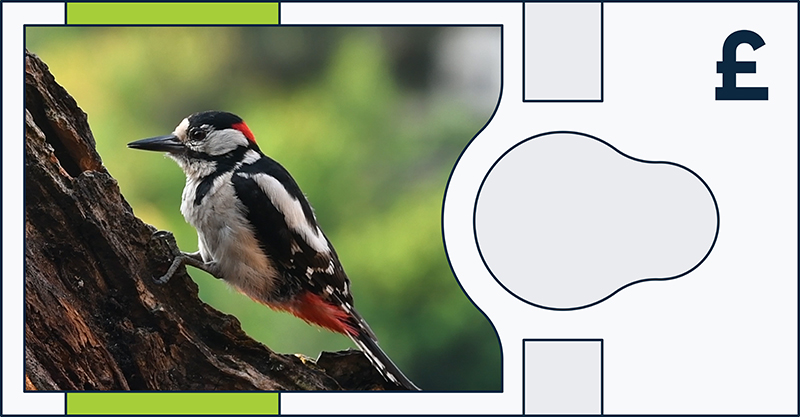
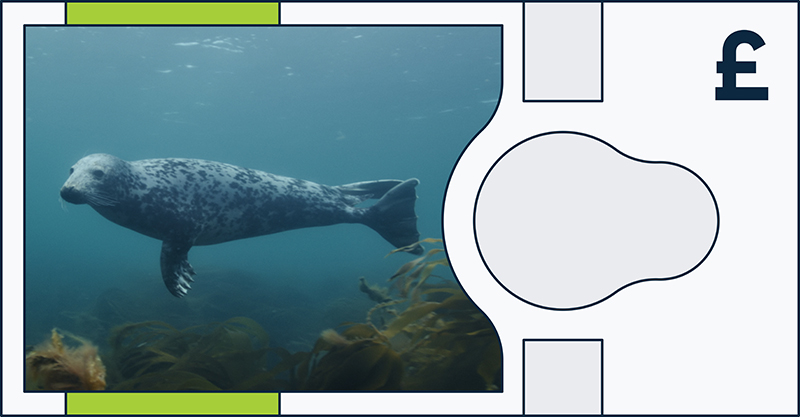
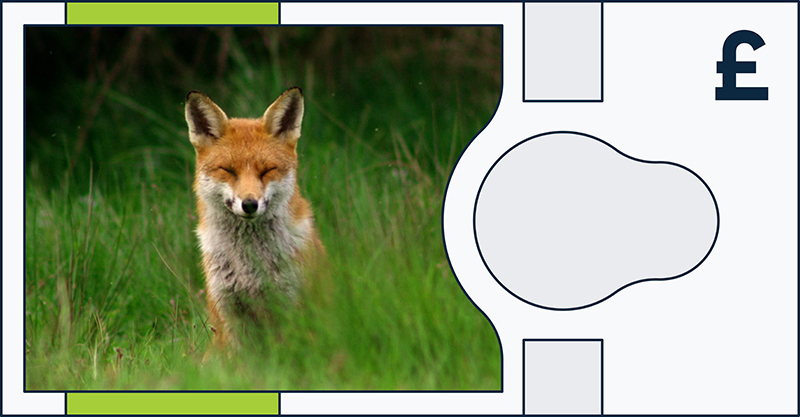
“There are many compelling reasons to draw attention to the plight and importance of freshwater ecosystems from the local to the global: their disproportionate importance to global biodiversity coupled with the most rapid population reductions across all ecosystems.”
As a freshwater ecologist what would be your most persuasive reasoning for people to select the freshwater wildlife on the shortlist?
There are many compelling reasons to draw attention to the plight and importance of freshwater ecosystems from the local to the global: their disproportionate importance to global biodiversity coupled with the most rapid population reductions across all ecosystems; the extent of loss or impairment, for example through climate change, pollution or habitat modification; their importance to adjacent ecosystems through the energy or nutrients they supply; their importance in global life support – especially in providing, storing and purifying water.
Some the Bank of England's candidate species epitomise these facets through the stories they tell: take the Atlantic salmon whose life cycle is a thing of great beauty, yet is at risk from climatic change, pollution, barriers to migration and mortality at sea.
Imagine what a catalyst their appearance on a new bank note could be for species restoration and recovery.
“Wildlife inspires us, intrigues us and often moves us emotionally: we become more human when we interact with nature. A lot of it is innate, and reflects our evolutionary connections with the living world that we’ve always depended upon – and continue to depend upon for our mental and physical well-being.”
A Bank of England consultation led to wildlife being chosen as the theme for the new banknotes... do you have any thoughts on why native UK wildlife is such an important theme for people?
Wildlife inspires us, intrigues us and often moves us emotionally: we become more human when we interact with nature. A lot of it is innate, and reflects our evolutionary connections with the living world that we've always depended upon – and continue to depend upon for our mental and physical well-being. Some of it is in our cultural history: nature is a significant and symbolic theme, for example, through British and Irish literature from John Clare, W. B. Yeats and Gerard Manley Hopkins to Ted Hughes or Simon Armitage. And then there is the towering leadership from David Attenborough who has raised our collective awareness.
It's interesting that freshwater wildlife inspires the same sentiments in us even if it isn't always visible above the water surface: we feel better when we know our freshwater ecosystems are in good condition.
And through pure curiosity we have to ask... what are your choices?
All 18 species, obviously ;)
To celebrate your involvement in the Bank of England shortlist process we ran our own mini freshwater species for UK banknotes survey earlier in the year, the choices were water flea, freshwater pearl mussel, Arctic charr and mayfly. The majestic mayfly was the deserved winner!
Are there any other freshwater species that you would have liked to see featured in the shortlist?
Anyone who knows me might have a few ideas, but our final choices were unanimous.

Many thanks Steve! We’re looking forward to hearing the results later in the year!
Steve Ormerod is a Professor in the School of Biosciences at Cardiff University, specialising in freshwater ecology. Steve holds a PhD in river ecology from Cardiff and recently ended terms as deputy chairman of Natural Resources Wales and as member of the UK Joint Nature Conservation Committee.
Worthy winners announced!
On 8 October 2026 the Bank of England announced the four animals that will feature on their next series of banknotes.
The decision comes after nearly 500,000 people responded to the public consultation earlier in the year, on which native wildlife they would like to see on the new collection of banknotes.
The barn owl (Tyto alba), buff-tailed bumblebee (Bombus terrestris) and European hedgehog (Erinaceus europaeus) were the most popular animals in their respective categories. The Atlantic puffin (Fratercula arctica) was selected because it was the most popular marine animal.
Find out more on the Bank of England’s website.
Interested in discovering more?
Find out more and nominate your wildlife preference on the Bank of England website: https://www.bankofengland.co.uk/banknotes/help-us-design-our-next-series-of-banknotes