
Arctic Charr Symposium 2025 highlights urgency for conservation action
25 November, 2025
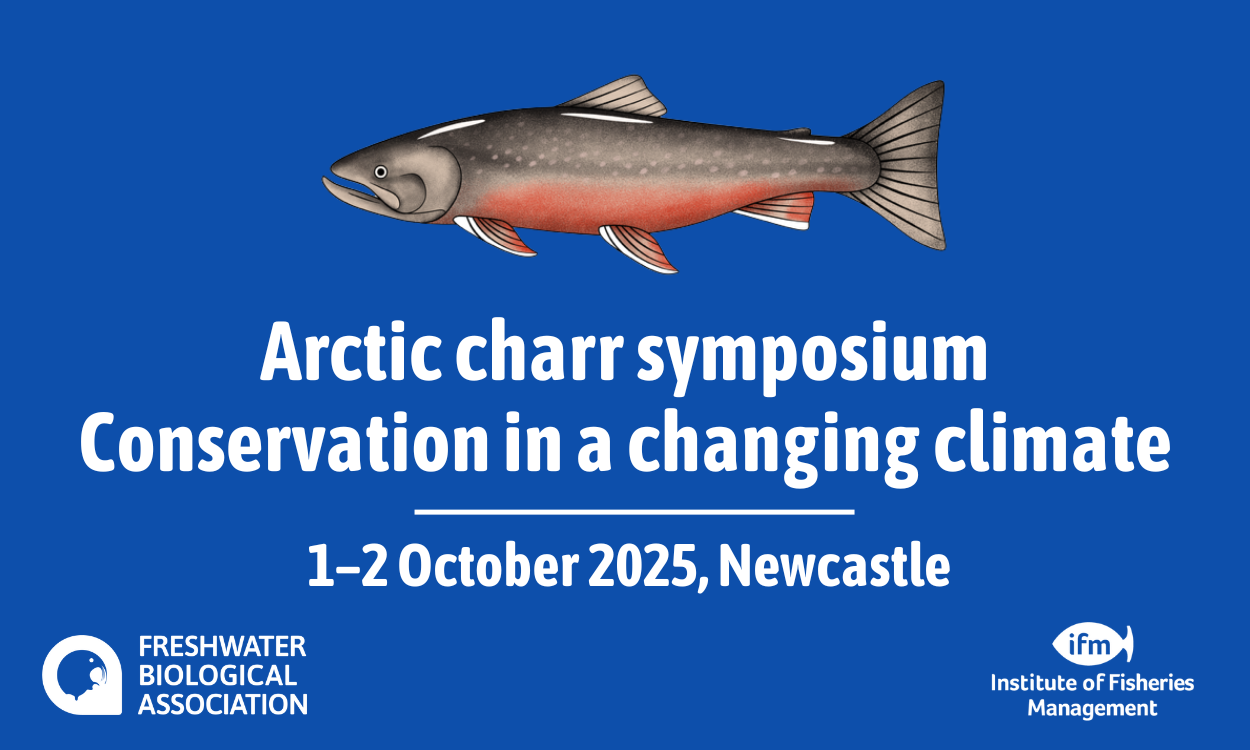
The Freshwater Biological Association (FBA), together with the Institute of Fisheries Management and supported by the Environment Agency, convened the Arctic Charr Symposium in Newcastle on 1–2 October 2025.
The event brought together freshwater scientists, conservation practitioners and local stakeholders to examine the current status of Arctic charr (Salvelinus alpinus) in the UK and to identify priority research and conservation actions. Much of the discussion focused on how the Lake District Charr Recovery and Management project (LD-CHARM) project can help deliver an integrated strategy for protecting charr populations in the Lake District.
Status of UK Arctic charr populations
Arctic charr are found in over 300 UK waterbodies, yet only a small fraction benefit from formal protection. Many populations are understudied, and delegates highlighted significant gaps in long-term data, particularly around abundance trends, recruitment, and genetic diversity. Windermere remains the best-studied site and supports distinct spring and autumn spawning groups, but the extent of their genetic differentiation, and the implications for management, remains uncertain.
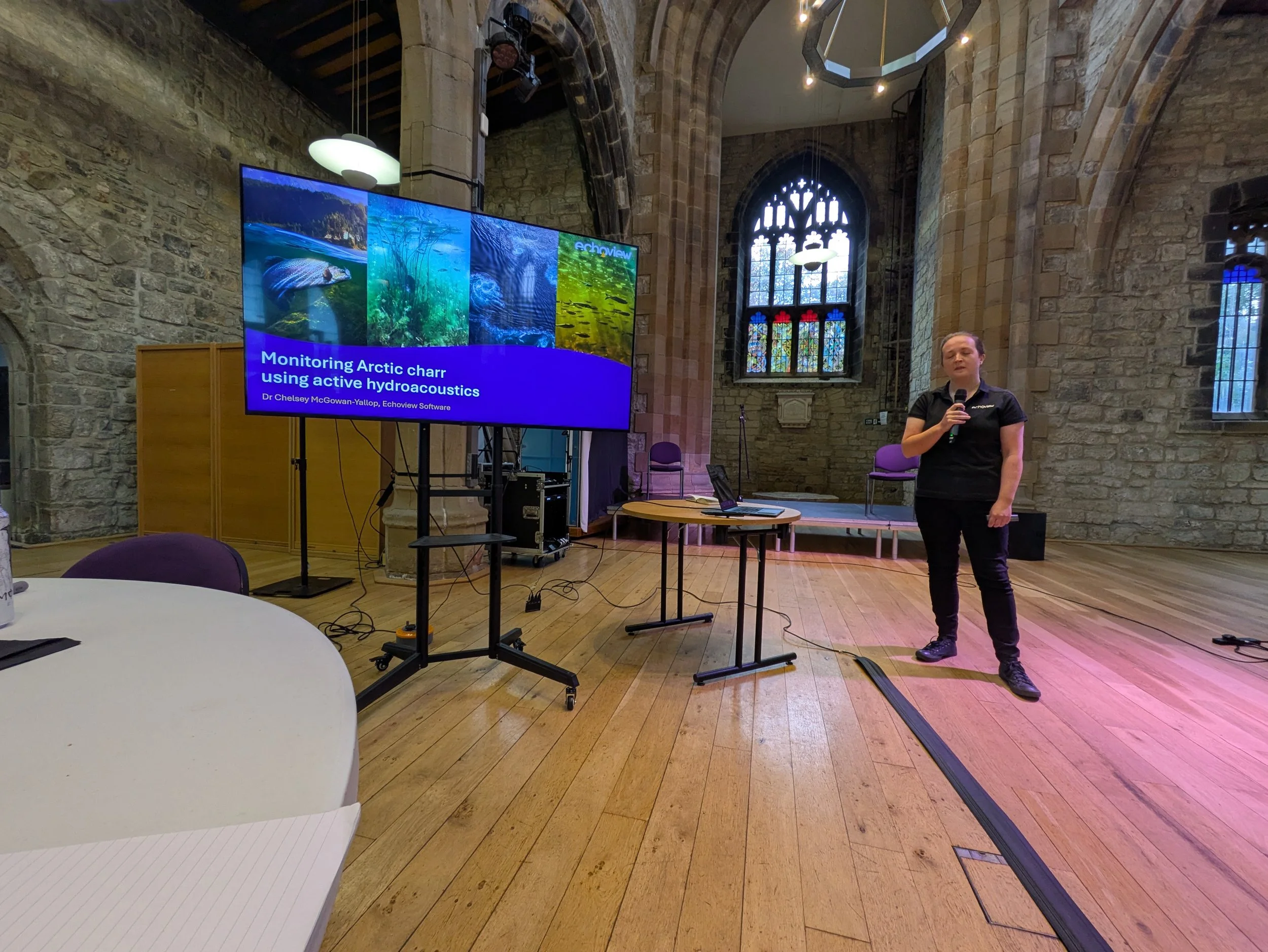
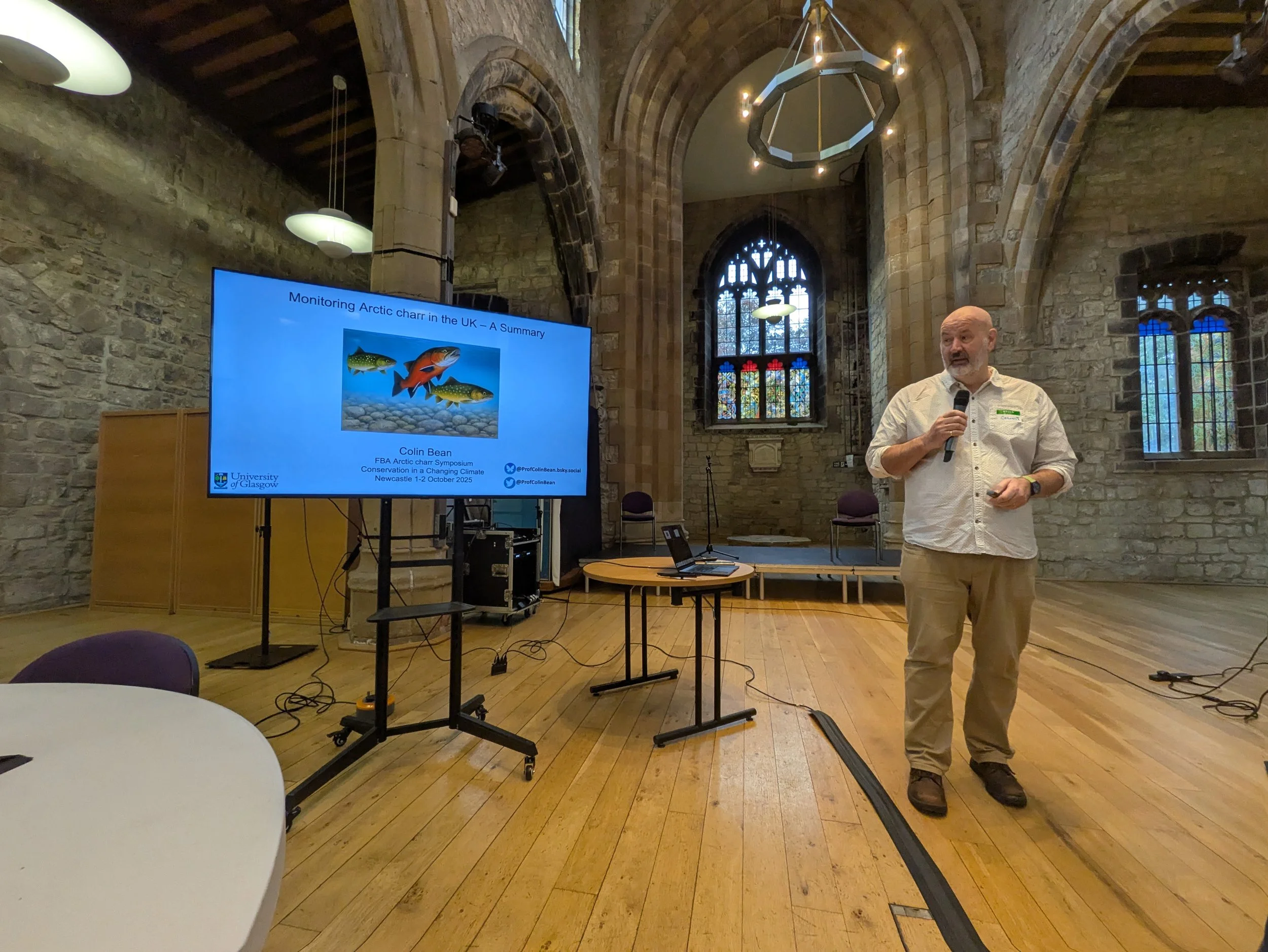
Speakers at the Arctic Charr Symposium, in Newcastle, October 2025.
Pressures and causes of decline
A series of presentations showed that Arctic charr face multiple, interacting pressures. Climate change is one of the most significant threats, with rising water temperatures reducing the survival of eggs and early life stages. Nutrient enrichment and siltation continue to degrade spawning gravels and lower oxygen levels. Predation from other fish, including invasive species, can affect recruitment in some lakes. Hydrological change, including flow modification linked to hydroelectric dam operations, was highlighted as a further stressor influencing spawning success.
The issue of cultural decline was emphasised. Historically important charr fisheries have diminished, reducing public awareness of the species and weakening community advocacy for its protection. Reversing this decline in cultural connection was seen as central to long-term conservation success.
Genetics, population structure and adaptation
Discussions covered the importance of conserving the distinct genetic identities of charr populations. Even geographically close lakes can host genetically and ecologically distinct stocks, each with differing levels of resilience to environmental change. Historic stocking, particularly in Windermere and Coniston, may have contributed to genetic mixing, complicating conservation planning. Delegates agreed that future interventions must be underpinned by genetic evidence to avoid maladaptive stock mixing and to protect the evolutionary potential of local populations. Epigenetic and environmentally driven morphological differences were also considered important when evaluating population distinctiveness.
Case studies: Lessons from across the UK
Several case studies illustrated both the challenges and opportunities for Arctic charr conservation.
Llyn Padarn (Wales) experienced a population crash linked to algal blooms and hydro operations, triggering an extensive recovery programme that included captive breeding, habitat restoration and improved wastewater treatment. Although numbers have increased, issues such as deep-water oxygen depletion and low natural egg survival persist.
In Scottish lochs, including Loch Esk, delegates noted that delayed responses to population declines can result in irreversible losses. However, translocations can be successful when carefully planned, genetically informed and coupled with long-term monitoring.
Ennerdale (Cumbria) provided an encouraging example of catchment-scale restoration. Work including reforestation, livestock management and channel re-naturalisation has improved habitat and water quality. Although the pressures differ from those in Windermere, Ennerdale demonstrates the importance of integrated landscape management for long-term recovery.
“This symposium was a fantastic way to share knowledge and the experiences from a wide range of researchers, practitioners and enthusiasts, and we’re incredibly grateful to the Environment Agency for funding the symposium, and to Natural England who support the LD-CHARM project through their Species Recovery Programme. The symposium highlighted how vulnerable some populations of Arctic charr are and so time is of the essence for collaborative working to diagnose pressures and implement solutions, before we lose more populations.”
Advances in monitoring and research techniques
The symposium showcased a suite of monitoring tools that can help address data gaps. eDNA surveys – supported by a decade of data – provide rapid, non-invasive detection of charr presence. Hydroacoustics is proving useful for estimating abundance and mapping juvenile distribution, while bioacoustics and ROVs offer valuable insights into spawning behaviour and habitat conditions. Traditional methods such as gill netting remain essential for assessing population structure but require consistent, repeated sampling.
Participants agreed that the current six-year monitoring cycle is inadequate given the pace of environmental change. An integrated, multi-method and more frequent monitoring strategy was widely supported.
Cultural and social dimensions
The decline in cultural connections with Arctic charr emerged as a major concern. Storytelling, art, heritage activities and community involvement were highlighted as effective tools to rebuild local engagement. A “PR campaign for charr” was suggested to raise the species’ profile and reinforce the importance of Arctic charr as an indicator of lake health.
Watch: CHARR - the Lake District Fish
The Arctic Charr Symposium had the pleasure of previewing a beautiful new film by Dave George about the Lake District Arctic charr.
Read more about the inspiration and motivation for the film, which explores the threats facing Arctic charr and their cultural importance in England, Scotland, Ireland and Wales.
Knowledge gaps and priority actions for LD-CHARM
Key knowledge gaps identified included the need for updated assessments of all Lake District populations, improved mapping of spawning habitats, clearer understanding of genetic relationships between spawning groups, and better evidence on early life-stage survival. Delegates also called for a centralised, accessible data system.
Immediate LD-CHARM priorities include centralising existing datasets, mapping Windermere spawning grounds using ROV, hydroacoustics and eDNA, and initiating public engagement. Longer-term aims include producing a Lake District Arctic Charr Conservation Plan, developing a habitat restoration roadmap, and embedding charr recovery within wider landscape projects and water company investment plans.
“What really struck me over the two days was the passion in the room. The symposium brought together people from across the UK to share new evidence, debate ideas and identify practical ways to better understand and protect Arctic charr. The conversations were open, honest and collaborative, showing just how valuable this kind of knowledge sharing event is. By coming together, we were able to build a much clearer picture of the challenges charr face and the actions needed to support their recovery.”
Conclusions
The symposium reinforced the urgent need for well-funded, coordinated conservation to halt further declines in Arctic charr populations. Stronger data sharing, improved monitoring and holistic catchment management will be essential. With its focus on integrating science, conservation practice and cultural engagement, the LD-CHARM project is well placed to drive the next phase of Arctic charr recovery in the Lake District.
Interested in discovering more?
Find out more about the LD-CHARM species recovery project.
Read the full interview with Dave George – Introducing CHARR: A new film by Dave George celebrating the Lake District fish.