Introducing CHARR: A new film by Dave George celebrating the Lake District fish
18 November, 2025
Arctic charr are of global ecological importance and Windermere charr populations have been studied since the 1940s, but their cultural significance in the Lake District dates back hundreds of years.
The FBA has a long and compassionate freshwater science relationship with Arctic charr. Working with partners, we have now embarked on a research and species recovery programme that will endeavour to save, stabilise and increase populations of this iconic fish.
We're thrilled to present a new film by Dave George about the Lake District Arctic charr. We had the enormous pleasure of catching up with Dave to find out about his inspiration and motivation for the film, which explores the threats facing Arctic charr and their cultural importance in England, Scotland, Ireland and Wales.
Why are Arctic charr so special to you?
I grew up in Windermere and my father Dr Glen George worked for FBA at ferry house, so the lakes and freshwater biology were very much part of my upbringing. Despite my connection to both the local area and the freshwater biology of the lake, it wasn’t until later life that I became aware of the charr. The narrator and de facto subject of the film is Harvey Lord, who has been my closest friend for some 30 years since our days at the Lakes School in Troutbeck. As highlighted in the film he has been charr fishing from a very early age with occasional trips out in later life.
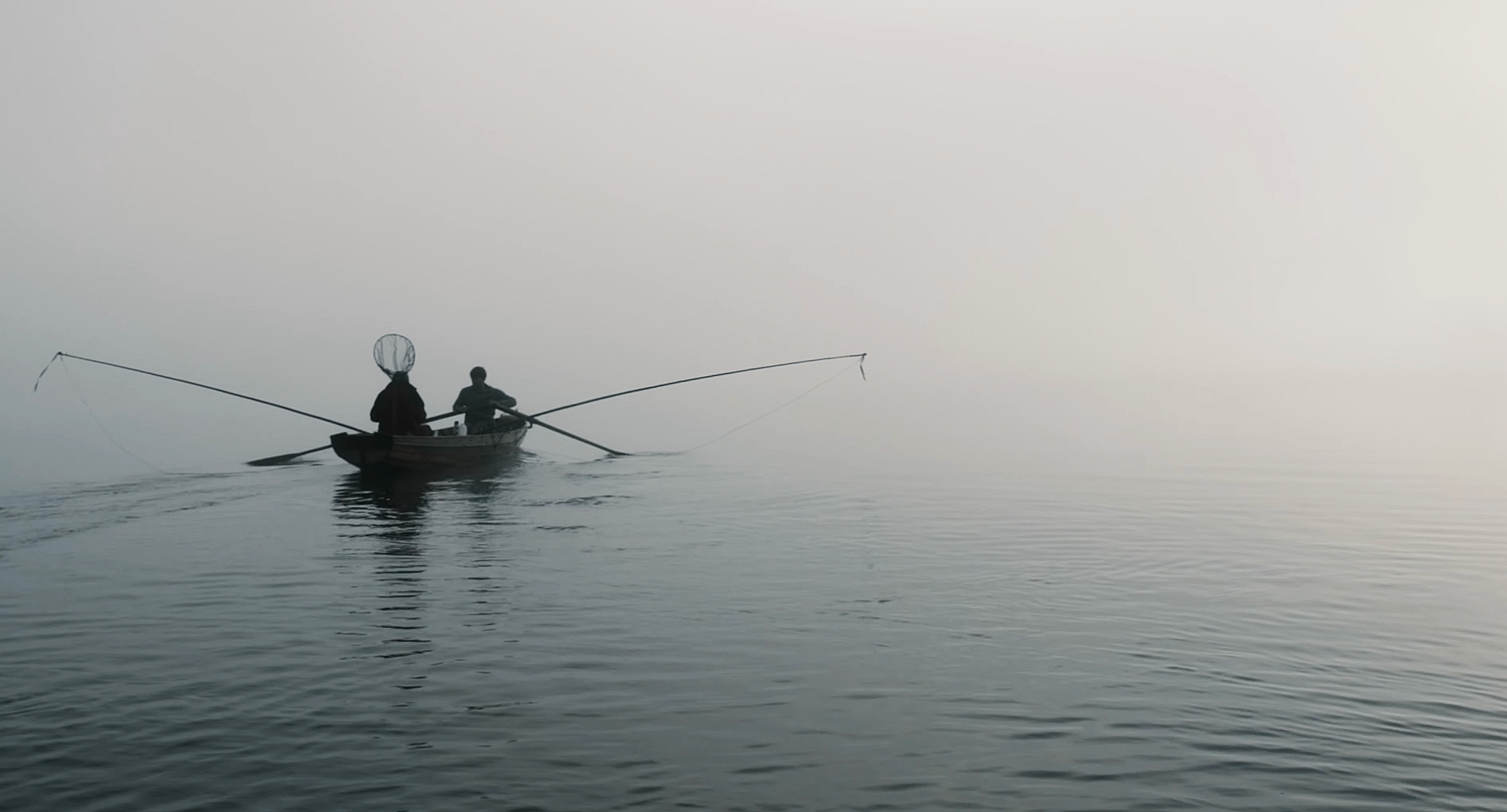
It wasn’t really until his father Barrie sadly passed away that his passion for charr fishing really took hold, sourcing his own boat and initially using the master crafted baits his Dad had made. I have been lucky enough to accompany him on many early mornings on Windermere since then. There is something magical about the stillness of the lake in those early hours before noise and clamour of the town begins. It is a uniquely magical and timeless experience virtually unchanged for hundreds of years and I feel very fortunate to be part of what may be the last embers of a rich local tradition.

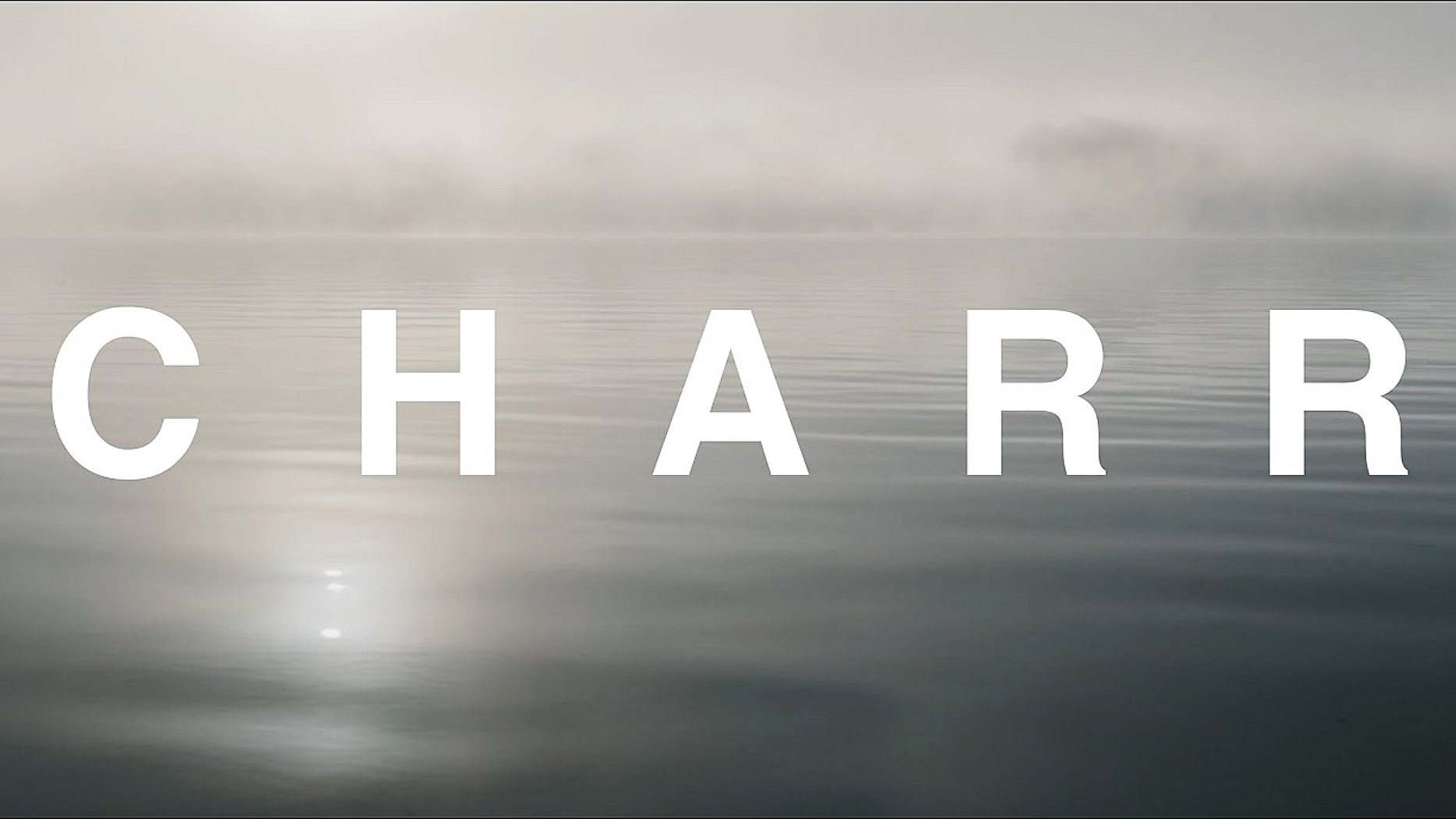
CHARR is beautifully shot over four locations in Scotland, Ireland, Wales and Windermere in Cumbria, please could you share some of your motivations for filming in these specific spots?
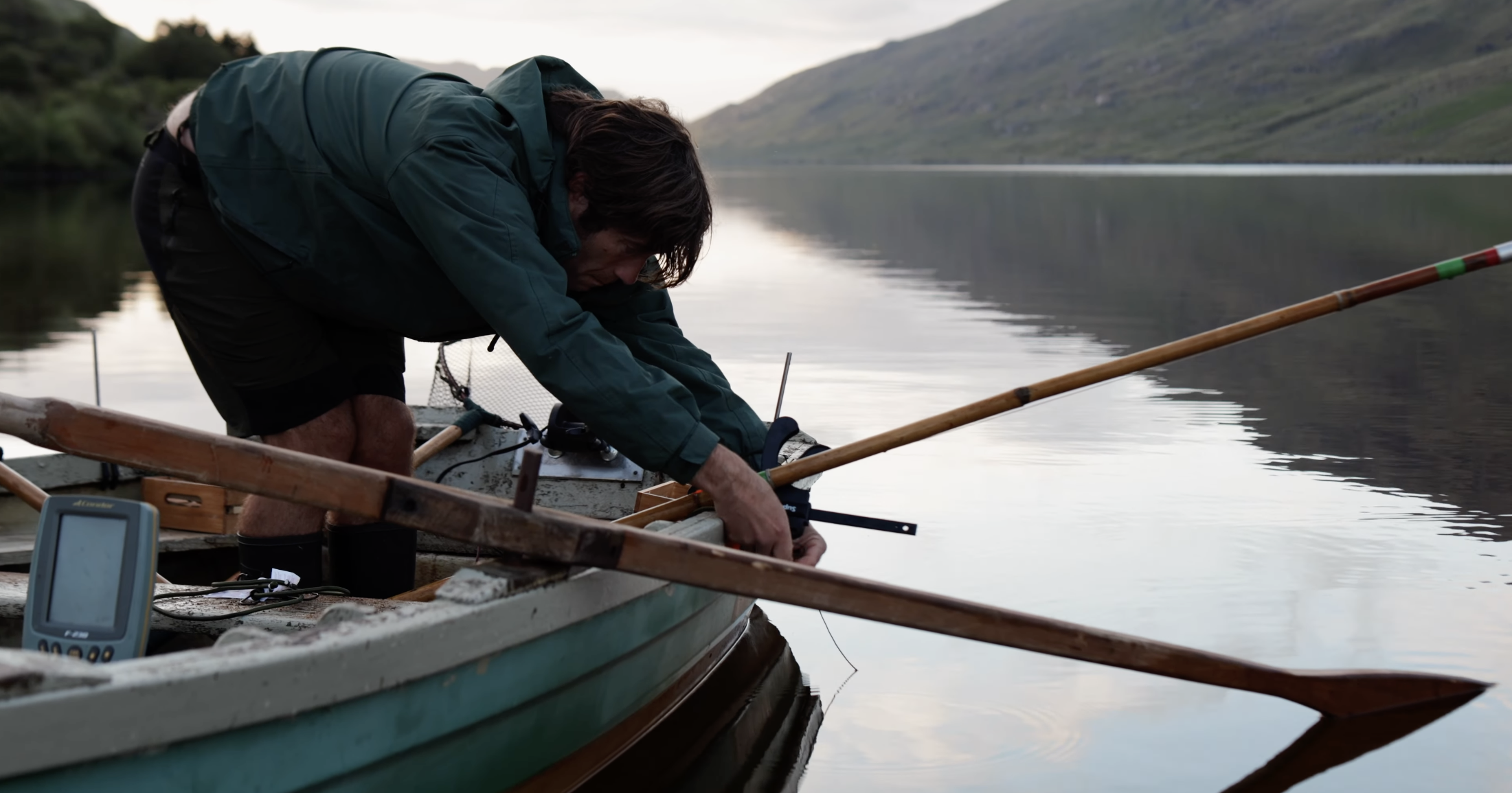
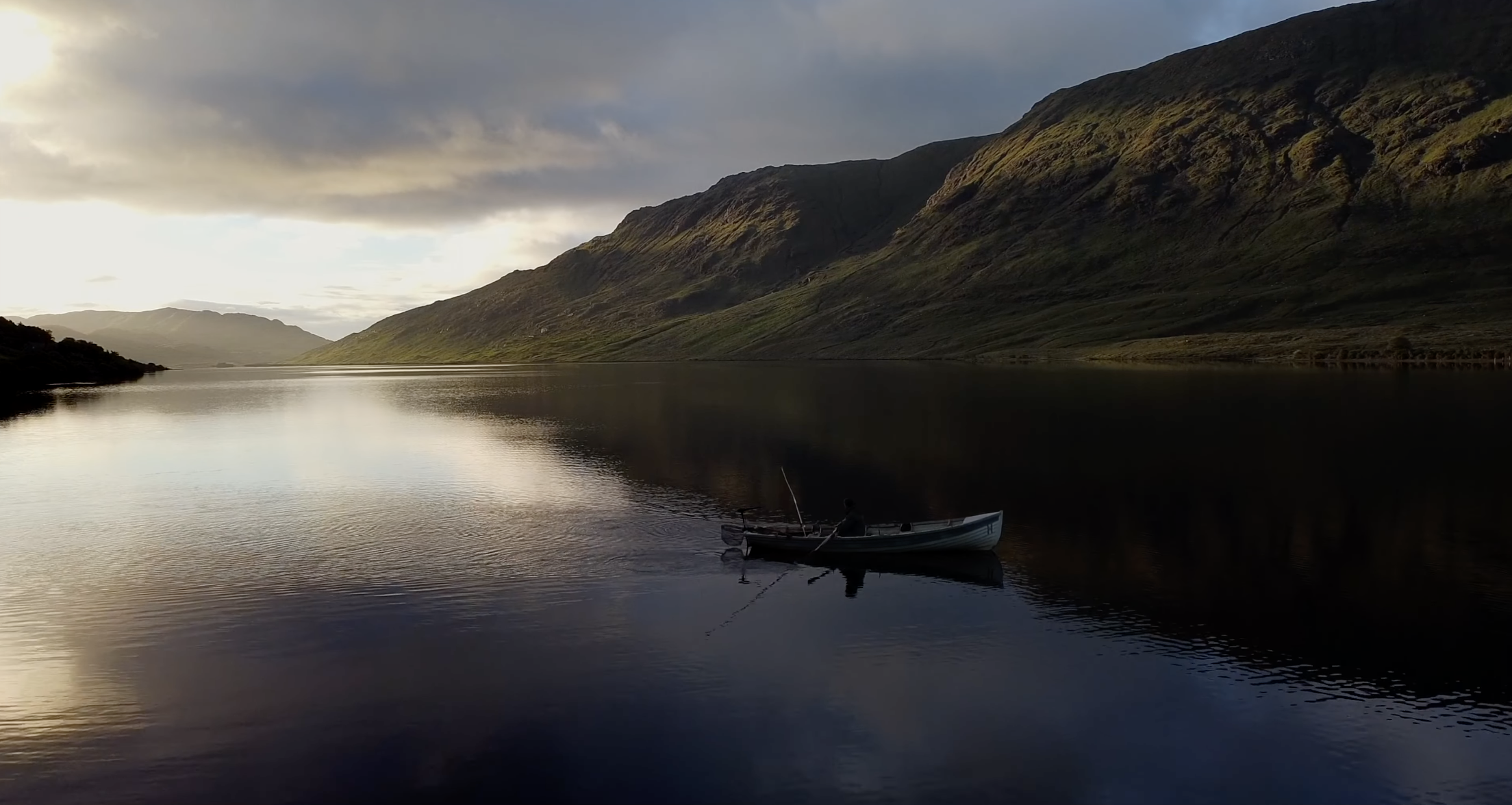
As with most aspects of this film every decision was made as a team. Harvey devised and secured locations and I took care of the logistics of film making. We decided that to give the greatest breadth of subject, we would have to venture into other countries which contained charr; being an unfunded passion project we limited our scope to the United Kingdom and Ireland; the latter being combined with a wonderful holiday in order to get the most from the trip.
The film features many ardent fans of Arctic charr... how did these interviews come about?
Again this is where I have to give maximum credit to Harvey. As a fully fledged “charr fanatic” with an interest in both the scientific and angling aspects of the fish he found himself making connections in wider and wider fields. As it is such a little known fish to the general population the connections between the charr community are strong. It really makes them prick up their ears when someone with a similar knowledge and passion gets in touch.
We were very fortunate that so many people offered their time to be part of the filming, it is a testament to the fish itself that they all had so much to say. Also worth mentioning are the unsung heroes that allowed us to gain access to these fantastic freshwater bodies via their boats, as transporting Harvey's wooden charr boat would have been incredibly difficult if not impossible in the case of Ireland.
Do you have any favourite moments you'd be happy to share about the film making experience?
It’s not so much a moment but the entire experience of visiting Ireland. I had visited the Republic of Ireland a few times the past, but this was the first time visiting the Connemara region. It is such a fantastically untouched area of Ireland and, despite the forecasts, we were blessed with some fantastically dramatic and beautiful weather; the sunrise featured in the film was a particular highlight. After a few days fishing and meeting Luke Drea my wife and I continued along the wild Atlantic way in our camper van and had an unforgettable trip.
And CHARR is super cinematic, what filming kit and techniques did you use?
As the start of this project was at a point when my career as a videographer was very much at the embryonic stage. Initially I was working as a largely part-time commercial and event videographer, in addition to working as a wedding photographer. Pretty much all of the revenue from these endeavours went towards building up and upgrading my equipment.
Most of the footage was captured by my trusty Canon R6 and DJI mini drone. Given that the R6 was my livelihood at the time I took a cheaper camera on board the boat just in case of aquatic mishaps. Having now upgraded all aspects of my gear there is always a part of me that would love to shoot even more, but the essential thing is the subject itself, and I am happy with how that was captured.
What are your hopes and dreams for future populations of Arctic charr and conservation of freshwater ecosystems?
As these fish are on the edge of their environmental limit it is a very worrying time for their survival in Cumbria. It is encouraging to see how a successful charr rearing programme was carried out in Wales, with very encouraging signs of population recovery.
When starting this project we always intended contacting the FBA to see if anyone would be able to say a few words about the charr in Windermere, making reference to any previous studies or initiatives. Unbeknownst to us, we found by happy coincidence that the FBA had begun their LD-CHARM (Lake District - Charr Recovery and Management) project, almost in tandem with the inception of our film. It is fantastic to see a project like this happening locally when it is so desperately needed. We will be following the progress of the project with great interest as the utilisation of eDNA and sonar will hopefully expand the understanding of the issues facing Arctic charr.
Whilst it is understandable to have a fatalistic view in the face of all the pressures exerted on the charr I feel this project offers a glimmer of hope that with concerted action this species and culture can be saved. I say culture as I also feel that the unique tradition of Cumbrian charr fishing, which is fundamental to the heritage of the Lake District, is also under threat of extinction. This threat is not only due to the declining numbers of fish but also the lack of heritage preservation and understanding of the practice.
“Unbeknownst to us, we found by happy coincidence that the FBA had begun their LD-CHARM (Lake District - Charr Recovery and Management) project, almost in tandem with the inception of our film. It is fantastic to see a project like this happening locally when it is so desperately needed. We will be following the progress of the project with great interest as the utilisation of eDNA and sonar will hopefully expand the understanding of the issues facing Arctic charr.”
Do you have any plans for any further charr-inspired films?
I would say never say never. I will obviously continue to fish for charr with Harvey for as long as is possible and there will always be breathtaking moments in those early twilight hours on the lake which I would love to capture. I think what would really interest me though is looking further afield to the alpine lakes of France or Norway. To go to these countries and learn about the local traditions of charr fishing and speak to scientists there who I am sure will be seeing similar issues would be fascinating. Although quite the undertaking, it would be a dream to film the Lake District method in these locations.
If people are interested in watching or finding out more about the film, where should they go?
At present we have simply made it available on YouTube if you search for “Charr - the Lake District fish”. This was purely a passion project and other than a very kind donation from the Local Water Authority in Ireland it was complete unfunded, with the driving factor being to raise awareness of the charr. In time hopefully we might find ways of distributing the film further, as the more interested eyes on it the better.
Finally, if you had to pick... where would be your most favourite freshwater location?
Windermere will always have a special place in my heart as it is my hometown. However, if we are talking dream charr locations the one that sprang to mind when answering the previous question was Lac Besson in the French Alps. I visited there during a stunning cloud inversion at sunrise and noticed a few fishermen around the lake. Only when leaving did I read the information sign that listed “L’omble chevalier” as frequenting these lakes with the accompanying illustration of a very brightly coloured charr. Picturing a little charr boat out there would not only be amazing from both a cinematic and scientific point of view but, most significantly, as a Cumbrian fisherman.
Special thanks to…
We would like to thank Luke Drea and Fran Igoe at the Local Water Authority, Simon Johnson and Louise Lavictoire at the FBA, Ron Greer, Ellie Ward, Huw Hughes and Peter Haslem for their invaluable help and involvement in the film. A special thanks goes to Bill Lloyd for writing the fantastic char fishing song for the film in addition to all the incidental music. Dan Haywood for working with Harvey to create the closing cover version of the charr song. There also must be a special thanks to Barrie Lord for introducing both Harvey and, in effect, myself to the tradition of charr fishing.
Interested in discovering more?
For videography and photography services please contact Dave George or visit DaveGeorgePhotography.com.
Find out more about the LD-CHARM species recovery project.