Freshwater pearl mussel knowledge exchange with the species recovery team at Natural Resources Wales
12 November, 2025
In October, FBA staff visited the Cynrig and Clywedog hatcheries operated by Natural Resources Wales (NRW).
At these sites, NRW conducts captive breeding programmes for aquatic species that are critically endangered; these include Arctic charr, white clawed crayfish and water voles. In addition to these projects, Cynrig and Clywedog are the locations of two out of the four breeding programmes for freshwater pearl mussels in the UK. Part of this is funded through the Four Rivers for LIFE project, that shares similar river restoration objectives to the LIFE R4ever Kent project, of which the FBA is a partner organisation.
The trip was an invaluable opportunity for knowledge exchange and cooperation between the FBA and NRW, to continuously learn and improve the success of freshwater pearl mussel propagation in the UK.
More about species recovery activities at the Cynrig and Clywedog hatcheries
The Welsh hatcheries breed from Welsh freshwater pearl mussel populations exclusively. The purpose of their captive breeding is to release juveniles into suitable river habitat that has been identified through in-river surveys and substrate checks, to boost declining wild populations of freshwater pearl mussels with reproductively capable individuals. Both facilities use water from natural sources, that is gravity fed through filters and UV-sterilised before being pumped through the systems containing mussels.
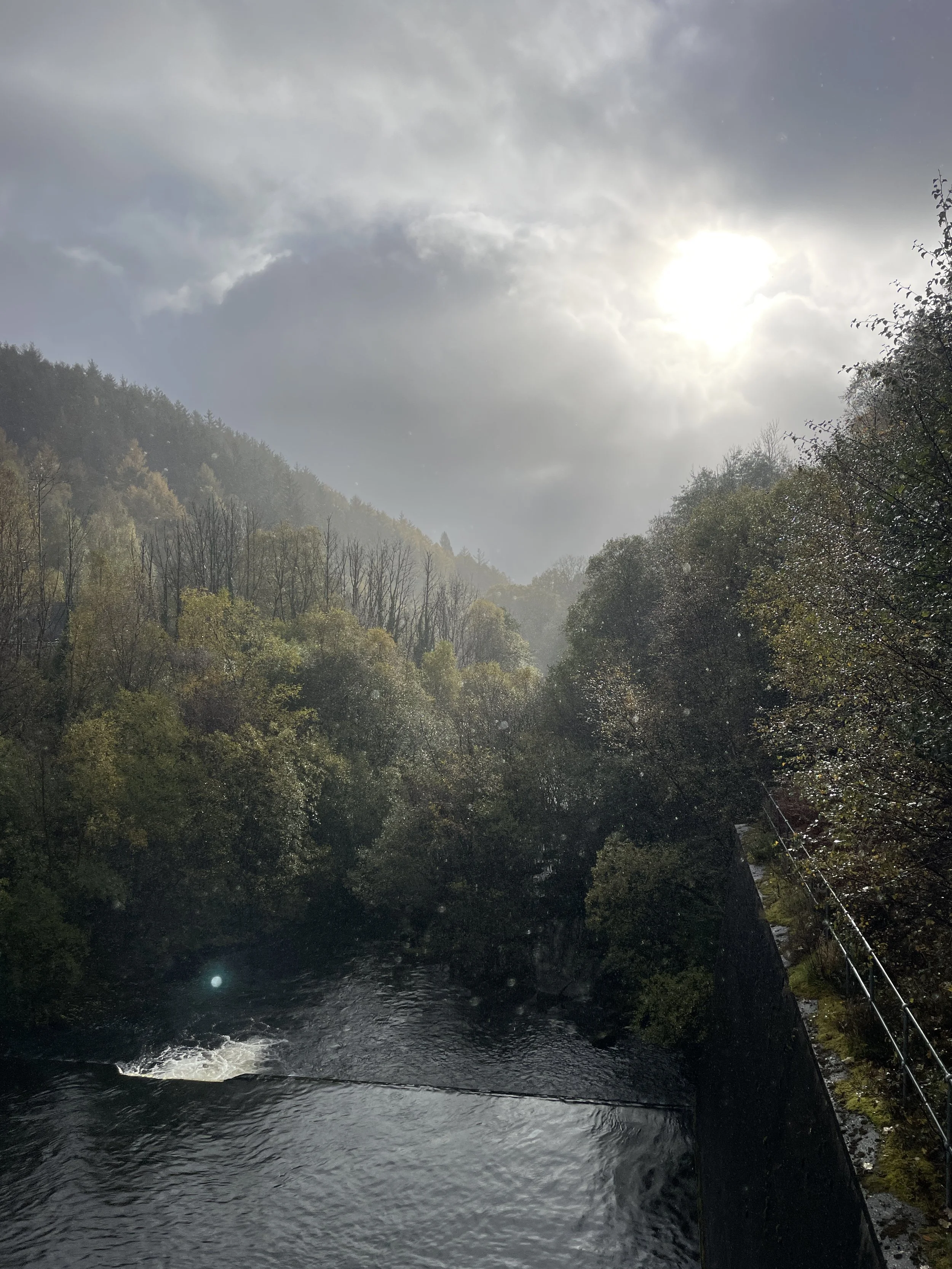
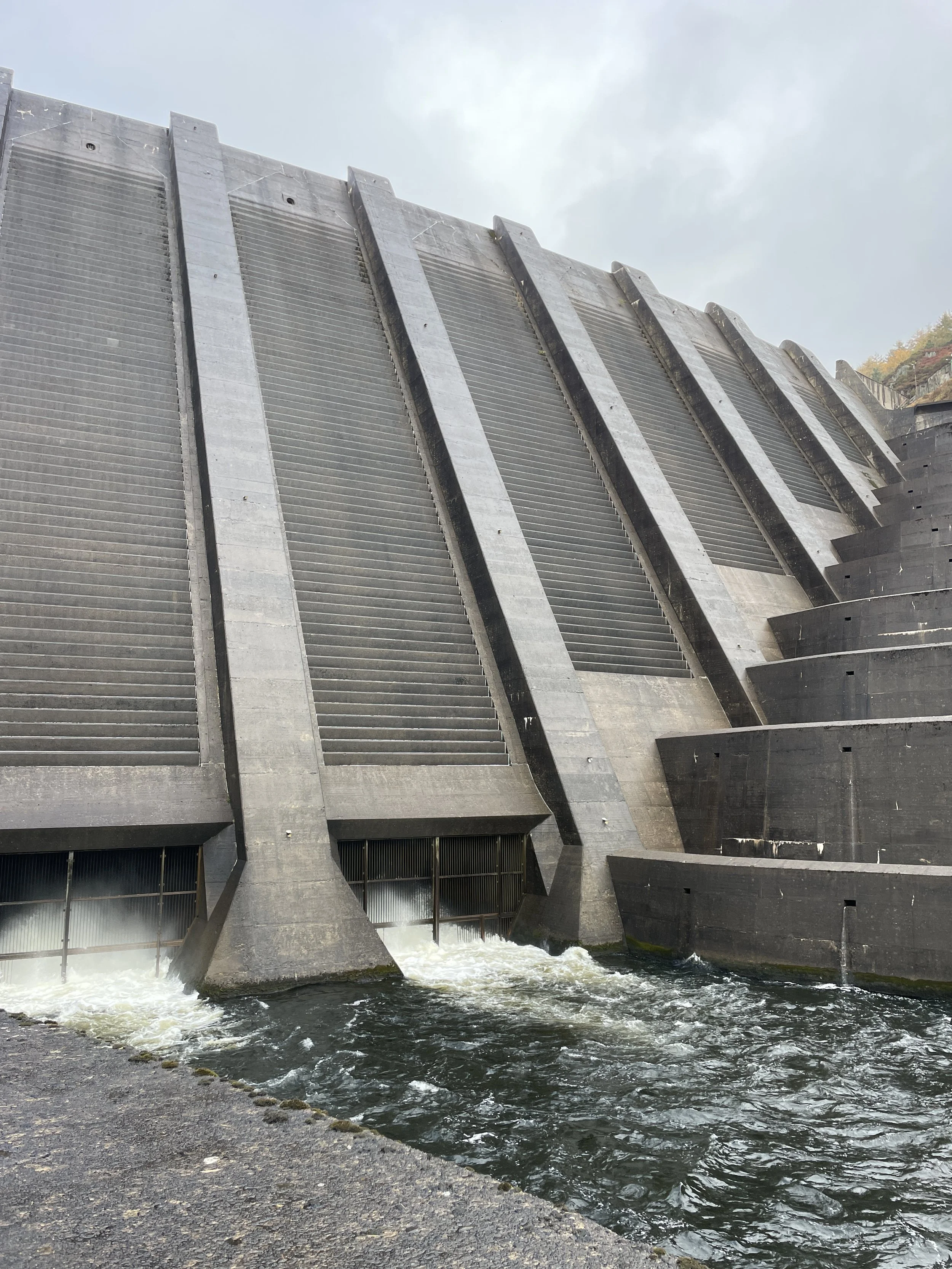
Natural Resources Wales uses local water supply at the freshwater pearl mussel Cynrig and Clywedog hatcheries.
“This trip to the Cynrig and Clywedog hatcheries was an invaluable opportunity for knowledge exchange and cooperation between the Freshwater Biological Association (FBA) and Natural Resources Wales (NRW), to continuously learn and improve the success of freshwater pearl mussel propagation in the UK.”
Freshwater pearl mussel propagation at the Clywedog and Cynrig hatcheries
Following the same practices as the captive breeding program at the FBA’s Species Recovery Centre, wild-fertilised adult freshwater pearl mussels are brought to the Clywedog facility from their respective rivers, where the encystment process can begin.
While most Welsh mussel populations use brown trout as their compatible host fish, some are also exposed to Atlantic salmon for encystment, such as the Dee. The gravid female mussels release glochidia into the water column, before it flows into a separate tank of fish. Once fish are well encysted with glochidia, they are transported to the Cynrig hatchery where staff focus on excystment and early-stage juvenile mussel rearing.
At Cynrig, host fish are placed into heated recirculating systems that run at a temperature of 17 degrees Celcius, to accelerate the drop-off process. This accelerated excystment process has been trialed in the past few years at the FBA, and now a new, purposely built system is being built that has capacity for more fish, which will maximise juvenile collection.
Again, like the FBA, NRW uses algal nets attached to bottles over the tank outflow pipes for collecting juvenile mussels that have excysted from the host fish, and these very small juvenile freshwater pearl mussels are hand-picked using pipettes from underneath a microscope before being introduced to a rearing system.
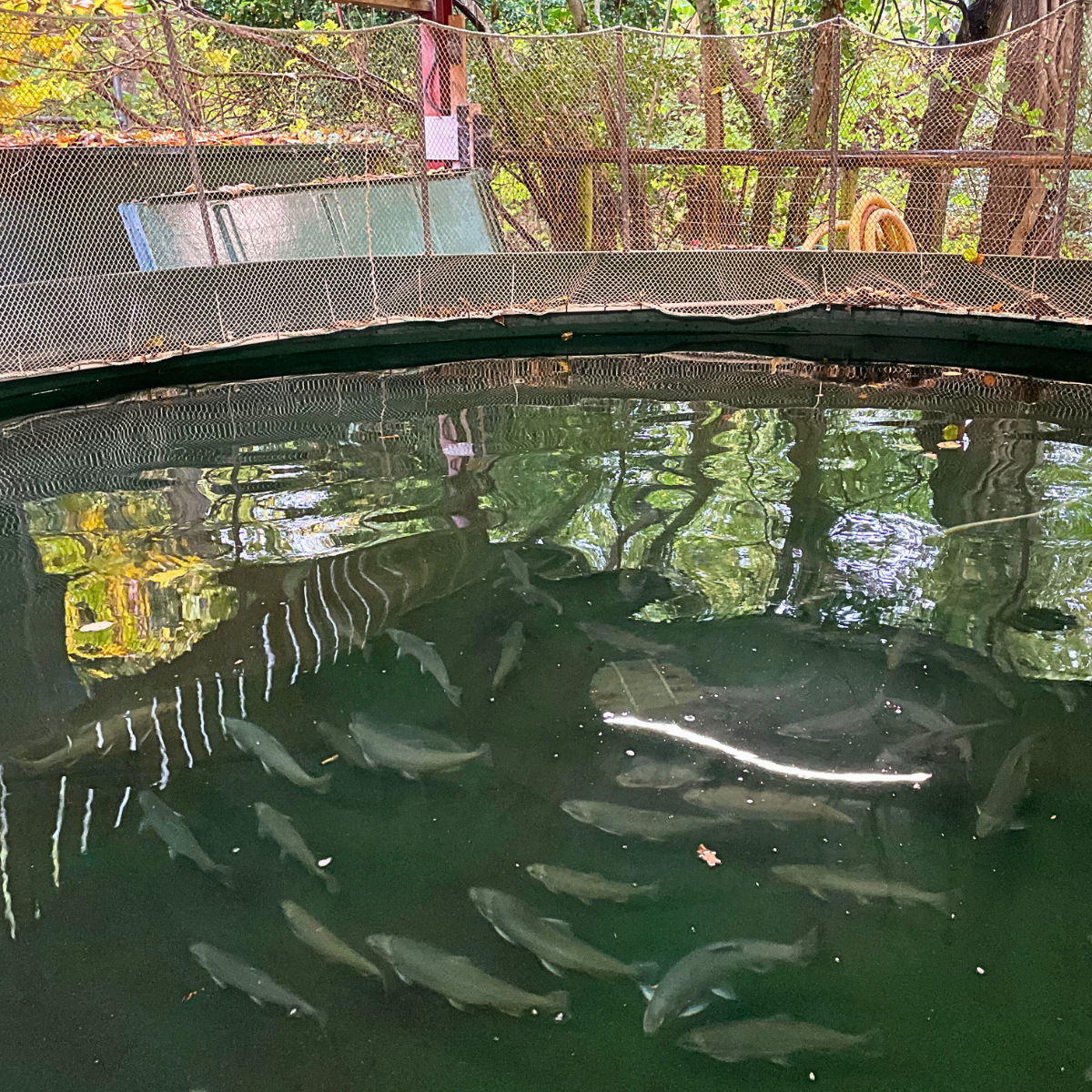

Images showing fish (left) and freshwater pearl mussels (right) in tanks at the NRW Cynrig and Clywedog hatcheries.
An observation of propagation technique variation between the FBA and Welsh hatcheries
A significant difference between propagation at the Welsh and FBA hatcheries is that instead of using heated aquaria with gravel-filled sieve cups like the FBA, the Welsh facility utilises incubation tubs for growing newly excysted juveniles. These are simplistic plastic airtight containers that are maintained in an incubator at around 16 degrees Celcius, for several weeks.
Around 500 mussels are placed into each tub, which is then fed with industry standard algae, as well as a locally sourced detritus material. The tubs require water changes and cleaning every two days, meaning much of NRW staff time is spent on maintenance of this system.
Once large enough, the juvenile mussels are moved back to the Clywedog facility where they will continue to grow in trays containing clean gravel, inside a flow-through tank system. The water is no longer heated, and mussels feed on algae naturally occurring in the river, making this next stage much less labour intensive, and allowing the juvenile freshwater pearl mussels to become accustomed to a habitat that simulates the river environment.
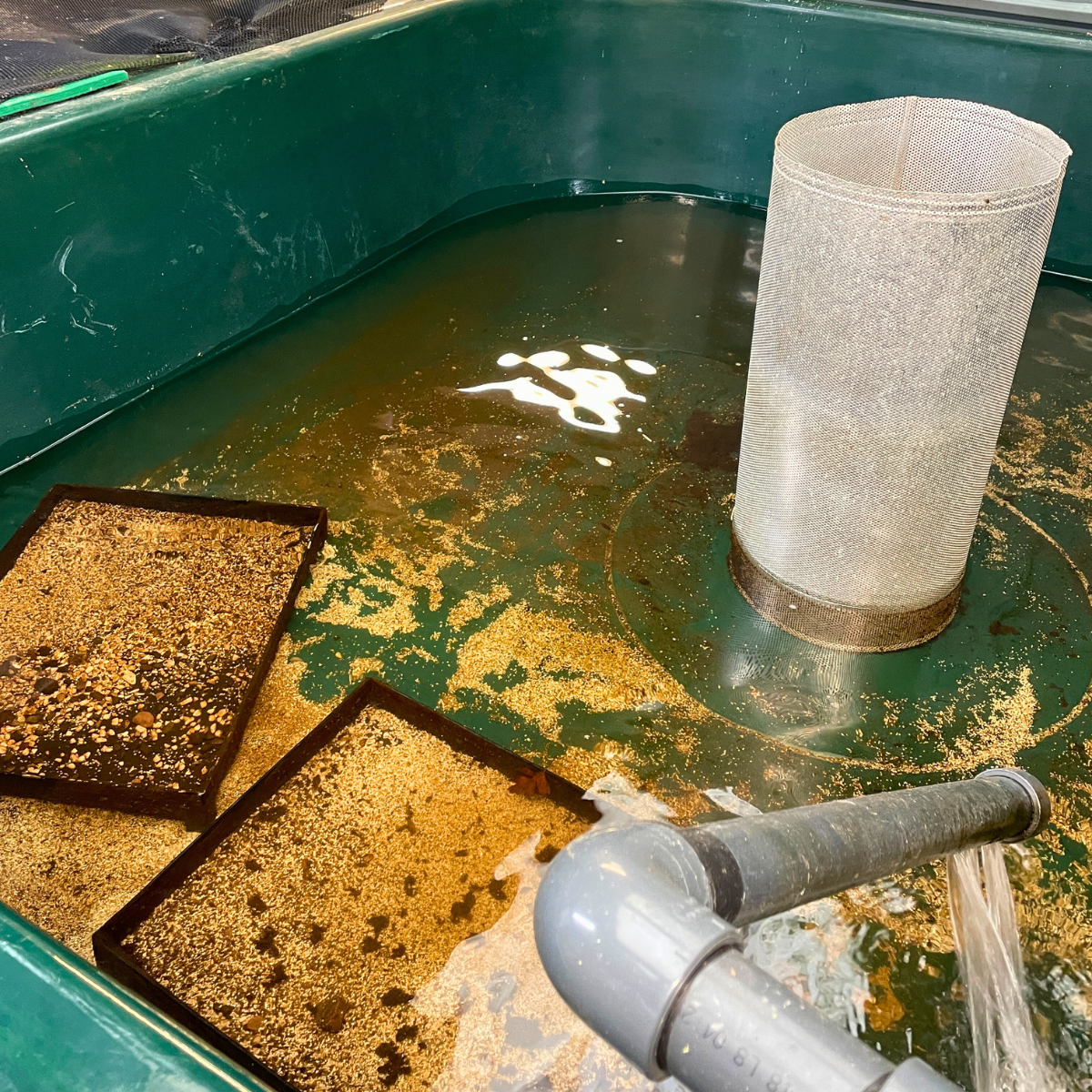

Images of juvenile freshwater pearl mussels in gravel trays at the NRW Cynrig and Clywedog hatcheries.
River Dee freshwater pearl mussels heading to the Ark SRC to help support future populations
One freshwater pearl mussel population at the NRW hatcheries – the Welsh River Dee – has unfortunately not produced any viable glochidia in a number of years, potentially due to their origin.
For many years, these freshwater pearl mussels were located downstream of a reservoir where they experienced continuous stress from flow releases, temperature shocks, drying episodes, and more. Given that the temperature profile of Windermere is consistently warmer than that of the Clywedog reservoir, it was decided that upon their return, FBA staff would bring 25 adult River Dee mussels to the SRC. It is hoped that the exposure to different water conditions the FBA will be successful in producing healthy, viable freshwater pearl mussel juveniles from this endangered population of mussels for the river Dee in the future.
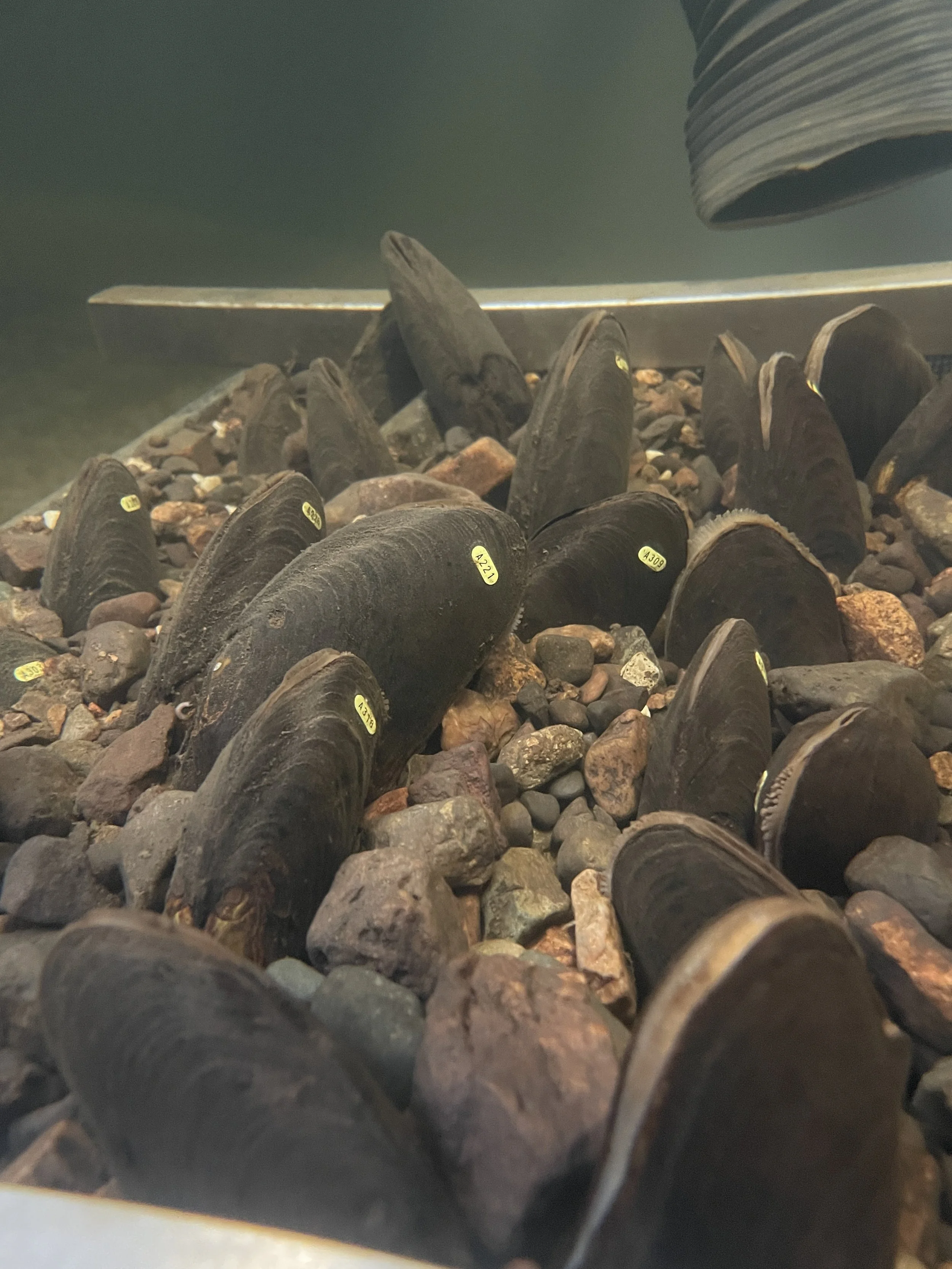
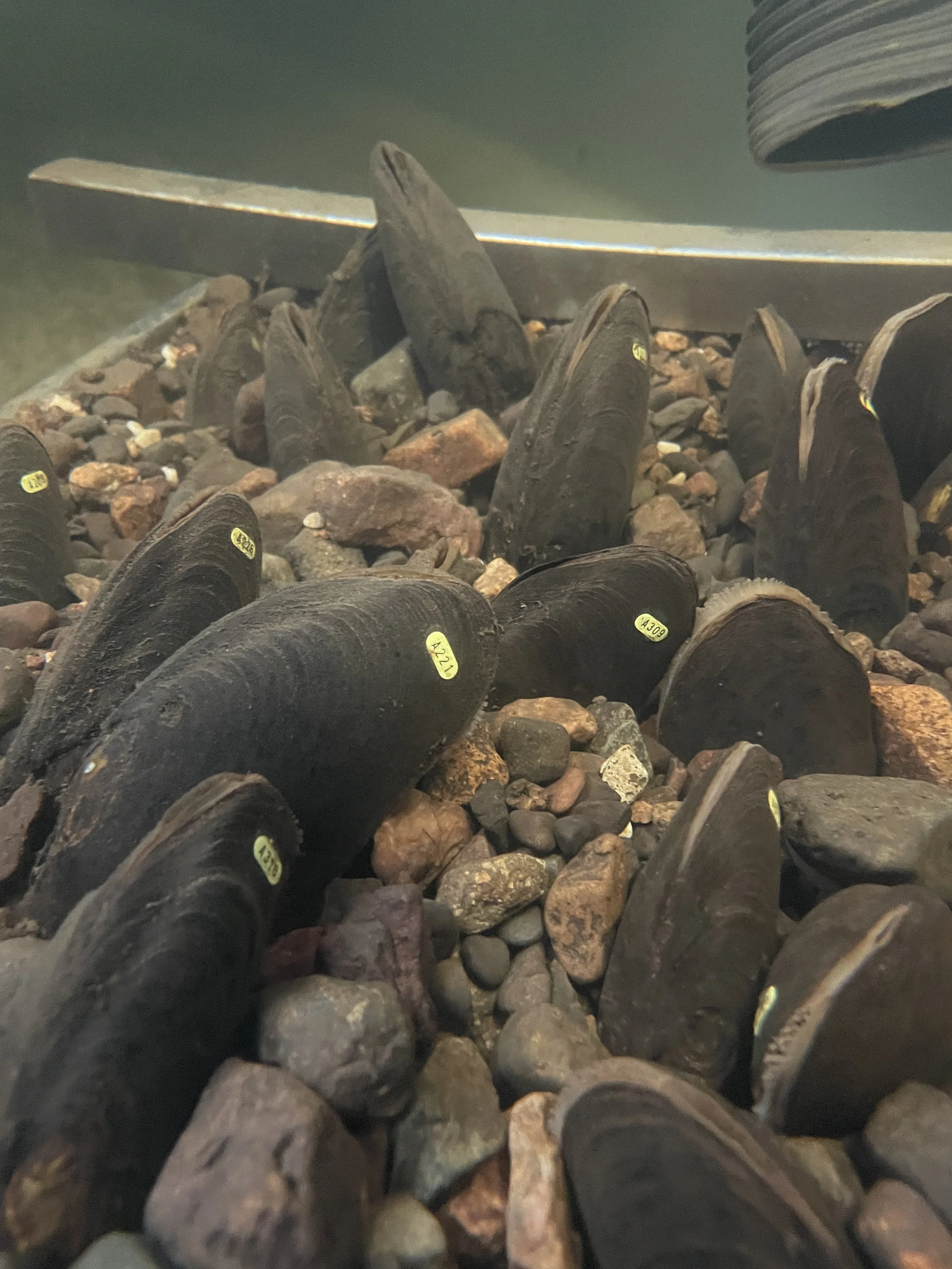
The River Dee freshwater pearl mussels nestled in their new tank at the FBA Ark. The cohort of 25 mature mussels is hoped to be a mixture of males and females that will produce glochidia next year.
Final thoughts on the knowledge exchange visit to the NRW hatcheries
Overall, the trip was a brilliant opportunity for FBA staff to learn about the different tank systems utilised at the two facilities and highlighted the benefit for staff working in this sector to meet regularly to share our successes, as well as our challenges, to exchange freshwater pearl mussel propagation knowledge and get advice from one another on our unique rearing systems and captive breeding techniques.
We would like to thank the NRW team for their time and hospitality showing us around and sharing knowledge of the Cynrig and Clywedog hatcheries.
Watch this space for updates on the propagation of the River Dee freshwater pearl mussels at the FBA Ark!
Interested in discovering more?
Find out more about the Natural Resources Wales (NRW) and the Four Rivers for LIFE Project.
Read: Avoiding extinction: Conservation breeding and population reinforcement of the freshwater pearl mussel, 20 May, 2024, by Louise Lavictoire & Chris West.
Find out more about FBA's Freshwater Pearl Mussel Ark
Established in 2007, the Freshwater Pearl Mussel Recovery project is an ongoing partnership project between the Environment Agency, Natural England and the Freshwater Biological Association.