Big Windermere Survey secures funding from Lake District Foundation and National Trust
13 July, 2023
The Freshwater Biological Association is delighted to announce that it has just secured funding from the Lake District Foundation and National Trust to continue with the Big Windermere Survey.
The Big Windermere Survey is a citizen science project run by the Freshwater Biological Association and Lancaster University that aims to provide evidence and understanding about water quality in Windermere.
The project is a huge undertaking that requires the help of an army of volunteers as well as funding to cover the costs of sampling kits, laboratory analysis and staff time, so The Freshwater Biological Association is delighted to announce that it has just secured funding from the Lake District Foundation and National Trust to enable it to continue this innovative project with Lancaster University for another season.
Sarah Swindley, CEO at Lake District Foundation, commented, “The Lake District Foundation is very pleased to be able to support the Big Windermere Survey and we are grateful to our many donors for making this possible. The Big Windermere Survey is a key part of the Love Windermere partnership, which is working together to look after this iconic lake for generations to come. Having robust data to best direct activity is vital and the survey is clearly providing this.”
Laura Ruxton, General Manager of the South Lakes Portfolio, National Trust, commented, “The National Trust values the importance of understanding Windermere’s water quality through regular sampling and testing. Through the Love Windermere partnership, we are pleased to support the Big Windermere Survey to include the community around the lake in this work.”
The next Big Windermere Survey will take place on Sunday 13th August. Volunteers are trained to collect water samples from Windermere and the rivers and lakes that flow into it, which are analysed for nutrient and bacterial concentrations at independent laboratories, producing the largest, one-day snapshot of conditions in Windermere.
To date, The Big Windermere Survey has included four surveys – summer and autumn 2022, and winter and spring 2023 – representing a year of data spanning the four seasons.
Dr Lynsey Harper, Senior Scientist at the Freshwater Biological Association, explains, “It is important to gather data in each season throughout the year to identify patterns in the concentrations of nutrients, such as phosphorus and nitrogen, and bacteria that can indicate the presence of faecal matter. This allows us to determine which locations are of good or poor water quality year-round and which locations experience poor water quality in certain seasons. For example, higher visitor numbers in spring and summer may increase nutrient inputs from households to the wastewater system and eventually the lake. In autumn and winter, higher rainfall and runoff from the land surrounding the lake can also increase nutrient inputs to the lake.”
Dr Ben Surridge, Senior Lecturer at Lancaster University, adds, “In combination with warm, dry and stable weather conditions, high nutrient concentrations can increase the frequency and intensity of algal blooms, which can be harmful if the bloom produces toxins or lowers dissolved oxygen levels in the lake water. The Big Windermere Survey informs targeted action on the ground, as the data from the survey are used to inform decision-making processes and to bring about action to maintain and improve water quality.”
If you’d like to see the results gathered from the four rounds of the Big Windermere Survey so far, these are publicly available on the Freshwater Biological Association website.
If you would like to get involved with the Big Windermere Survey on Sunday 13th August and become a scientist for the day, get in touch at windermere@fba.org.uk
Emma Kelly, Windermere Project Officer, says, “Getting involved in the Big Windermere Survey as a volunteer is a great way to get out and about on a Sunday morning, helping to collect valuable data to assess the water quality of the Windermere catchment. Absolutely anyone can get involved – you can even bring along family and friends, including four-legged friends!”
Further reading
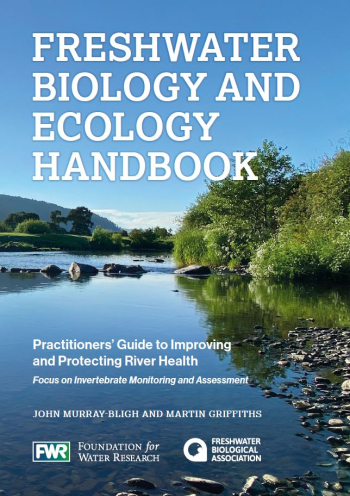
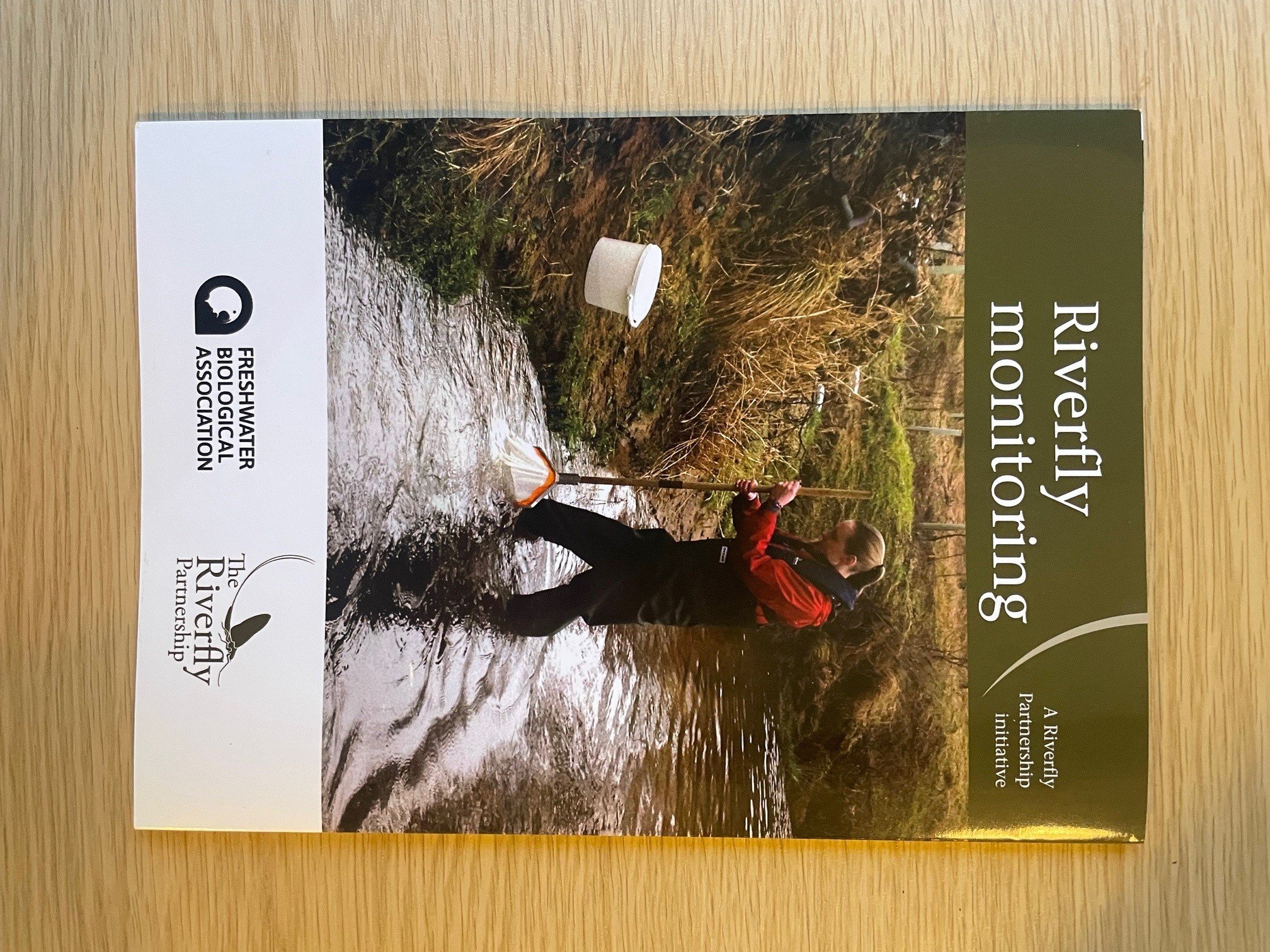
The Freshwater Biological Association publishes a wide range of books and offers a number of courses throughout the year. Check out our shop here.



Get involved
Our scientific research builds a community of action, bringing people and organisations together to deliver the urgent action needed to protect freshwaters. Join us in protecting freshwater environments now and for the future.

NEW COURSE: Pond Restoration Training: North West England on 6 & 7 July 2026. From £250.00
Ponds are increasingly recognised as critical features for biodiversity conservation across UK landscapes. This two-day course will introduce participants to the science and best practice of pond restoration.
Helen Greaves of the Pond Restoration Research Group at University College London (UCL) is a co-founder of the Norfolk Ponds Project (NPP) and Executive Director of the NPP Community Interest Company (CIC). With over 15 years’ experience restoring ponds and researching their ecological recovery, and following publication of the recent Guide to the Restoration, Creation and Management of Ponds, Helen is keen to share key lessons and practical insights from both the UCL and NPP teams.
The course will include a combination of lectures, workshops, and field visits focused on the restoration of degraded overgrown ponds and in-filled “ghost ponds”.
Participants will be introduced to the scientific evidence underpinning pond restoration, including the benefits for freshwater and terrestrial biodiversity. The course will also cover the key DOs and DON’Ts of restoration, including pond selection and important considerations during the restoration process.
Field visits will explore two contrasting pond landscapes typical of West Lancashire. One site is situated within a lowland floodplain landscape, while the other lies within a higher arable setting adjacent to a nature reserve. These visits will provide an opportunity to compare ponds across different land uses, including farmland and conservation-focused landscapes. Participants will consider how landscape context influences restoration potential, management approaches, and ecological outcomes, including the specific challenges and opportunities associated with restoring existing ponds and resurrecting ghost ponds.
The course will also address approaches to engaging landowners, farmers, and local communities in pond conservation, alongside practical routes for securing funding to support restoration work.
Participants on all FBA courses must be 18 years and above.
Location: West Lancashire (near Ormskirk)
Tutor: Helen Greaves
Price: £275 for non-members, £250 for members
Please click on the following link to download and complete the booking form then email to info@fba.org.uk: FBA Courses Booking Form.docx
TO AVOID POSTAL CHARGES PLEASE SELECT ‘PICK UP’ OPTION AT CHECKOUT.
Please note: Payment must be made in full via the website in order to secure your place on this course.