Wensum Riverkin and me… in conversation with Tim Ellis
30 April, 2026
In September last year Simon Johnson, Executive Director of the FBA, issued a call to action to those who must do more to save England’s forgotten, and sorely neglected, chalk river.
Following the publication of the article there was a passionate response from those feeling a kinship to the river. People's eagerness to support this beautiful chalk river in Norfolk was so great that a core collection of advocates for the Wensum's recovery mobilised forces and formed Wensum Riverkin.
Since its inception in autumn of 2025, Wensum Riverkin has established a social media presence on Facebook and Instagram, with over 2K followers. From these platforms the growing group have been calling out to 'Get The Wensum Well Again!'
Activity has included coordinated volunteer events on the river, and multiple meetings with anglers, politicians, local communities and organisations, instrumental in the Wensum's water quality and ecological wellbeing.
In the last few months Wensum Riverkin's call to action has seen impressive impact, reaching the Houses of Parliament with the Bishop of Norwich, the Rt Revd Graham Usher, advocating for, and indeed securing, further legal protection for England's nature-rich rare chalk streams.
The Bishop of Norwich, who is the Church of England’s Lead Bishop for the Environment, has additionally backed the Chalk Streams (UNESCO Natural World Heritage Site) Bill, introduced to Parliament on 25th February 2026.
Could it be that this determined group of riverkiners are beginning to help turn the tide on the fate of the Wensum?
Here we catch up with angler, nature enthusiast and founding member of Wensum Riverkin Tim Ellis, to find out more about his interest in freshwater ecology and the motivations of this new group of champions for Norfolk's 'forgotten chalk river'.
The Wensum floodplain doing what it should, photo by Tim Ellis.
Please could you let us know a little about you... and how you found yourself in the fabulous world of freshwater science?
I’m a lifelong angler with a huge empathy for the natural world outdoors, especially the damper parts of our disappearing British countryside. No great surprise then that one day many years ago I found myself signing up with a bunch of reprobates who were running Norfolk Anglers Conservation Association (NACA), having myself already served an apprenticeship as a teenager working voluntarily on projects such as RSPB Strumpshaw fen and the like. My dear old Dad was a keen birdwatcher and naturalist, a shining example who dragged me along with him into an exciting world of bow saws and bonfires!
I don’t really see myself as having a strong science base, other than I am intensely curious and fascinated to understand, and wonder at, the whys and wherefores and the beauty of the natural world, and if possible encourage good things to thrive, as we tried to do in NACA, now the Wensum Anglers Conservation Association.
Is there a particular area of freshwater biology that is of interest to you?
Anything to do with rivers, fast rivers, slow rivers, any rivers but hopefully as “natural” as possible, although my local Wensum is a much-modified chalk river, and probably some of the best bits now are the result of long-ago modifications. Classic British chalk streams are of course positively reeking with human input – water meadows, mills, bypass channels, sluices and so on, and the Wensum is no exception. But the best of these are still rich in wildlife which is clearly taking advantage of the environmental niches.
Norfolk’s River Wensum was designated a Site of Special Scientific Interest (SSSI) in 1993, and a Special Area of Conservation (SAC) in 2000, recognising it as one of the most important chalk river habitats in the country.
What is your connection to the River Wensum in Norfolk?
I grew up, a child of the Sixties, a stones throw from the little river Tud, a Wensum tributary. I fondly recall much of my early childhood spent in and around the Tud, “trawling” with a net curtain, a method favoured in early days as a way of finding, and getting hands on with, everything from white-clawed crayfish to brown trout parr! At some point a fishing rod appeared… and as a teenager with a bike, then a motorbike, I just naturally graduated toward the Wensum and the gravel pits of the valley.
And could you tell us more about the motivations for the formation of Wensum Riverkin?
Wensum Riverkin started when a small group of friends with a long association with the river finally began to feel we were really running out of time to achieve anything meaningful in terms of preventing its likely ecological collapse. This in spite of the highest protections the Wensum enjoys: SSSI and SAC status and the huge amounts of “monitoring” undertaken over many years.

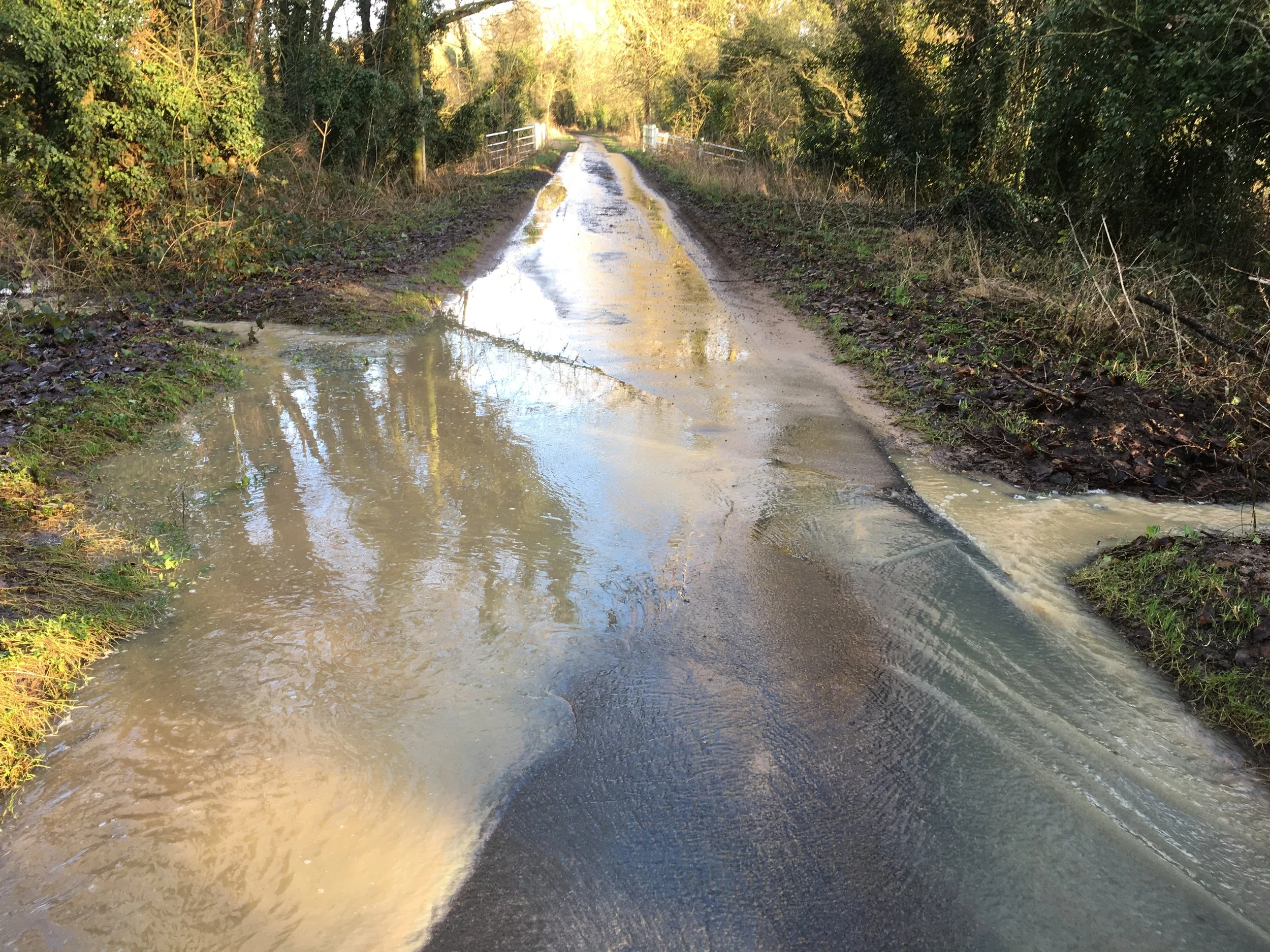
Photos by Tim Ellis (left) of a section of the river just upstream of a disused mill. Inches of nearly static water with feet of sediment backed up. Just waiting for a flood to unleash it all downstream… for a modified chalk river like the Wensum to operate properly, this should be de-silted regularly. And (right) sediment heading for the river Wensum.
What has the group been doing?
We have been trying to highlight the plight of the Wensum today in particular and gather support to help “Get the Wensum Well Again!”. So far we have been very active in social media, also interacting with lots of different local bodies and the agencies and water supply company for the area. Now we are reaching out to local MPs to ask for their support.
Do you think it’s achievable to “Get The Wensum Well Again!”?
I think it’s a big, big if, but IF the SSSI and SAC designations could actually be more vigorously and urgently upheld, rather than being viewed (apparently) by the Environment Agency and Natural England (and Anglian Water) as some kind of distant aspirational target, we might have a chance of a healthier, more vibrant river again. One with a good consistent flow of cleaner water, better habitat instream and bankside, supporting a healthy ecology of plants, invertebrates, fish and other animals. Not just a source of clean water and a means to dispose of the resultant effluent!
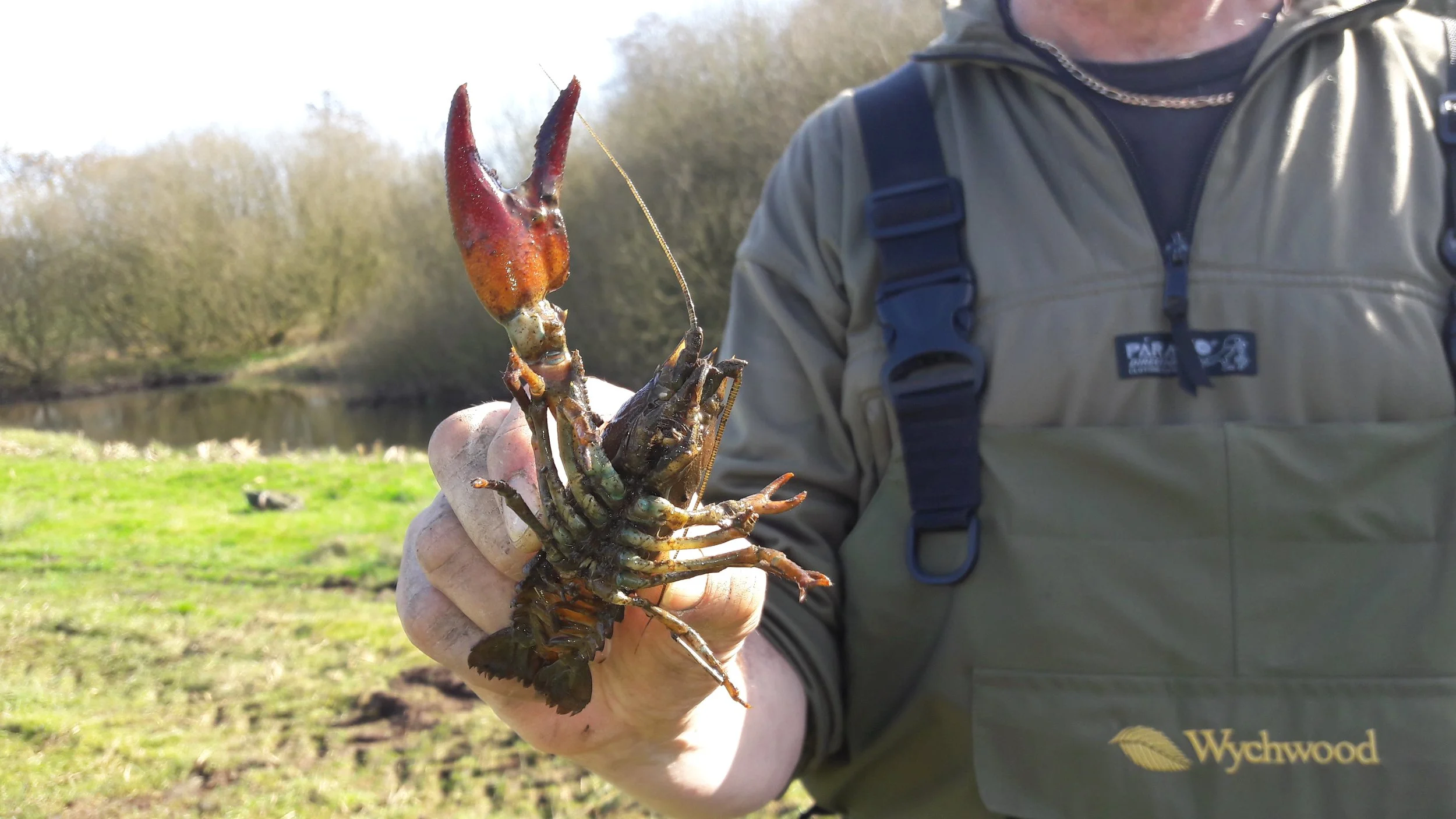
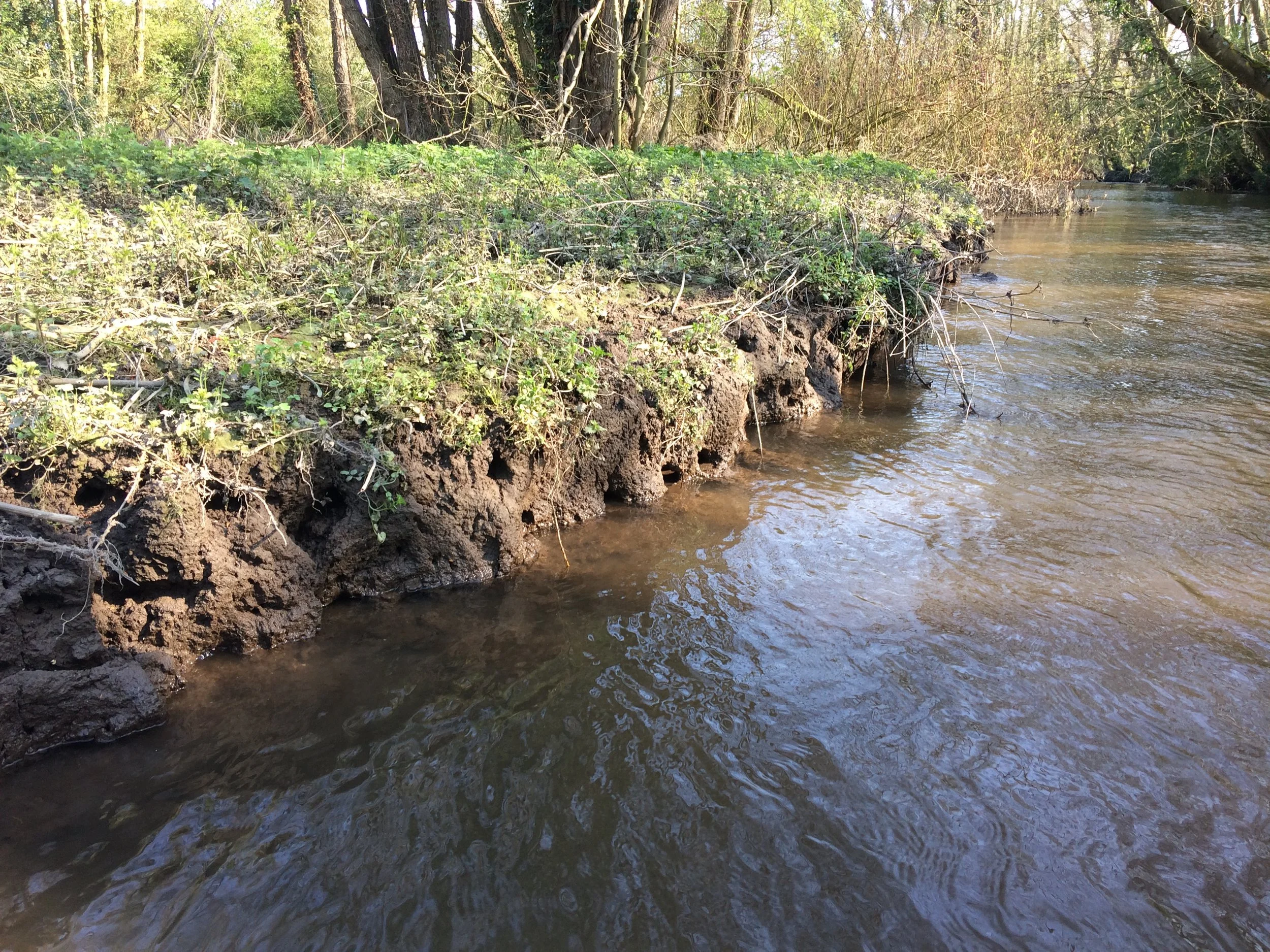
Tim Ellis (left) holding a signal crayfish on the banks of the Wensum. An invasive species, which in conjunction with Himalayan balsam causes huge amounts of bank damage, erosion and sediment ingress (right).
Do you have any recommendations for people who are concerned about the degradation of their local rivers and would like to support these waterways more actively?
Please get involved! With national and local groups, angling groups, local Wildlife Trusts, Friends of the Earth, Windrush Against Sewage Pollution (WASP), Surfers Against Sewage and so on. FOCUS on fixing the problems to get your river and all our rivers healthy again.
If you’re happy to get your wellies on… the Riverfly Partnership’s riverfly monitoring initiative is an excellent way to get to know your local river throughout the year and also help gather valuable data, as a freshwater citizen scientist, about the invertebrate population and water quality of the river.
“Biodiversity is key to so much, to everything in fact. I hope that our freshwater ecosystems can be encouraged to retain and even actually increase in their biodiversity, by halting and reversing habitat loss and over-exploitation of resources (including water supply!), also enacting better protections from pollution sources, and hopefully going at least some way to mitigating against and even alleviating climate change.”
What are your hopes for freshwater ecosystems in the UK and even globally?
The great historic angler, artist and writer Bernard Venables cited something in his autobiography along the lines of “perhaps the most important word to come out of the twentieth century is Biodiversity”! A quote closely associated with the esteemed biologist and author E.O. Wilson.
Surely he was so, so right. Biodiversity is key to so much, to everything in fact. I hope that our freshwater ecosystems can be encouraged to retain and even actually increase in their biodiversity, by halting and reversing habitat loss and over-exploitation of resources (including water supply!), also enacting better protections from pollution sources, and hopefully going at least some way to mitigating against and even alleviating climate change.
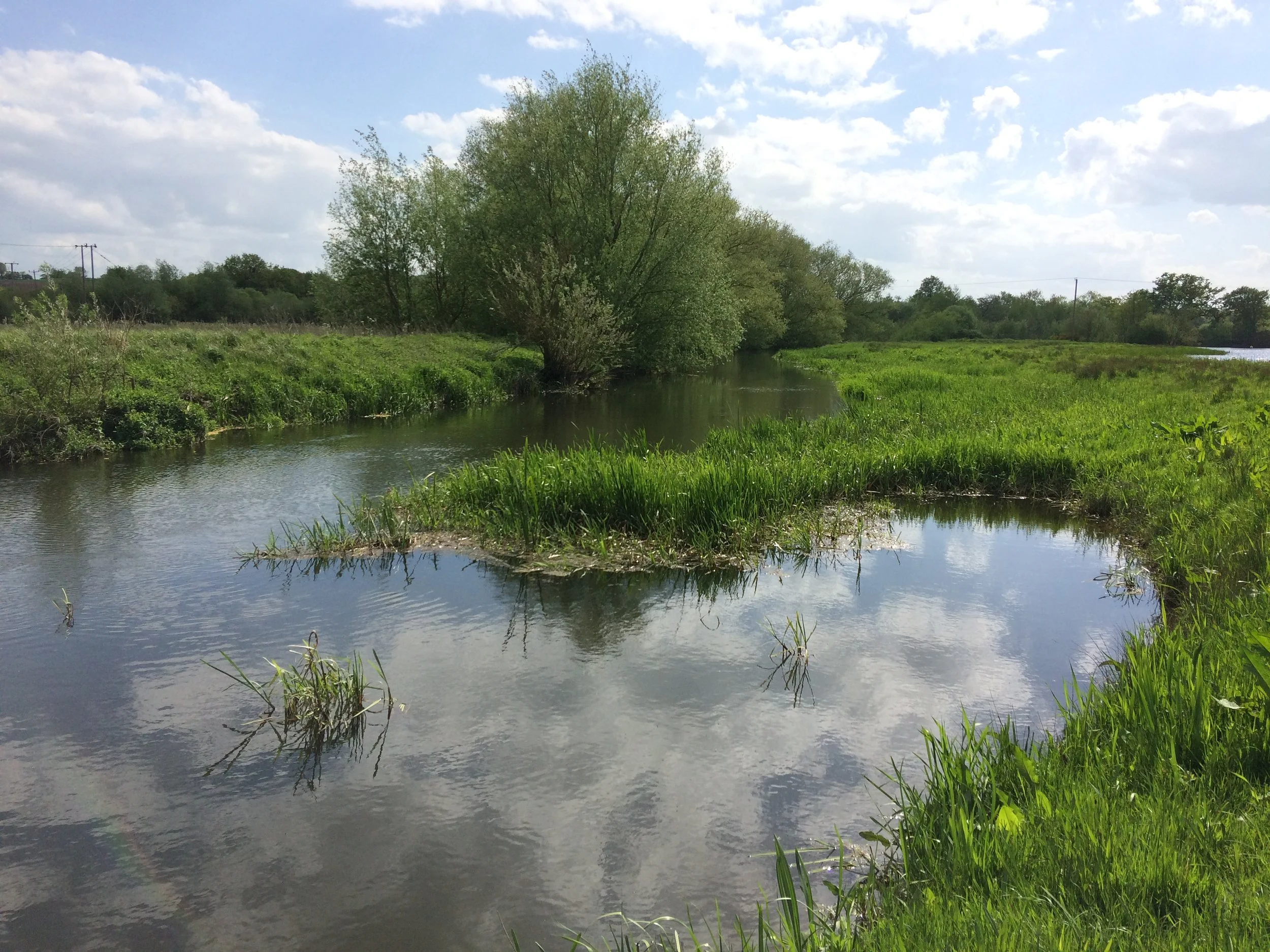
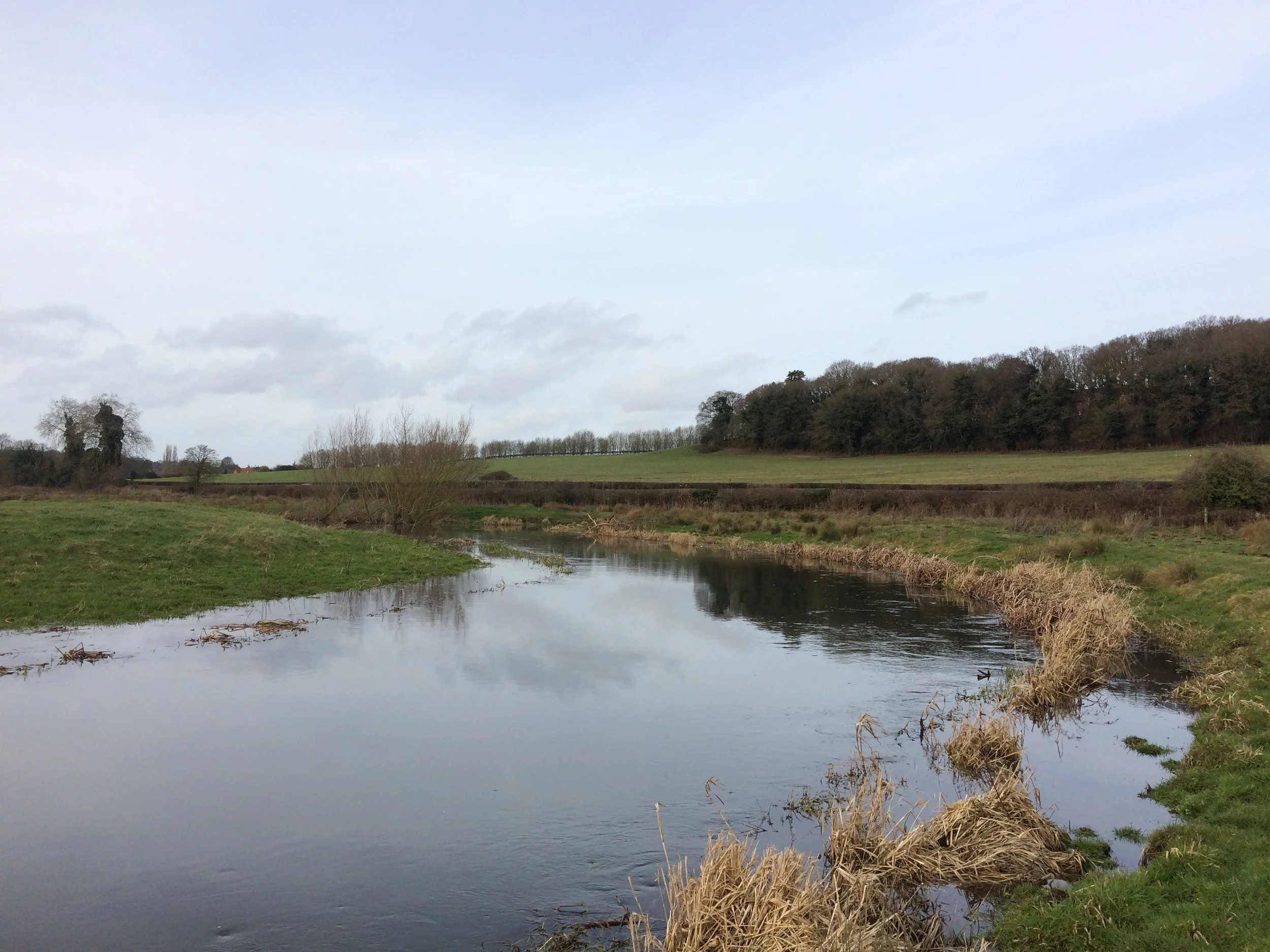
Photos by Tim Ellis (left) of a fry refuge on a project section of the Wensum. Built to give shelter in flood conditions to juvenile fish of all species, and anything else which needs it! And (right) the river Wensum.
If you had a magic freshwater wand that could grant you three wishes to help freshwaters flourish, what would those be?
For more people to stop and realise what we have got and stand to lose in our countryside, particularly the rivers and valleys; to stop destroying nature and the countryside just to build more houses, roads and other stuff; to realise we can’t carry on ad infinitum as we are – it’s not sustainable!
Film clip by Tim Ellis of a rare sight these days: clean sparkling Wensum gravel under gin-clear water!
We always like to ask... do you have a freshwater space that is particularly special to you?
Floodplains: in particular a couple of quiet corners of the mid/lower Wensum and Waveney spring to mind. I can go to either and totally lose myself, with a rod or not. The damp meadows are amazingly lush and green, full of life. Snipe zigzag and call as they take flight in front of you in winter, cow dung is everywhere!
Late in the day, as the evening light fails, honking geese give way to tawny owls calling. And for a while, everything is ok with the world.

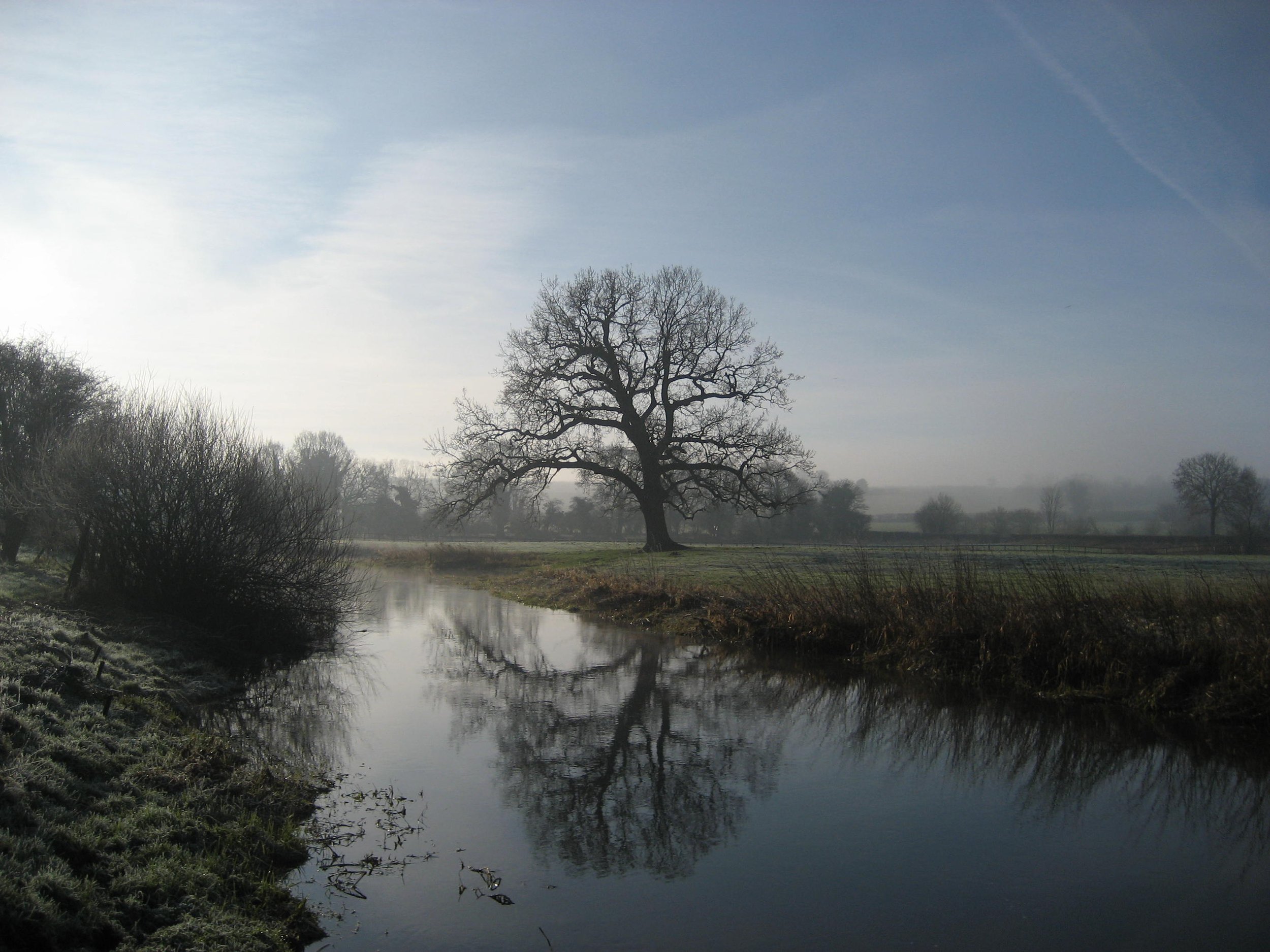
Photos by Tim Ellis: (left) a quiet corner of an East Anglian floodplain, and (right) Wensum floodplain delights.
And finally, do you have a favourite freshwater frequenter?
Although not seen much around here, I’d have to say the Dipper is a great favourite!
Wensum Riverkin founding member Tim Ellis and a Wensum “Bertie” (Barbel), some years ago!
More from Tim on his website: Floodplain Meander: the wanderings of a Norfolk angler – one man’s view of the river Wensum and things related and otherwise.
Interested in discovering more?
Read: The Wensum: England’s dying and forgotten chalk river by Simon Johnson, Executive Director of the FBA
Read: Bishop of Norwich wins Lords backing to protect rare rivers, the Church of England Diocese of Norwich
Read: Bishop of Norwich backs campaign to secure World Heritage status for England’s globally rare chalk streams, the Church of England Diocese of Norwich
Connect with Wensum Riverkin on social media
The Wensum Riverkin Facebook group and on Instagram @wensumriverkin