The next five years: the FBA’s commitment to action for freshwaters
24 September, 2026
The Freshwater Biological Association (FBA) has launched its new Organisational Plan for 2026-2031, setting out an ambitious programme of work to increase action and impact for freshwater ecosystems over the next five years.
With a vision of ‘flourishing freshwaters that sustain life’, the strategy builds on the FBA’s long history of freshwater science and conservation action, while setting a clear direction for the organisation as it approaches its centenary in 2029.
Freshwater ecosystems are among the most vulnerable ecosystems on the planet, facing growing pressures from pollution, habitat degradation and fragmentation, unsustainable water use, invasive species and climate change. The strategy recognises the urgent need for action, with the FBA committed to scaling up its contribution to the protection and rejuvenation of freshwaters.
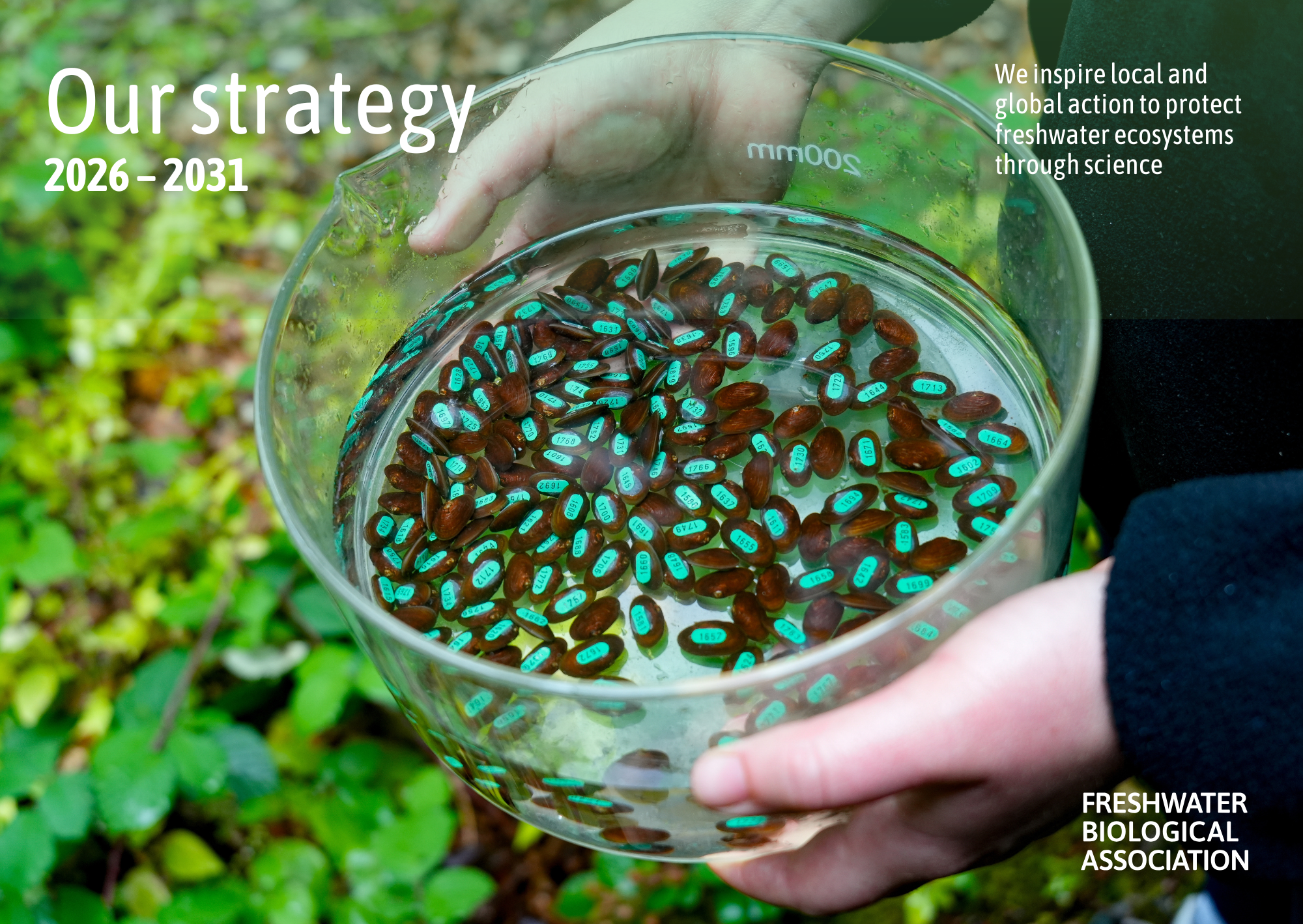
Cover of the FBA’s new five-year strategy, 2026-2031.
Five priorities for freshwater action
The new strategy is built around five interconnected objectives: species recovery, citizen science, advocacy, training, and organisational resilience.
Species recovery and citizen science will remain at the heart of the FBA’s scientific work. The FBA plans to increase the number and scale of its species recovery programmes, with the Species Recovery Centre developing towards becoming a national centre of excellence for freshwater species recovery and action-focused research. The organisation will also continue to develop partnerships linking species conservation with wider landscape-scale recovery.
Through the Riverfly initiative, the FBA will expand its citizen science work, supporting communities to better understand, monitor and care for their rivers and lakes. The strategy aims to strengthen connections between citizen and professional scientists and ensure that monitoring data can contribute to meaningful understanding of freshwater ecosystems.
Advocacy will also have a stronger role over the coming five years. The FBA will use independent evidence and scientific knowledge to advocate for freshwater protection, engage with decision-makers and support greater public awareness, while providing scientific knowledge and fact checking for campaigners, stakeholders and the media.
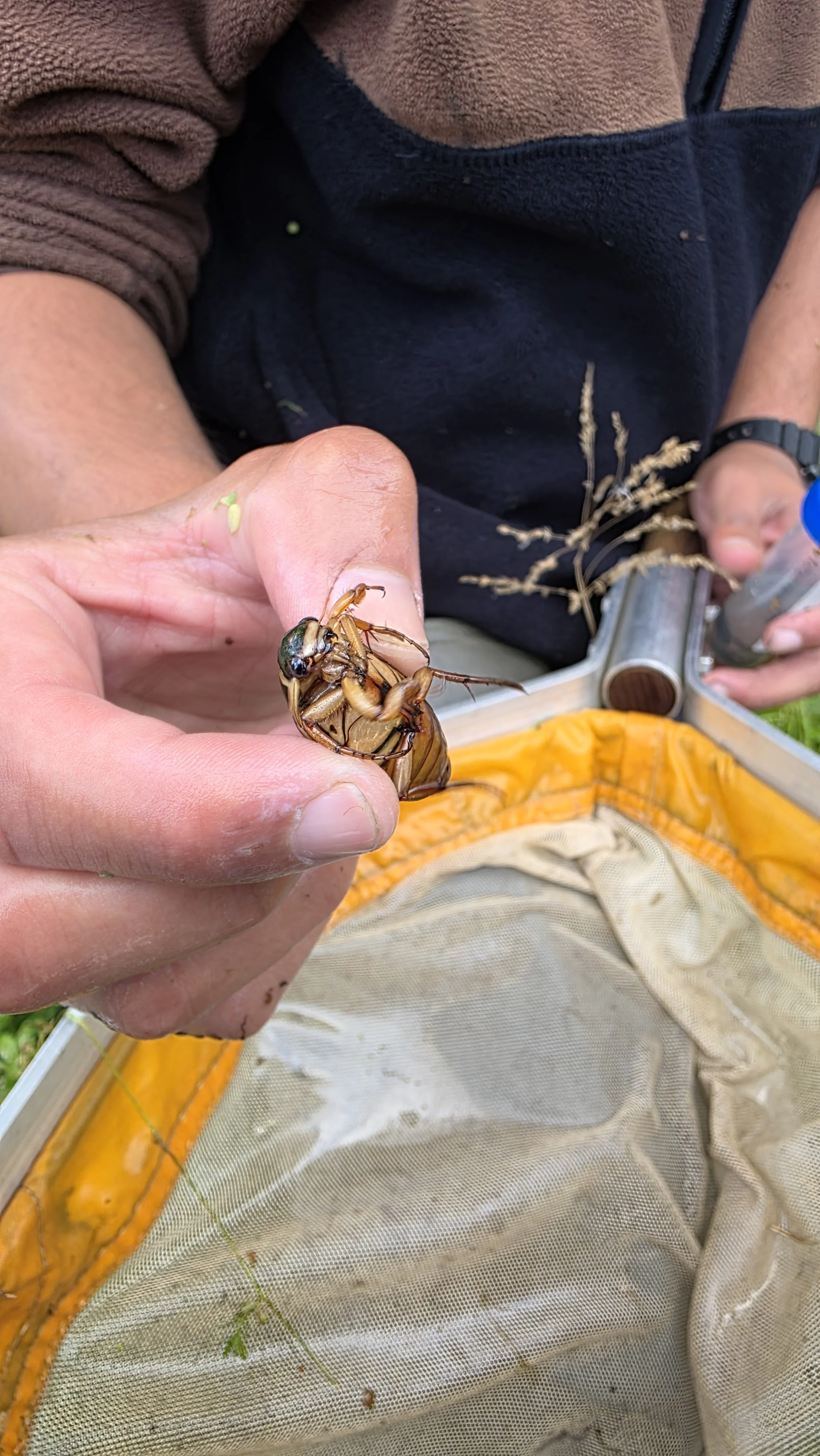
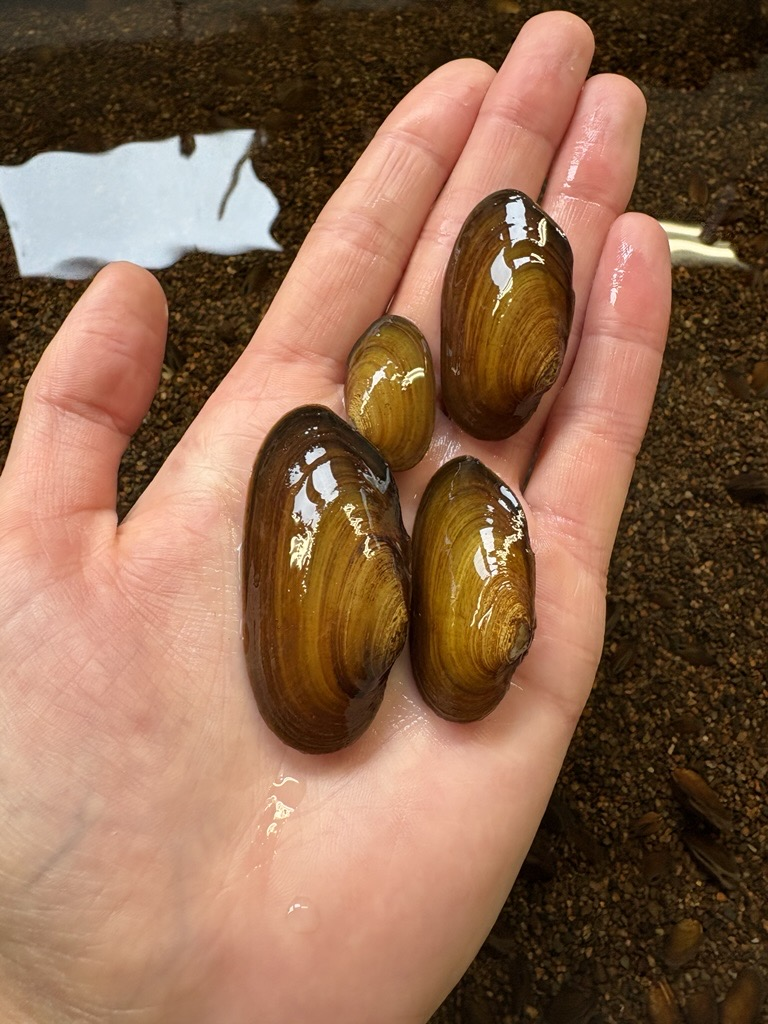
Photos from the Pond Restoration Training with Carl Sayer and Helen Greaves in Norfolk (left), and some freshwater pearl mussels at the FBA Ark Species Recovery Centre, in the Lake District, Cumbria.
“This plan builds upon the inspiring successes of our last five-year strategy. In the lead up to the FBA’s centenary, we will scale up our action-focused science programmes to meet the urgent need to better understand, protect and rejuvenate freshwater ecosystems. We will achieve this with our talented and dedicated team and in collaboration with the scientific community, stakeholder organisations and citizens.”
Building capacity for the future
The FBA will also grow its portfolio of training and field courses for professionals, early career researchers and citizen scientists, with plans for new partnerships and more accessible blended learning opportunities.
Underpinning all of this is a continued focus on organisational resilience. Investment in people, facilities, fundraising, scientific capacity and governance will help ensure the FBA has the resources and skills needed to deliver its ambitions.
As FBA Executive Director Simon Johnson explains, the strategy provides an opportunity to build on the organisation’s achievements while scaling up its action-focused science to meet the urgent need to better understand, protect and rejuvenate freshwater ecosystems. This will be achieved through collaboration with the scientific community, partner organisations and citizens.
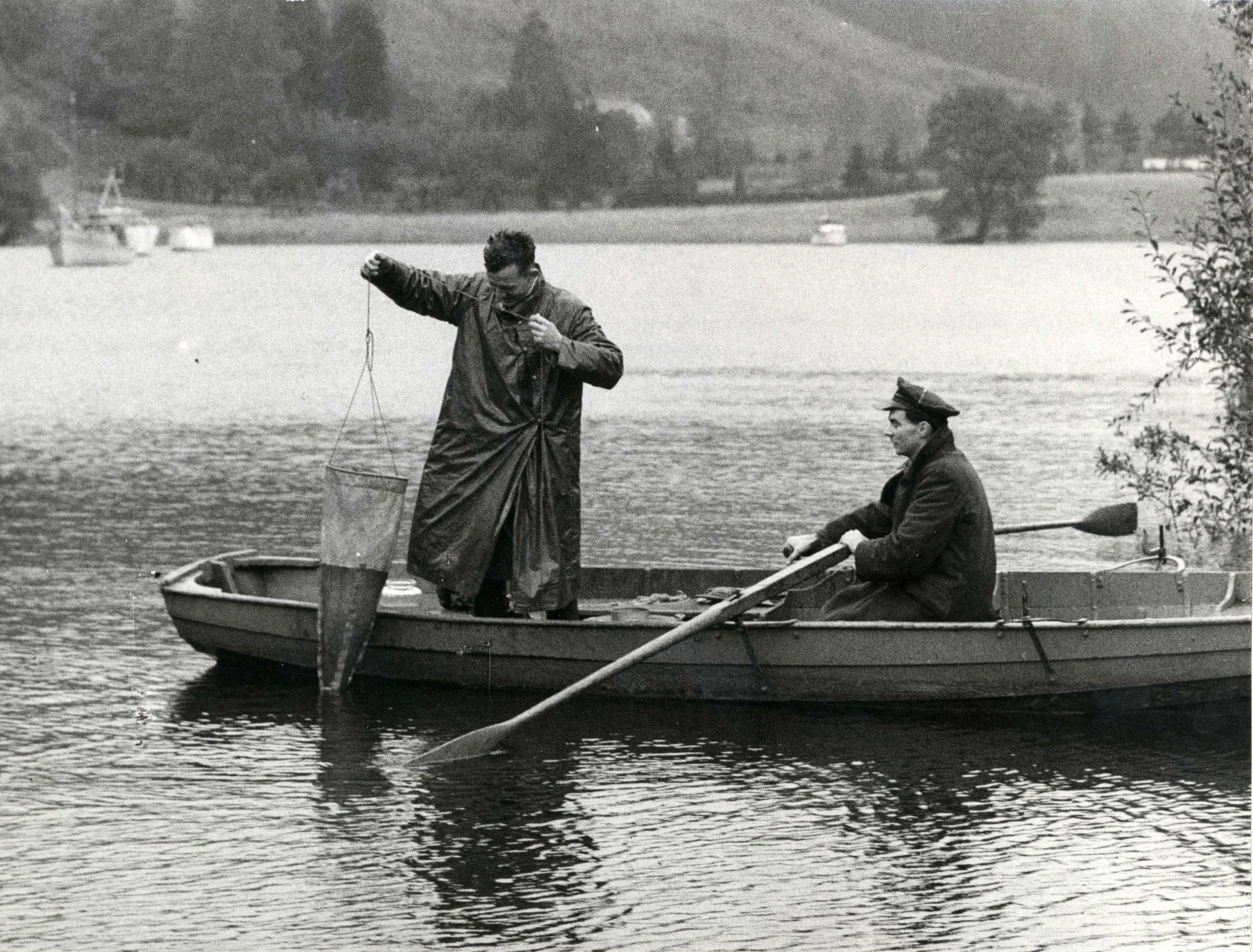
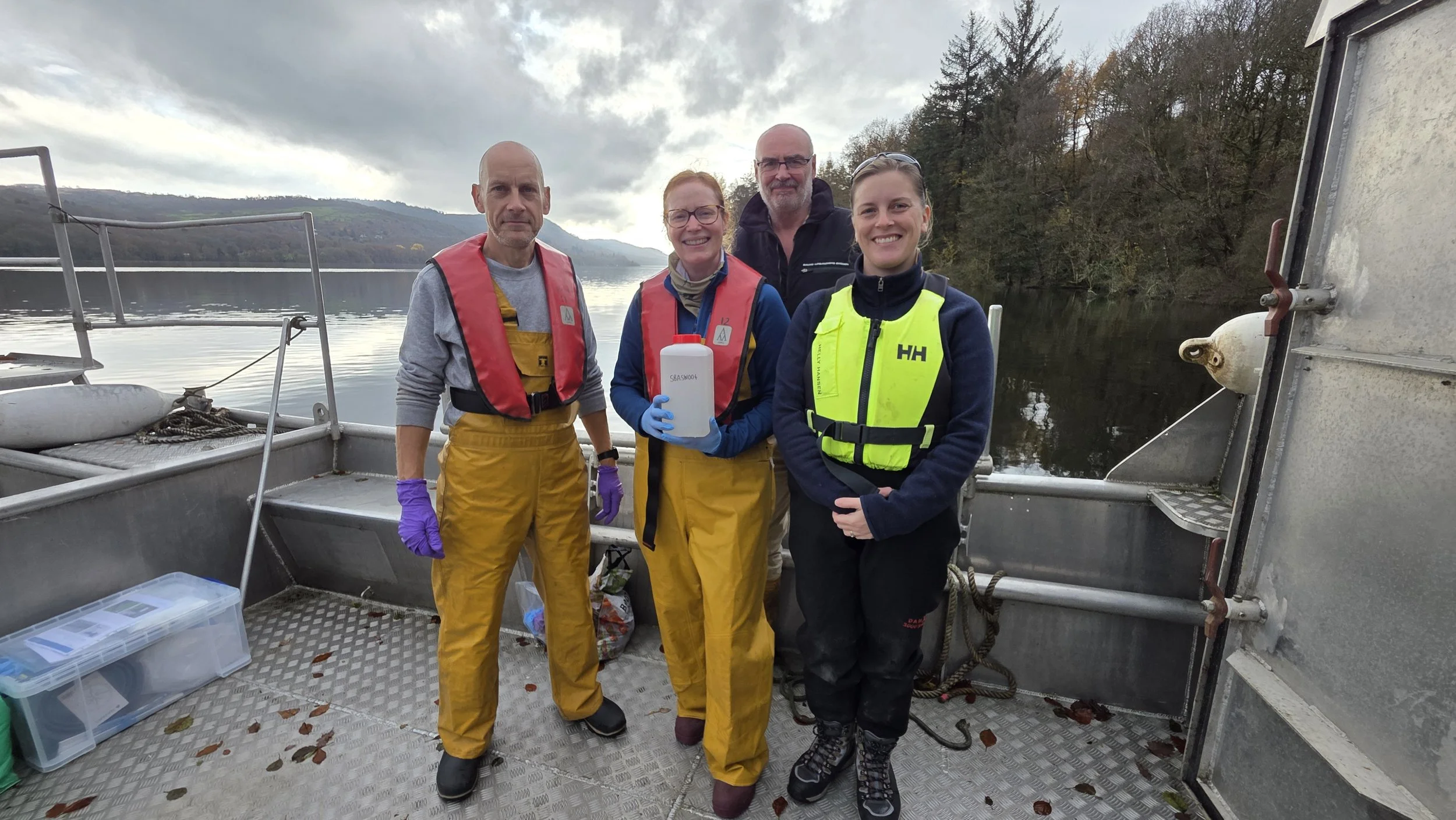
Photos of research in the Lake District from the FBA Archive (left), and some of the LD-CHARM team following eDNA research on Windermere in 2025 (right).