Lakefly citizen science project set to continue as volunteers help shape the future of lake monitoring
5 August, 2026
The Freshwater Biological Association (FBA) is pleased to confirm that the pioneering Lakefly citizen science project will continue, with volunteers across the UK playing a vital role in building the evidence needed to secure the project's long-term future.
Following a successful pilot programme and an overwhelmingly positive response from participants, Lakefly remains active despite current funding challenges. Existing volunteers are continuing to survey lakes and submit valuable freshwater invertebrate records, while the FBA works to secure funding for the next phase of the initiative.
In an update to the Lakefly volunteer network, Henry Marriner, Senior Development Manager for the Riverfly Partnership at the FBA, reassured participants that the project remains very much alive.
“Lakefly is continuing... every single one of you who responded to the feedback survey said you'd recommend Lakefly to someone else, and every one of you said you intended to keep going.”
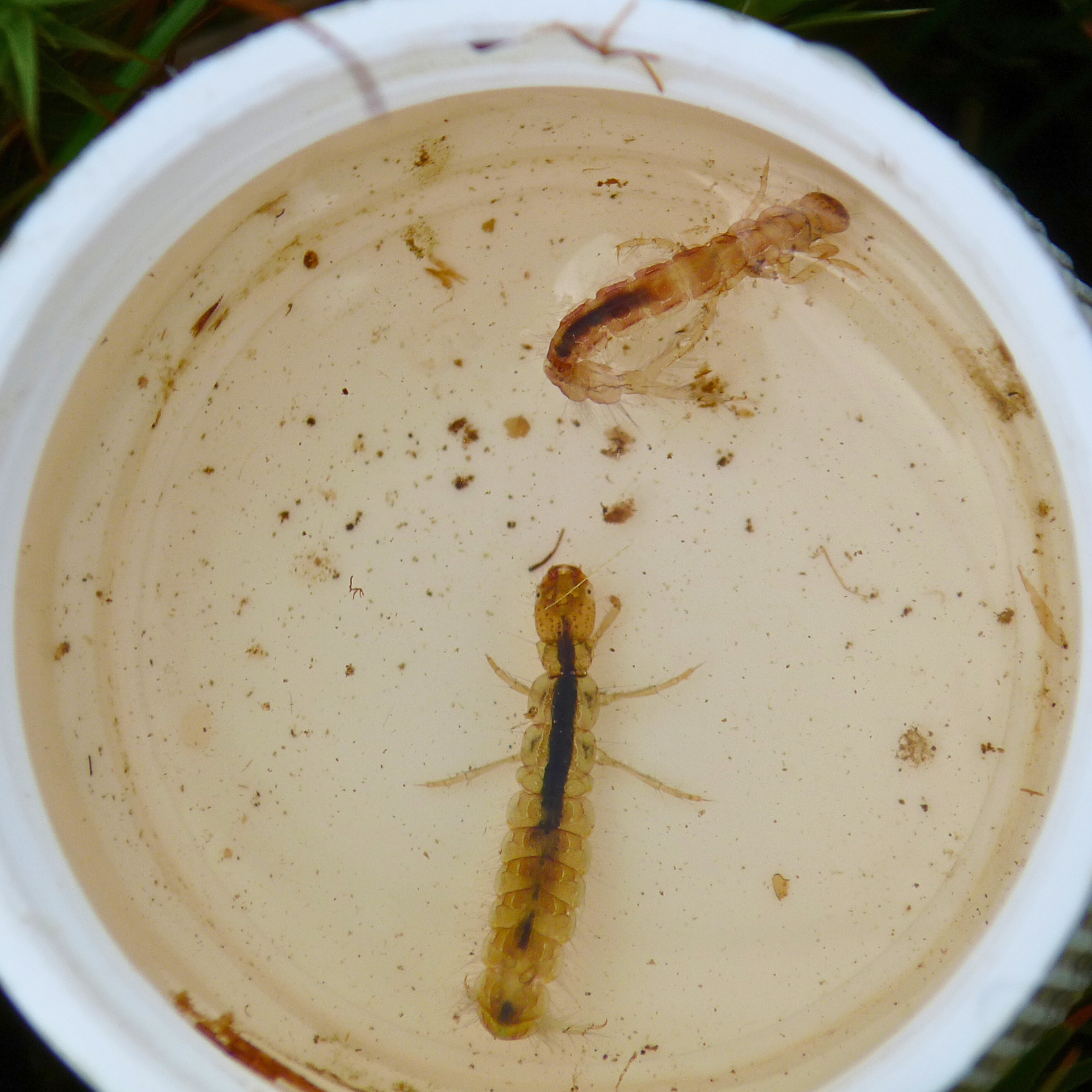
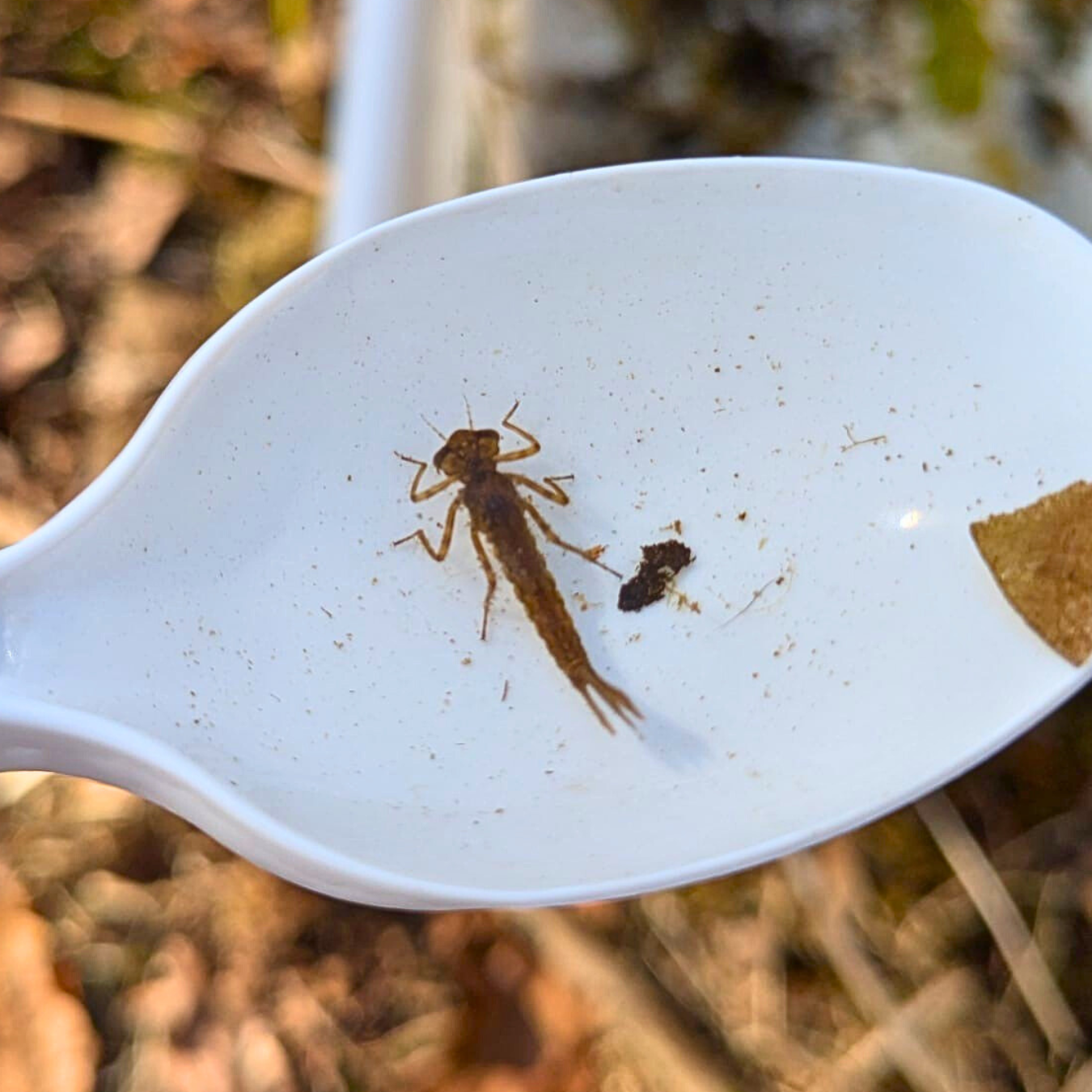
Lakefly monitoring in action, with image of Polycentropodidae (left) by Ian Wallace.
Helping communities monitor the health of our lakes
Lakefly is an exciting citizen science initiative led by the FBA in partnership with Natural England and funded through Defra's Natural Capital and Ecosystem Assessment (NCEA) programme.
The project enables volunteers to monitor the health of lakes by collecting and identifying freshwater invertebrates living in the shallow margins of lakes. These small aquatic animals are excellent indicators of environmental quality and provide important clues about the health of freshwater ecosystems.
Using a straightforward sampling method and an easy-to-learn identification guide, volunteers collect information that can help scientists detect pollution, monitor ecological change and improve understanding of lake ecosystems across the UK.
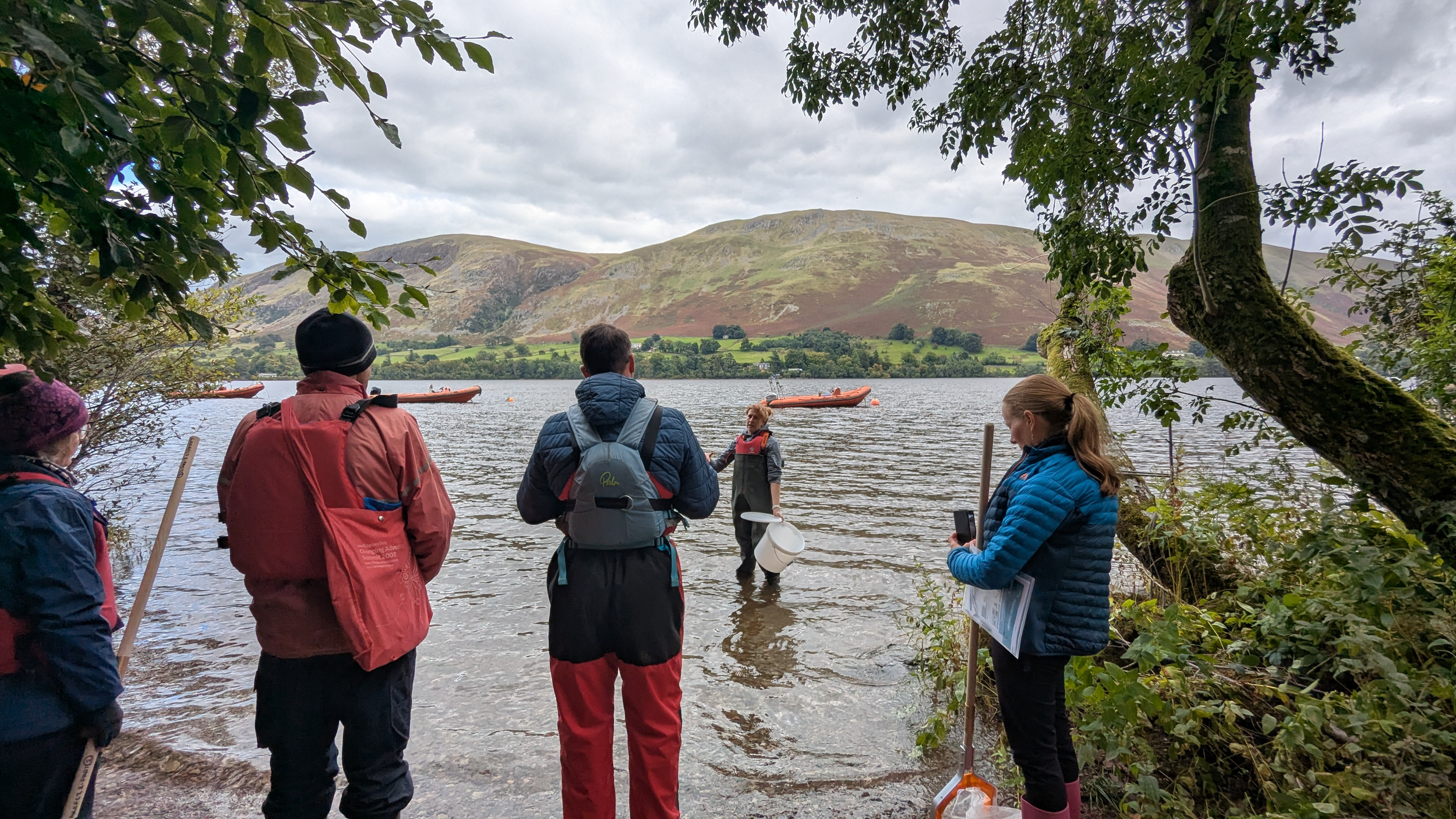
Ullswater Lakefly Training Day in September 2025.
Filling an important evidence gap
Although lakes provide essential habitats for wildlife, support biodiversity and supply valuable ecosystem services, they have historically received far less routine monitoring than rivers – particularly smaller or more remote lakes.
Lakefly has been developed to help address this gap by providing a simple, standardised method for monitoring lake macroinvertebrates. Adapted from the successful Riverfly citizen science approach, the methodology enables people with little or no previous scientific experience to contribute meaningful environmental data.
Over time, the project aims to build a long-term national dataset that will improve understanding of how lake ecosystems are changing and provide an early warning of declining water quality or other environmental pressures.
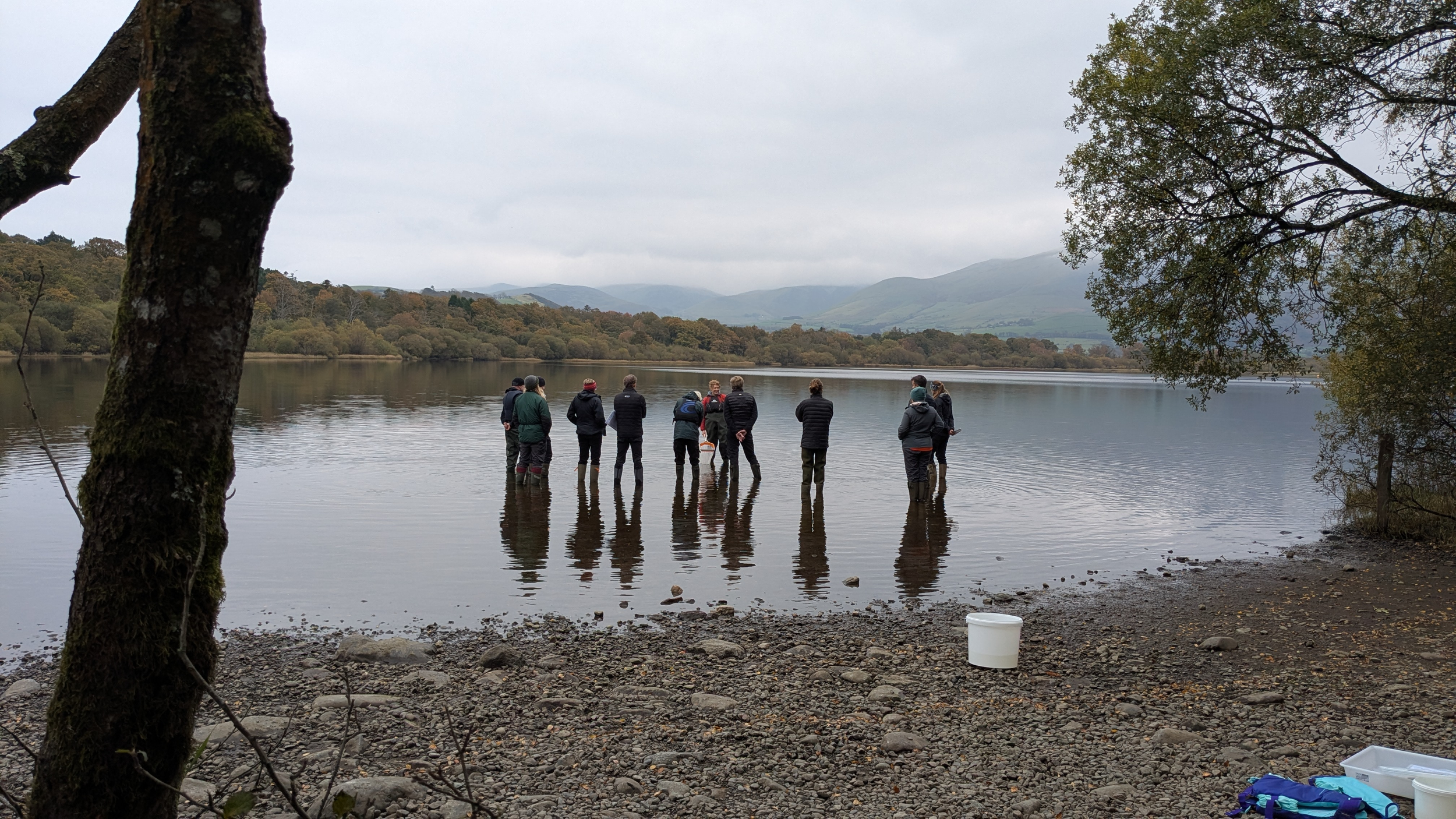
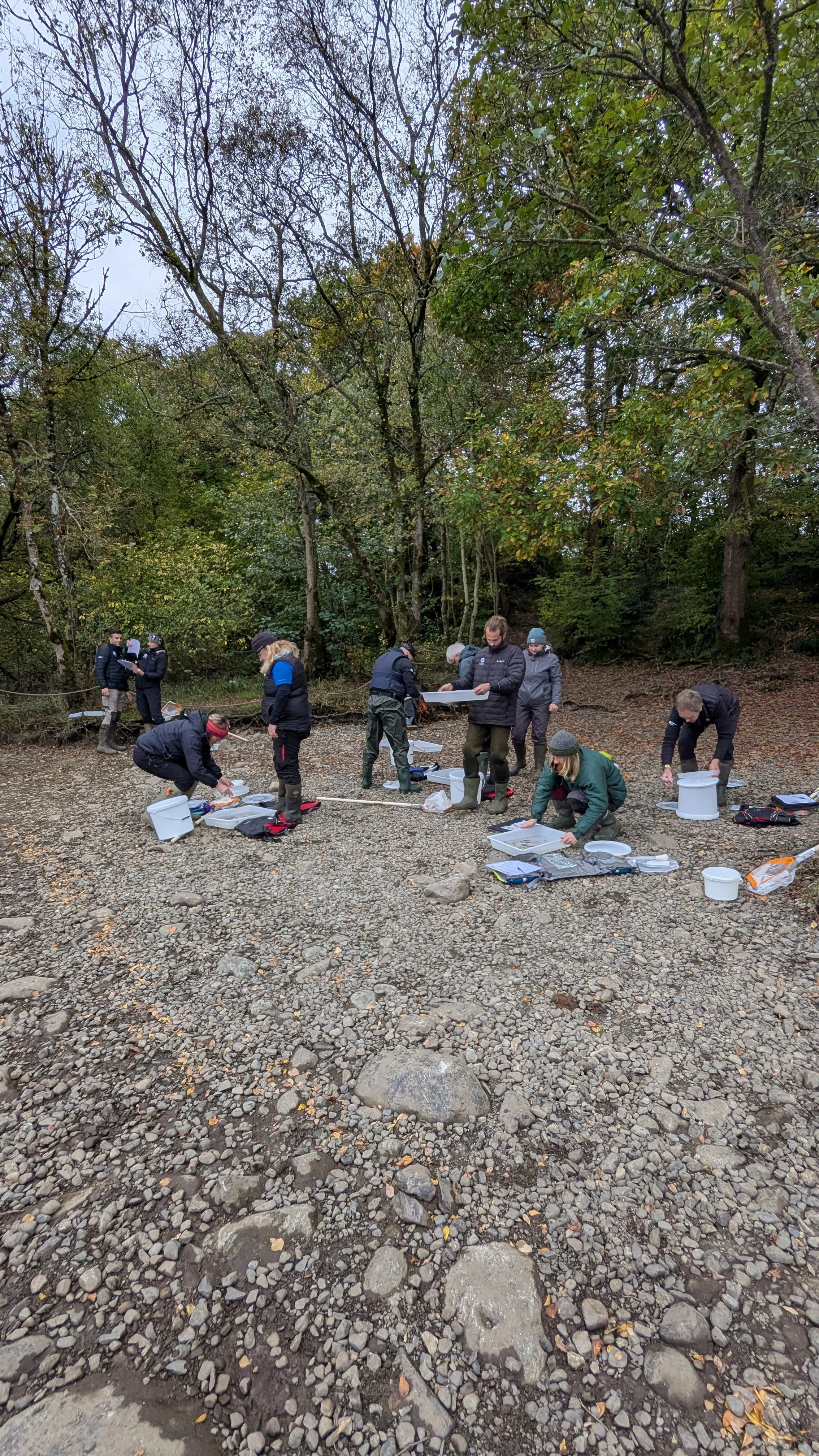
Bassenthwaite Lakefly Training Day in October 2025.
Strong foundations from the pilot programme
During 2025, volunteer groups across England took part in the first Lakefly pilot, carrying out monthly surveys between July and December.
The pilot tested the survey methodology, volunteer training and supporting resources while collecting valuable biological data from lakes. Just as importantly, it demonstrated strong enthusiasm from volunteers, providing confidence that Lakefly has the potential to become an important long-term citizen science programme.
Since the pilot concluded, volunteers have continued submitting surveys, while interest in future training has been expressed by groups across England, Scotland, Wales and, more recently, Northern Ireland.
Looking ahead
Although dedicated funding for expansion is not currently in place, Henry explained that the project is entering a period of consolidation rather than coming to an end.
“Lakefly is in stasis rather than closed. We don't currently have dedicated funding or staff, which means we can't run new training events or expand for the time being. What we can do is keep the existing network going, keep the data coming in, and use that as the foundation for the next stage.”
As part of this next phase, Lakefly records are being transferred to Cartographer – the same recording platform used by Riverfly volunteers. The new system provides a secure national database where volunteers can submit surveys, access their own records and contribute to a growing dataset that can be analysed more effectively by researchers.
The FBA is now working to secure funding that will allow Lakefly to expand its volunteer network while continuing the scientific research needed to better understand what Lakefly survey scores reveal about lake health.
Every survey counts
The continued commitment of volunteers remains central to the future of Lakefly.
While the pilot demonstrated that volunteers can successfully collect high-quality ecological data, a longer-term dataset covering multiple seasons and years is needed to fully understand how freshwater invertebrate communities respond to environmental change.
The FBA is encouraging volunteers to continue surveying and submitting their records through Cartographer as invitations are issued, emphasising that every survey strengthens the scientific evidence needed to support the future of the project.
“Every record adds to the picture, and the more months and seasons we cover, the more the data can tell us. This is the part that turns Lakefly from a promising pilot into something that stands up to scrutiny.”
Although there is currently no confirmed timeline for further funding, the enthusiasm shown by volunteers and the continued growth of the Lakefly network provide strong foundations for the future.
The Freshwater Biological Association will continue to keep volunteers updated as the project develops and new opportunities for expansion emerge.
“The FBA is heavily invested in Lakefly. It’s a great example of citizen science in action! During the pilot phase, we have made some great connections to people who care about freshwater ecosystems. Monitoring lake ecology is often under-resourced and Lakefly helps to fill critical gaps in knowledge with robust citizen science and data.
Securing sources of sustainable funding will enable the FBA to upscale the programme to unlock its full potential and meet the needs of volunteers. I’d like to thank Natural England, the Angling Trust, Buglife, the Environment Agency and Lake District National Park Authority for supporting the development of Lakefly and look forward to continued collaboration with this committed group of partnership organisations.”
Acknowledgments
The Lakefly pilot was led by the Freshwater Biological Association in partnership with Natural England. This project was developed and piloted with funding from the UK Government through Defra’s Natural Capital and Ecosystem Assessment Programme (NCEA).
Lakefly would not be where it is today without the generous support, expertise and enthusiasm of the many volunteers, partners and champions who have helped shape the project over the past year. Many thanks to the Lake District National Park Authority (LDNPA), the Angling Trust, and Friends of the Ullswater Way.
We would particularly like to acknowledge the support of:
Natural England: Dr Melanie Fletcher - Senior Specialist, Standing Waters.
NCEA: Citizen Science, Partnerships and Participation team: Amy Stocking - Higher Officer and Amy Pilsbury - Senior Officer.
Environment Agency: John Findlay - Citizen Science Coordinator and Arron Watson - Monitoring Officer.
Buglife: Dr Craig Macadam - Conservation Director.
Independent entomology consultant: John Davy-Bowker - freelance freshwater biologist.
Interested in discovering more?
Find out more about the Lakefly citizen science project and explore useful resources.
If you are a Lakefly citizen scientist and would like to be invited to the Cartographer database so you can upload your survey data, please complete the form on the Lakefly data submission page – thanks!