The Freshwater Biological Association of the British Empire – A colonial story of ambition and changing names
14 October, 2025
By Catherine Duigan, cad95@aber.ac.uk
Catherine Duigan is an FBA Fellow, an honorary Professor of Environmental Science at Aberystwyth University and an independent environmental consultant, researcher and writer living in Wales. In this article, Catherine explores the significance of recently discovered records of the early history of the FBA.
Edited by Rachel Stubbington, Nottingham Trent University
Rachel is both a Fellow of the Freshwater Biological Association and long-standing Editor of FBA articles. If you would like to submit an article for consideration for publication, please contact Rachel at: rachel.stubbington@ntu.ac.uk
Introduction
In the 1920s, the British Empire had reached its peak with the natural resources of vast areas of the world open to investigation and exploitation. Science played an important role in this geo-political context. The establishment of the FBA during this decade needed to consider any links or opportunities related to the wide range of governmental interests and ambitions at home and abroad. At the UK National Archives in Kew (Figure 1), a file (90231) kept by the Colonial Office (which was merged into the Commonwealth Office in 1966), reveals the required consultations with other government departments and agencies—and provides important insights into the application process which led to the founding of the FBA. The “Freshwater Biological Asscn. of the British Empire” is carefully inscribed in black fountain pen ink on its blue cover. Adding to the sense of importance, the title is underlined in red ink.
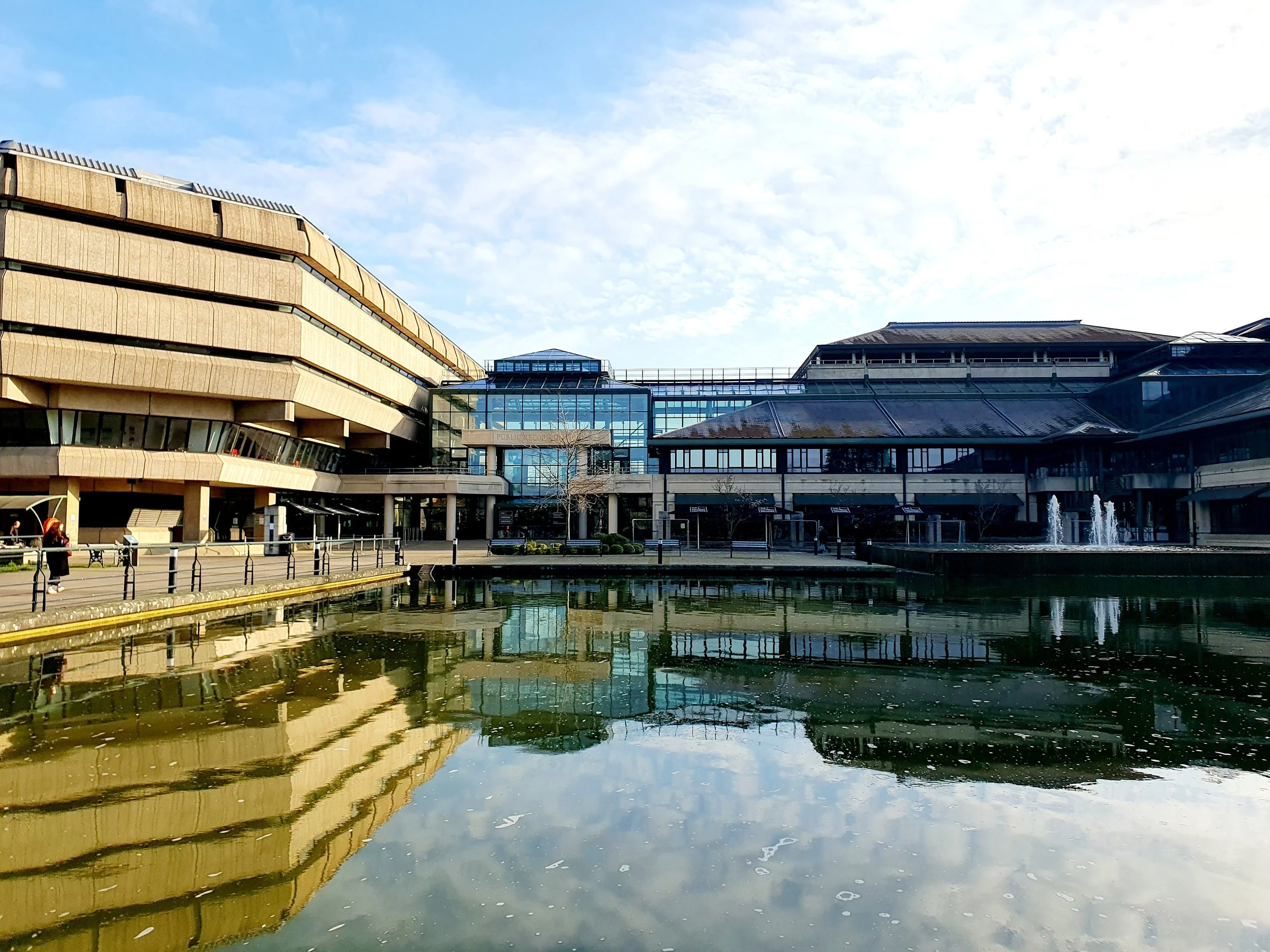
Figure 1. The UK National Archives in Kew – an important source of environmental history (Photo credit C. Duigan).
Adding Empire to the name
The FBA had requested the inclusion of the words “British Empire” in its name and government approval was required as part of registration under the Companies Act, 1929. Also, because the FBA was formed for the promotion of science, it did not want to use “limited”. The handwritten file summary note (dated 14 January 1932) describes the debate which subsequently took place within government and how a resolution was found.
The Colonial Office made their position clear: their interest in the FBA “for the present at least – is very small”. They had told the Empire Marketing Board that it would be premature to recommend the FBA for a grant from the Board, and it was therefore not interested to see “British Empire” used in its name. The officials also concluded that the FBA had made no serious attempt to enlist members from the Overseas Dominions since it had started to operate in 1929. Also, no provision was made for any overseas membership of the FBA or its Council.
The Treasury’s support and interest in the FBA was confined to its likelihood “to influence the development and improvement of freshwater fisheries in Great Britain”, demonstrating that at that time the government recognised native fish populations as a useful and exploitable natural resource worthy of scientific research. Also, the FBA had been promised a grant from the Treasury’s Development Fund to support the maintenance of a laboratory on Windermere “on the distinct understanding that the results of it researches are to be available for authorities in other parts of the Empire”.
It was decided that although FBA’s operations did not appear to justify the use of Empire in the registered name, The Secretary of State of the Home Office would “raise no objection to registration under the proposed title” and this position was set out in a memo to The Comptroller of the Board of Trade. The organisation subsequently became “The Freshwater Biological Association of the British Empire” on its Memorandum, Articles of Association and publications (Figure 2). The FBA archive today has artefacts dating back almost one hundred years, including a secure box from this early period in its history (Figure 2).
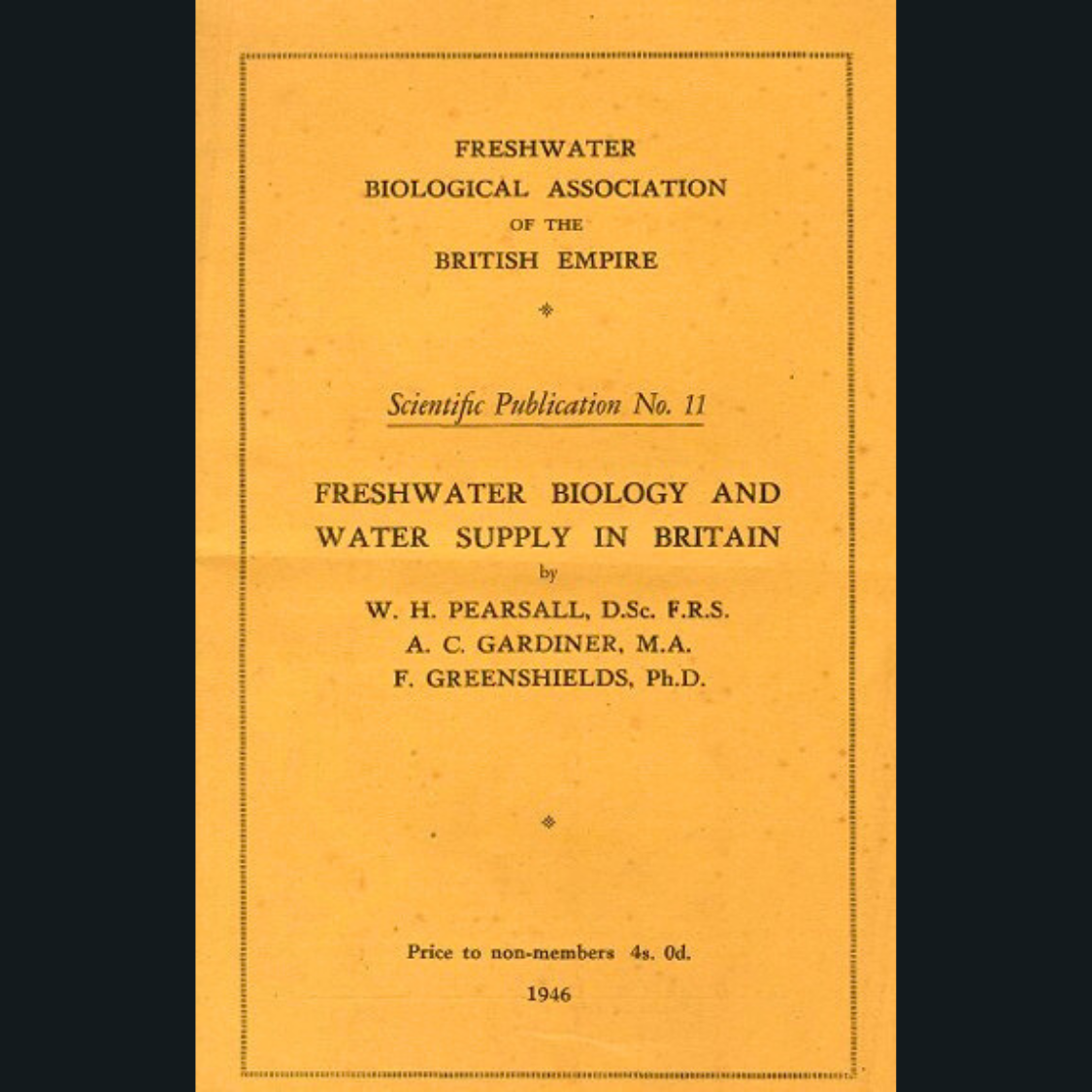
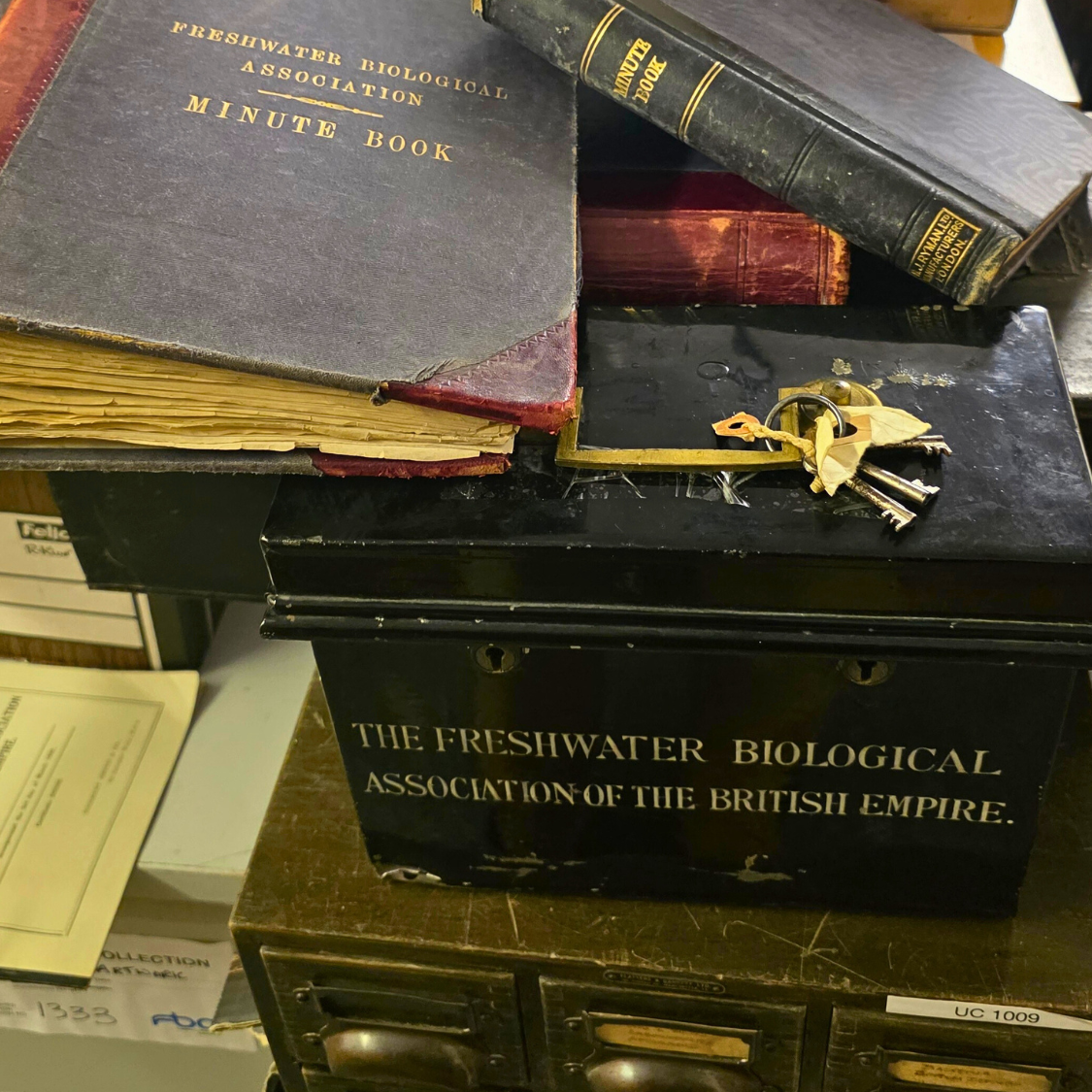
Figure 2. Left: example of a scientific report published by the “Freshwater Biological Association of the British Empire” in 1946; right: the “Freshwater Biological Association of the British Empire” box from the FBA archive.
Insight into the FBA’s founding figures, facilities and finances
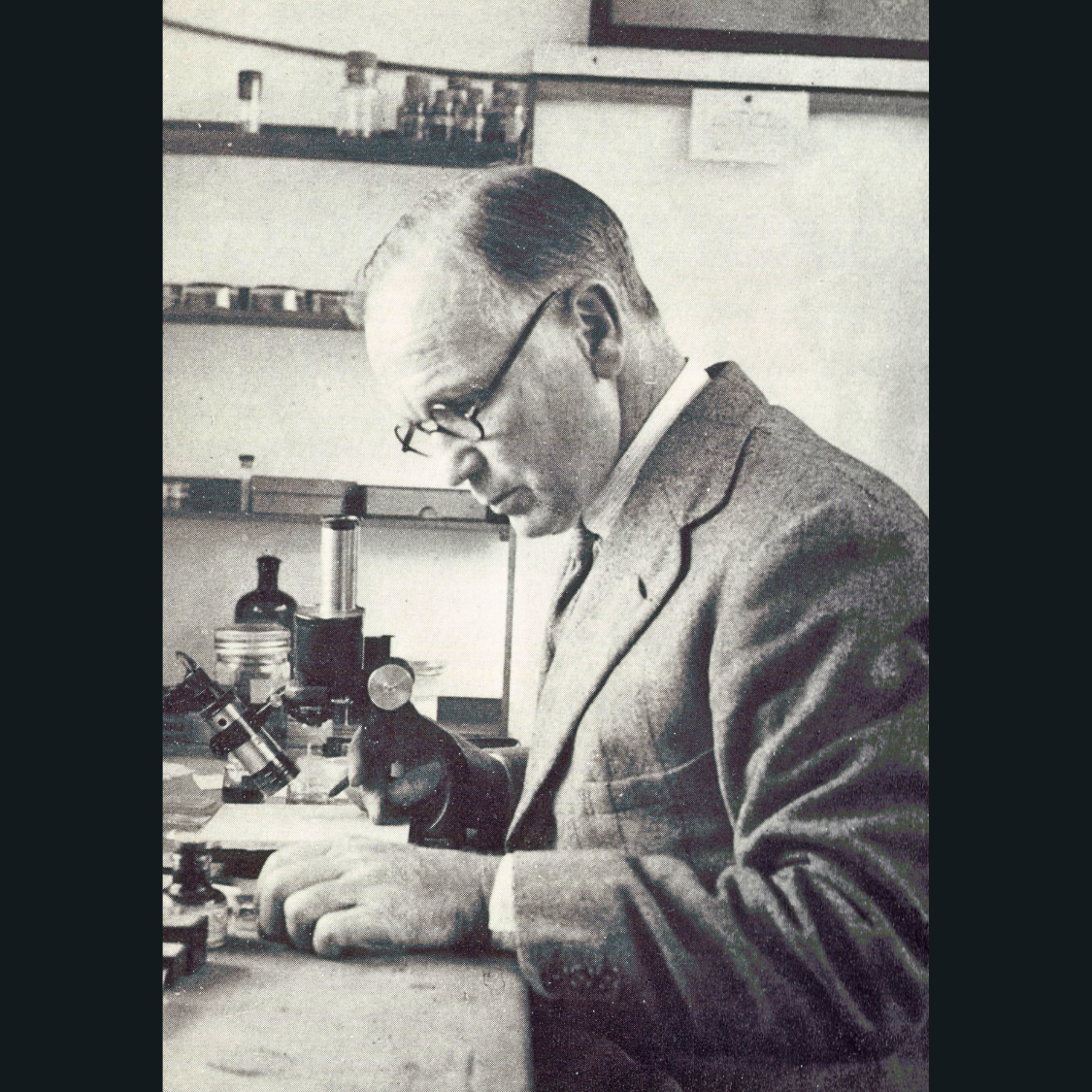
The documentation which accompanied the company registration application reveals some of the key individuals, organisations and resources supporting the FBA during its early years. Recently retired water beetle expert William (Frank) Balfour-Browne (1874–1967; Figure 3) was uniquely qualified to lead the application process on the FBA’s behalf, assembling the supporting evidence and communicating with solicitors. In 1896, he graduated from Oxford with a BA in botany but then went on to qualify as a barrister, returning to science in the late 1890s.
By summer 1931, the FBA had established its “principal Research Station” at Wray Castle (Figure 4) on Windermere, with requisite staff. This location was secured by “the collection of the necessary funds for its establishment and upkeep and the continuation and enlargement of the work of the Board of Trade”.
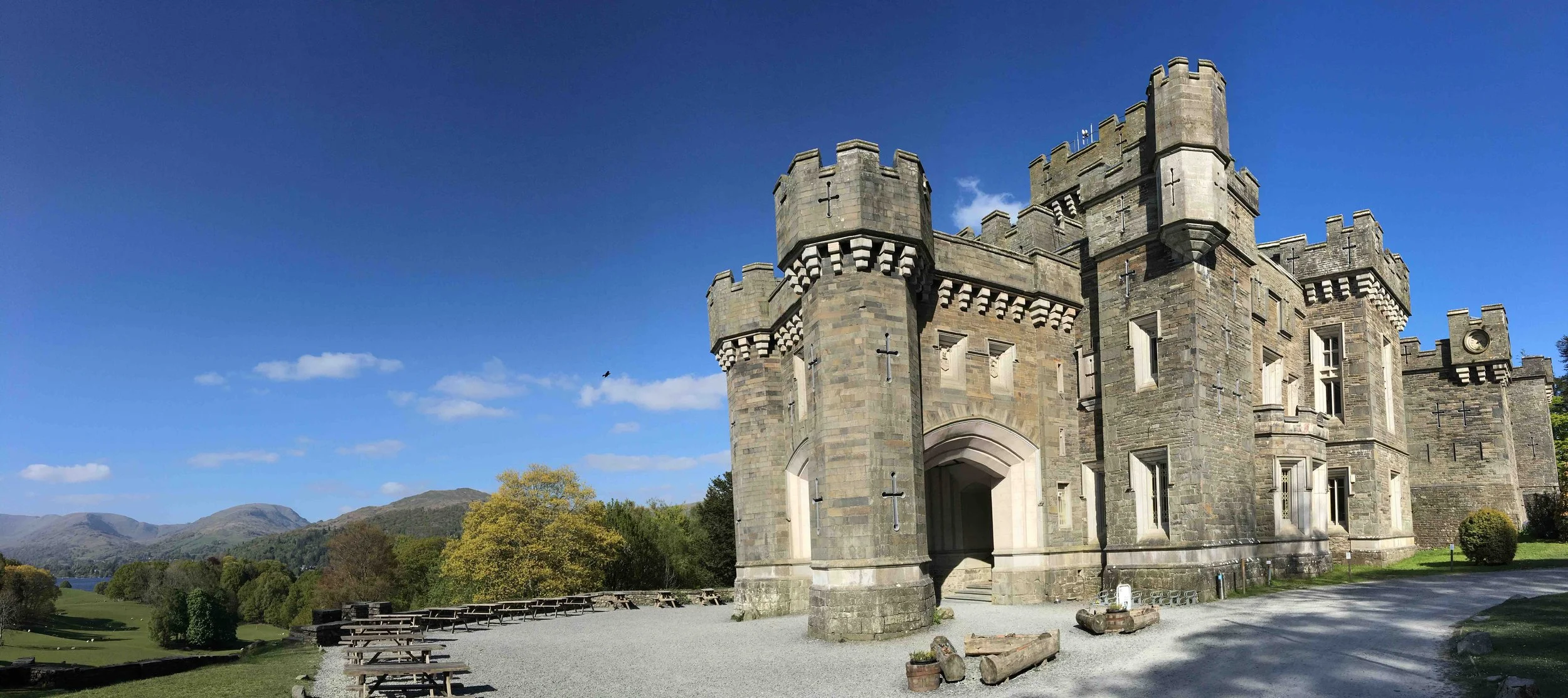
Figure 4. Wray Castle on Windermere in the Lake District, Cumbria. Today it is a National Trust property.
The FBA’s income included individual subscription fees which totalled £88 in 1930 and £22 in 1931, with an additional £200 from one founder and five life member subscriptions. Special contributions amounting to £186 were “promised for 3 years” from Fishmongers Company, Manchester Water Board, Metropolitan Water Board and the Ecological Society. An equipment Endowment Fund was established with additional financial support promised by The Royal Society, Fishmongers Company, British Association and a personal contribution (£25) from Balfour-Browne. Details were also given of the Treasury grants approved (£450) and conditionally promised (£600). The application package was completed by a letter from the Chief Engineer of the Manchester City Corporation Water and a report of a 1930 conference at Fishmongers Hall. The documents may have presented a modest scientific and financial enterprise, but the wider British scientific community and key commercial interests supported the FBA’s establishment and ambitions.
Empire opportunities and changing perspectives
Many scientific societies and organisations in Britain are evaluating their involvement in colonial history, so it is important to understand the FBA’s wish, at that time, to be identified with the British Empire. Although not initially seen as a promising contributor to imperial scientific developments, the FBA had an apparent founding ambition to conduct research across areas ruled or administered by the UK. The records held by the UK National Archives suggest that associations with Empire expanded the range of funding sources for scientific endeavours, and the FBA went on to make significant early contributions to the freshwater ecology of some globally important waterbodies, especially in Africa and South America. For example, the Colonial Office funded and published research on cichlids and other fish, and the fisheries of Lake Nyasa (now Malawi) by Lowe (1952) and Fryer (1959).
Eventually, economic and political change before and after World War Two precipitated the decline in British international power, with independence following for former colonies. Adapting to this situation, at its 1949 Annual General Meeting, a special resolution changed the FBA’s name again by omitting the words “of the British Empire”. A certificate (No. 263162) recording the name change was issued by the Register of Companies on 5 August 1949.
Today, the FBA’s historic connection to the British Empire generates the potential to pursue environmental history research that explores its activities in former colonial regions, and to reexamine its influence on the management of internationally outstanding freshwater ecosystems. Also, the personal records of travel and events witnessed while conducting overseas research provide valuable insights into contemporary perspectives and other environmental, social and political changes (Lowe-McConnell 2006; Kelly & Duigan 2022; Harper, 2024).
Learning from the past can also generate aspirations for the future, especially in terms of supporting and encouraging FBA members in current UK Overseas Territories and Crown Dependencies, and new international and interdisciplinary research collaborations. Food for thought as the FBA approaches its centenary!
Acknowledgements
Garth Foster kindly supplied the photograph of Frank Balfour-Browne. Helpful comments from David Harper and Glen George greatly improved the article.
References
Fryer, G., 1959. The trophic interrelationships and ecology of some littoral communities of Lake Nyasa with especial reference to the fishes, and a discussion of the evolution of a group of rock-frequenting Cichlidae. Proceedings of the Zoological Society of London 132: 153–281. https://doi.org/10.1111/j.1469-7998.1959.tb05521.x.
Harper, D., 2024. The sad tale of Lake Naivasha, Kenya: a mountain of underused knowledge? [online]. Freshwater Biological Association. Available here.
Kelly, M. and Duigan, C., 2022. Geoffrey Fryer’s impressive half century. Freshwater Biological Association. Available here.
Lowe, R.H., 1952. Report on the tilapia and other fish and fisheries of Lake Nyasa. HMSO, London. Available via http://hdl.handle.net/1834/32855.
Lowe-McConnell, R., 2006. The Tilapia Train: The Life Story of a Fish Biologist. MPM Publishing, Ascot. 296 pp.
Further FBA reading
The Freshwater Biological Association publishes a wide range of books and offers a number of courses throughout the year. Check out our shop here.



Get involved
Our scientific research builds a community of action, bringing people and organisations together to deliver the urgent action needed to protect freshwaters. Join us in protecting freshwater environments now and for the future.

NEW COURSE: Pond Restoration Training: North West England on 6 & 7 July 2026. From £250.00
Ponds are increasingly recognised as critical features for biodiversity conservation across UK landscapes. This two-day course will introduce participants to the science and best practice of pond restoration.
Helen Greaves of the Pond Restoration Research Group at University College London (UCL) is a co-founder of the Norfolk Ponds Project (NPP) and Executive Director of the NPP Community Interest Company (CIC). With over 15 years’ experience restoring ponds and researching their ecological recovery, and following publication of the recent Guide to the Restoration, Creation and Management of Ponds, Helen is keen to share key lessons and practical insights from both the UCL and NPP teams.
The course will include a combination of lectures, workshops, and field visits focused on the restoration of degraded overgrown ponds and in-filled “ghost ponds”.
Participants will be introduced to the scientific evidence underpinning pond restoration, including the benefits for freshwater and terrestrial biodiversity. The course will also cover the key DOs and DON’Ts of restoration, including pond selection and important considerations during the restoration process.
Field visits will explore two contrasting pond landscapes typical of West Lancashire. One site is situated within a lowland floodplain landscape, while the other lies within a higher arable setting adjacent to a nature reserve. These visits will provide an opportunity to compare ponds across different land uses, including farmland and conservation-focused landscapes. Participants will consider how landscape context influences restoration potential, management approaches, and ecological outcomes, including the specific challenges and opportunities associated with restoring existing ponds and resurrecting ghost ponds.
The course will also address approaches to engaging landowners, farmers, and local communities in pond conservation, alongside practical routes for securing funding to support restoration work.
Participants on all FBA courses must be 18 years and above.
Location: West Lancashire (near Ormskirk)
Tutor: Helen Greaves
Price: £275 for non-members, £250 for members
Please click on the following link to download and complete the booking form then email to info@fba.org.uk: FBA Courses Booking Form.docx
TO AVOID POSTAL CHARGES PLEASE SELECT ‘PICK UP’ OPTION AT CHECKOUT.
Please note: Payment must be made in full via the website in order to secure your place on this course.