
Ecological status of Scottish freshwater lochs using phytoplankton – a 2025 snapshot
5 June, 2026
Dr. Jan Krokowski, Scottish Environment Protection Agency.
Jan is a Senior Specialist Ecologist at the Scottish Environment Protection Agency (SEPA) working within the Ecology Assessment Unit (Field Science and Operations) specialising in freshwater ecology, eutrophication, and algal and cyanobacterial science. When not looking down the microscope, he leads on development and application of robust ecological evidence to inform regulation, policy and strategic direction, responding to complex environmental challenges and translating science into clear, actionable evidence.
Introduction
Scotland’s freshwater lochs are among the country’s most important natural assets, supporting amongst other things biodiversity, drinking water supplies, fisheries, hydropower generation, and recreation. There are more than 25,615 fresh waterbodies in Scotland with surface area greater than 0.01km2 (Hughes et al., 2004), ranging from large deep lochs such as Loch Lomond and Loch Ness to smaller shallower upland and lowland lochs.
Lochs are highly sensitive to environmental change. Pressures include nutrient enrichment, climate change, land-use intensification, invasive species, and altered hydrology, which can all significantly affect ecological condition and water quality. Climate change poses an imminent threat, and past work has highlighted climate change impacts to water quality (May et al 2022) and outlined mitigation impacts (May et al 2024). Loch monitoring is therefore essential to understand ecosystem health, identify emerging risks, and to support evidence-based environmental management.
Phytoplankton monitoring forms a central component of freshwater loch ecological assessment undertaken by Ecology Assessment of the Scottish Environment Protection Agency (SEPA). SEPA’s monitoring programmes support the implementation of the Water Environment and Water Services (Scotland) Act and the objectives of the European Union Water Framework Directive, which require the classification of ecological status and their protection in surface waters. Routine sampling and analysis of phytoplankton data enable the assessment of eutrophication pressures, the identification of deteriorating water bodies, and the evaluation of restoration measures. Monitoring outputs are integrated with physicochemical and hydromorphological datasets to provide a comprehensive understanding of loch condition across Scotland.
Figure 1. Location of selected lochs sampled in 2025.
Results
75% of lochs monitored during 2025 were <10km2 in surface area (Figure 2a) and 68% of low volume, <100 x106m3 (Figure 2b). A third of the lochs were deep (>15m mean depth), half shallow (mean depth 3-15m), and only 5 were classed as very shallow (<3m) (Figure 2c). Most lochs were low alkalinity waterbodies, with a quarter at medium alkalinity and only a fifth at high alkalinity (Figure 2d).
Figures 2a-2d. 2025 loch summary for surface area (2a), volume (2b), mean depth (2c), and mean alkalinity (2d).
Figure 2a. 2025 loch summary for surface area.
Figure 2b. 2025 loch summary for volume.
Figure 2c. 2025 loch summary for mean depth.
Figure 2d. 2025 loch summary for mean alkalinity.
Chlorophyll-a
In terms of chlorophyll-a, a measure of total phytoplankton biomass, lochs showed a wide spread of biomass ranging from the lowest annual mean of 2 µg/l (at limit of detection) in Loch Garry (Invergarry), Loch Shiel and Loch na Thull to the highest annual mean value of 21 µg/l in White Loch (Galloway) in 2025, Figure 3. Most lochs showed an annual mean chlorophyll <3 µg/l and can be classed as low productivity systems, with 7 which could be classed as high productivity systems based on their annual mean chlorophyll levels of between 7-30 µg/l (Lochs Rescobie, Ore, Leven, Strathbeg, Kinord, Gelly and White Loch (Galloway)).
Figure 3. Summary of mean annual chlorophyll (total phytoplankton biomass) for subset of lochs from 2025.
Phytoplankton biovolume
Examining the mean phytoplankton biovolume (mm3/l) over the period July-September 2025 highlighted the majority of lochs with very low total phytoplankton biovolume <0.02 mm3/l, Figure 4. White Loch Galloway showed the highest mean total phytoplankton biovolume of 0.117 mm3/l. Putting these data into context, Scottish lochs were at the lower end of biovolumes as reported from other more productive European waterbodies (Rucker et al 2019, Bergkemper et al 2018). Spatial variation reflected environmental gradients, with upland lochs exhibiting very low biomass, while lowland systems showed greater variability.
Figure 4. Mean phytoplankton biovolume (July-September) for subset of lochs from 2025.
As expected, there was a strong positive correlation between chlorophyll-a (biomass) and phytoplankton biovolume, with higher chlorophyll-a corresponding to higher biovolumes. Examining mean chlorophyll (July-Sept) against mean biovolume (July-Sept) highlighted a strong positive correlation (R2 0.465, Pearson correlation 0.68, p<0.001). The relationship however was not perfect since some lochs showed very variable chlorophyll-a across the years with very large variation (data not shown but available on request). Different phytoplankton species composition also affects biomass per unit chlorophyll, with smaller cells such as small diatoms, and small flagellates having a higher surface area:volume ratio and low chlorophyll. Larger diatoms and green algae are likely to have moderate chlorophyll content, and Cyanobacteria may often have lower chlorophyll per unit biovolume. Many factors influence this relationship further such as cell size and morphology, light, temperature, nutrients and algal growth rates. Cell size differences can also increase biovolume without a proportional increase in chlorophyll.
Figure 5. Correlation between mean chlorophyll-a (phytoplankton biomass) and mean phytoplankton biovolume (July-September 2025) for subset of lochs from 2025.
Phytoplankton ecological status - PLUTO
In 2025 most lochs were classified at High ecological status with high confidence where multi-year data are available, and only White Loch (Galloway) was classified at Good ecological status.
Further work is ongoing to highlight specific trends in biovolumes at selected waterbodies, and initial results from majority of lochs highlight community composition dominated by green algae, diatoms and cryptophytes, with cyanobacteria generally present at low abundance overall. Spatial variation will reflect environmental gradients, with upland deep lochs likely exhibiting very low species composition and biovolumes, while lowland shallow systems showing greater variability in biovolumes.
Conclusions
The predominance of High ecological status reflects the natural oligotrophic character of Scottish lochs, with multi-year data sets providing a robust assessment of ecological status. Although most lochs remain in High status, climate change may alter phytoplankton dynamics with changes in precipitation and temperature increasing nutrient inputs, and with increasing light favouring cyanobacterial growth. Phytoplankton assessment therefore provides a direct measure of eutrophication pressure and supports management decisions, leading to protection of high-status waters with targeted management of more productive systems as key priorities.
The current snapshot provided an insight into phytoplankton biomass and biovolume of Scottish freshwater lochs which are largely in High ecological condition, supported by low phytoplankton biomass. PLUTO assessment framework provides a robust approach to classification, particularly where multi-year data are available, with continued monitoring essential to maintain confidence and detect emerging pressures.
A not too uncommon sight – some cyanobacterial blooms from Scottish lochs.
A cyanobacterial bloom on a Scottish loch.
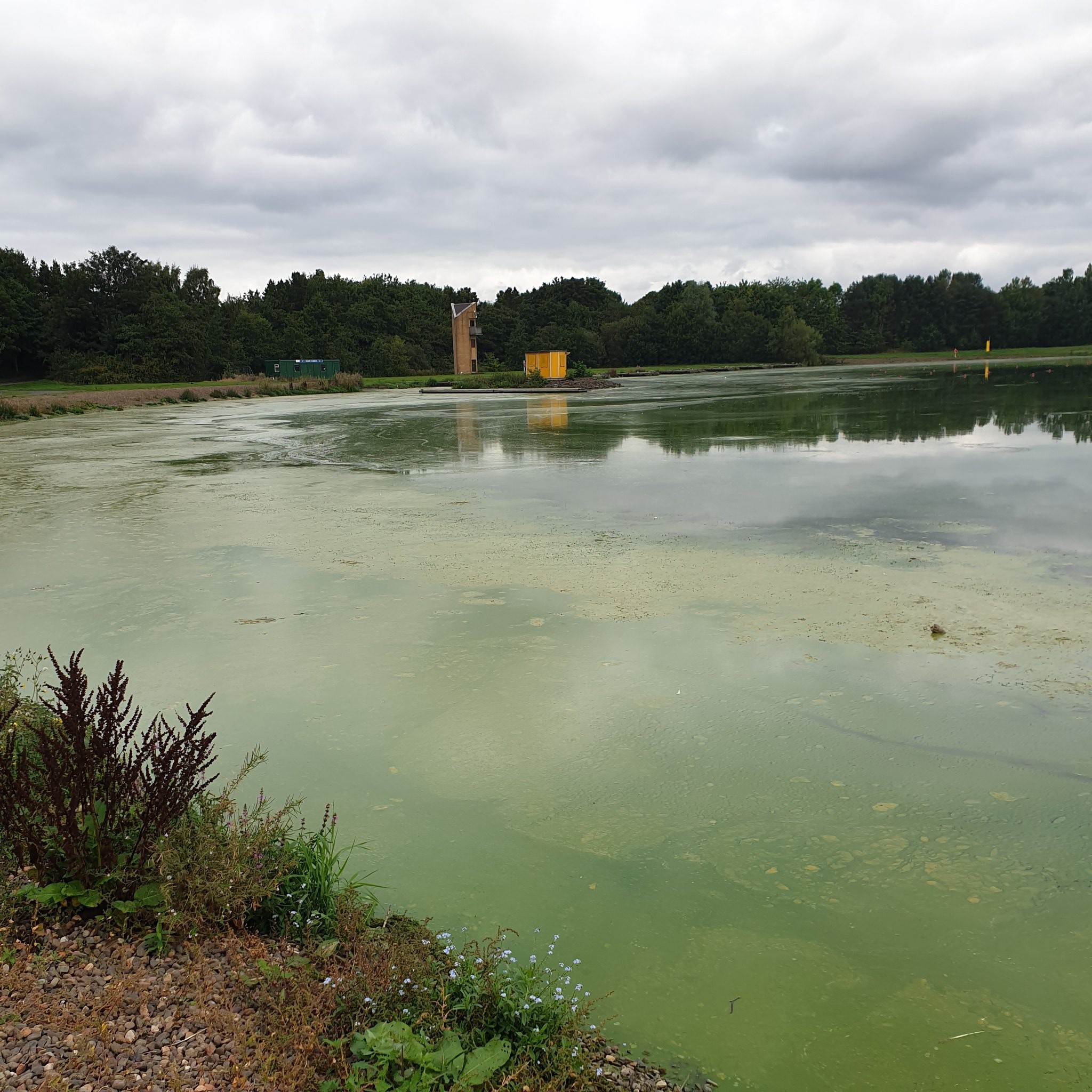
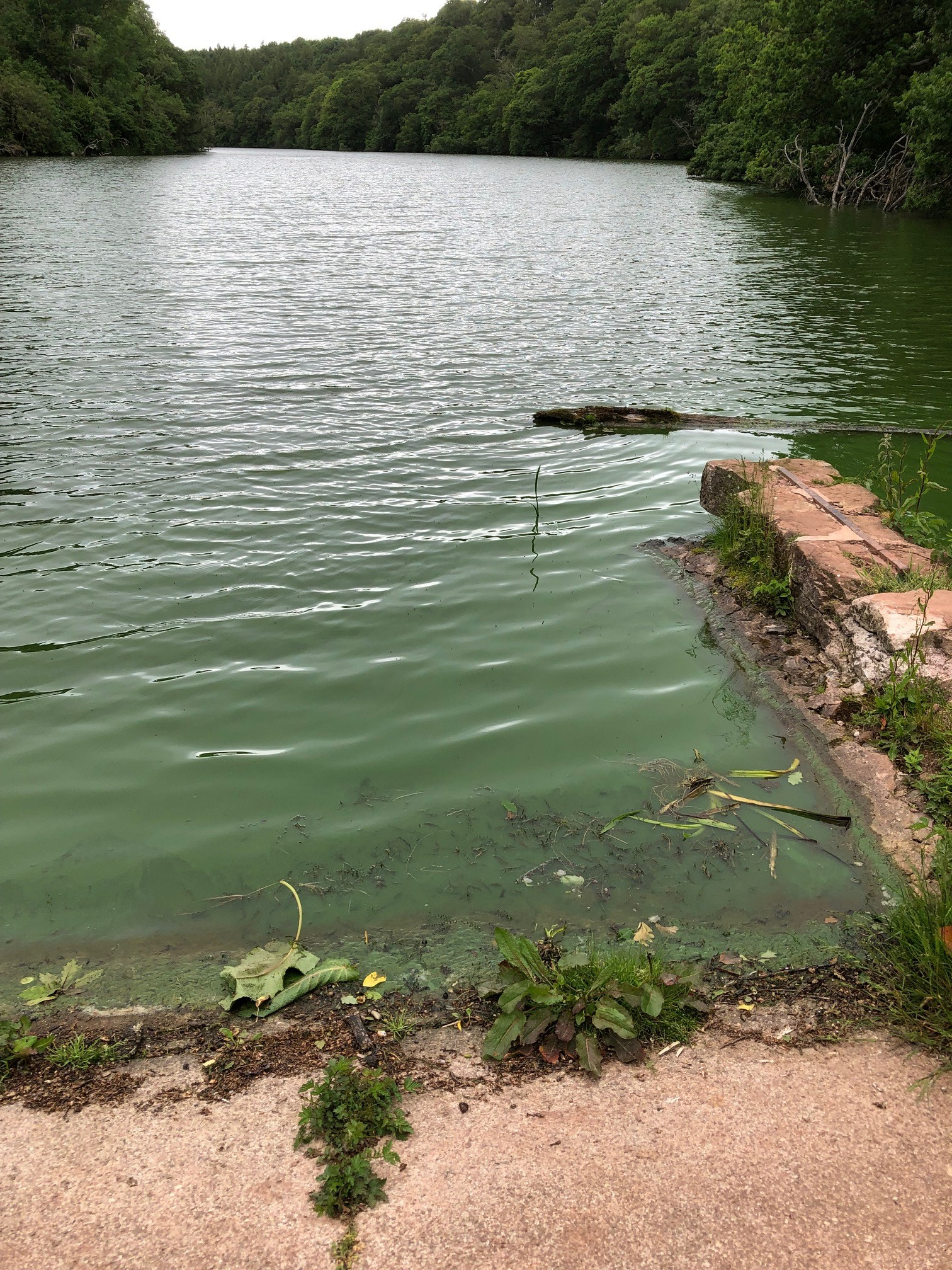
Some cyanobacterial blooms from Scottish lochs.
What you see is what you get – some common freshwater phytoplankton from Scottish lochs.
As seen under the microscope preserved with Lugol’s iodine under various magnifications.
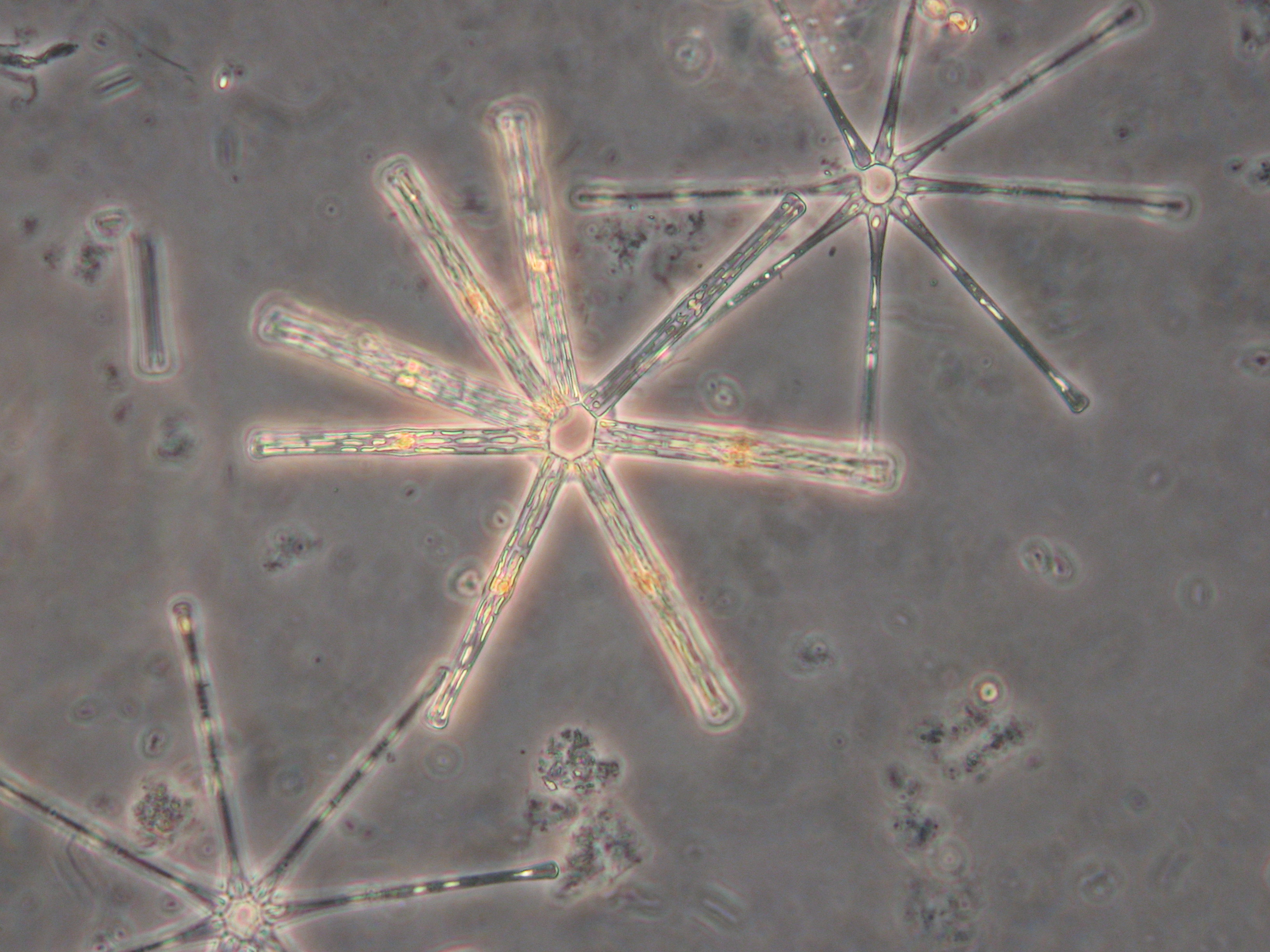
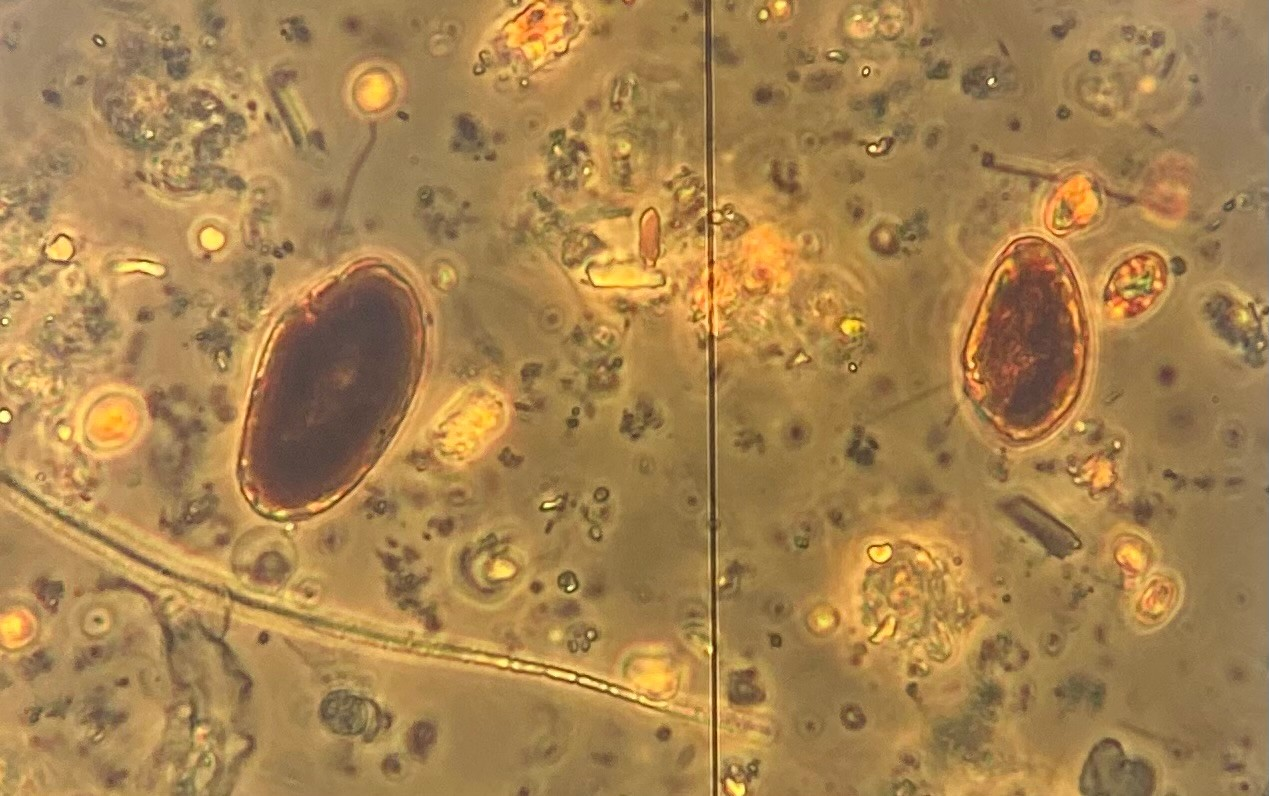
Phytoplankton from Scottish lochs. Diatoms: Asterionella formosa and Tabellaria fenestrata var. asterionelloides (left). Cryptophyta: Cryptomonas spp. (right).
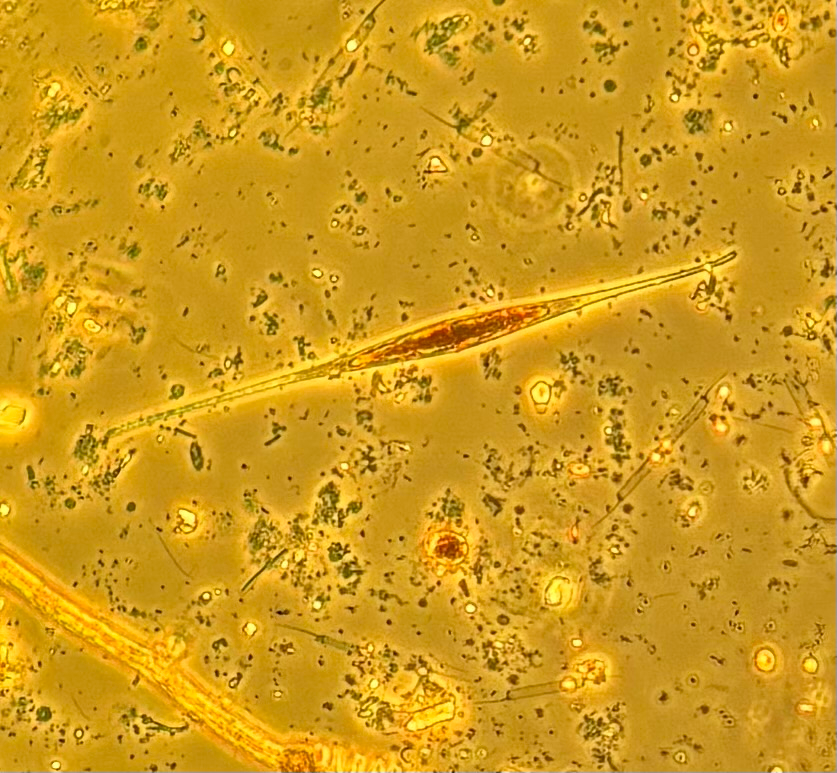
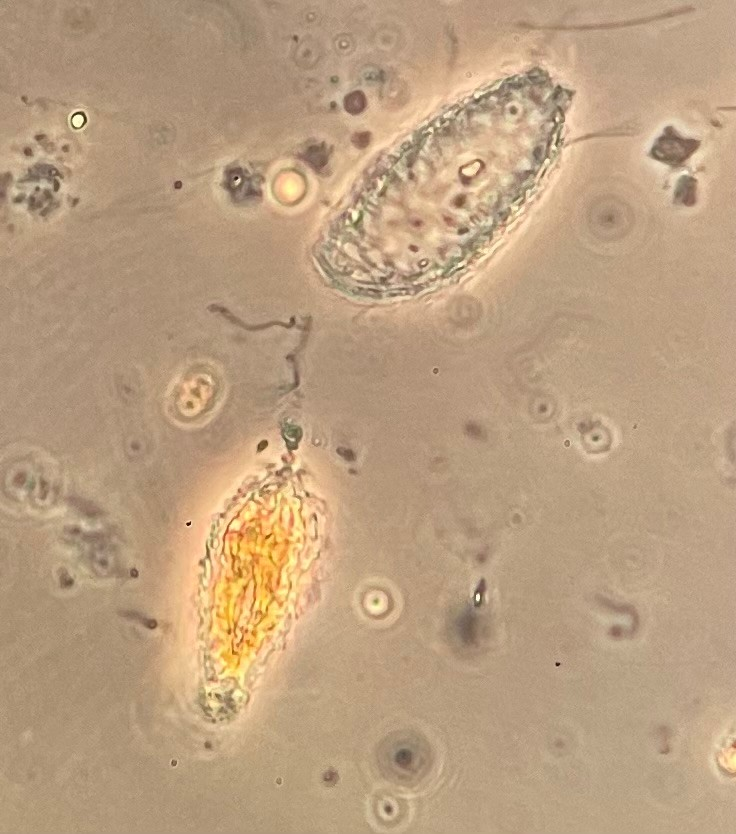
More microscopic images of phytoplankton from Scottish lochs. Desmid: Closterium kuetzingii (left). Chrysophyta: Mallomona sp. (right).
References
Bergkemper, V., Weisse, T. Do current European lake monitoring programmes reliably estimate phytoplankton community changes?. Hydrobiologia 824, 143–162 (2018). https://doi.org/10.1007/s10750-017-3426-6
Brierley B, Carvalho L, Davies S and Krokowski J (2007) Guidance on the quantitative analysis of phytoplankton in freshwater samples. UKTAGv1 2007. WFD Phytoplankton Counting Guidance
Linda May, Philip Taylor, Stephen Thackeray, Bryan Spears, Iain Gunn, Erica Zaja, Lily Gouldsbrough, Megan Hannah, Miriam Glendell, Zisis Gagkas, Mads Troldborg, Michaela Roberts, Kerr Adams. (2024) Mitigating Climate Change Impacts on the Water Quality of Scottish Standing Waters project summary. CRW2022_03. Scotland’s Centre of Expertise for Waters (CREW). crew.ac.uk/publication/mitigating-climate-change-phase-2
Linda May, Philip Taylor, Iain D. M. Gunn, Stephen J. Thackeray, Laurence R. Carvalho, Peter Hunter, Mairéad Corr, Anne J. Dobel, Alanna Grant, Gemma Nash, Emma Robinson and Bryan M. Spears (2022). Assessing climate change impacts on the water quality of Scottish standing waters. CRW2020_01. Scotland’s Centre of Expertise for Waters (CREW). Available online with Main Report at: www.crew.ac.uk/publication/assessing-climate-change-impacts-water-quality-scottish-standing-waters
Rücker J, Nixdorf B, Quiel K, Grüneberg B. North German Lowland Lakes Miss Ecological Water Quality Standards—A Lake Type Specific Analysis. Water. 2019; 11(12):2547. https://doi.org/10.3390/w11122547
UKTAG 2014. UKTAG Lake Assessment Method Phytoplankton July 2014. ISBN: 978-1-906934-47-7. UKTAG Lake Assessment Methods
The views expressed are those of the author.
Dr. Jan Krokowski, Scottish Environment Protection Agency, Angus Smith Building, Unit 6, 4 Parklands Avenue, Holytown, Motherwell, ML1 4WQ, Scotland.
Further FBA reading
The Freshwater Biological Association publishes a wide range of books and offers a number of courses throughout the year. Check out our shop here.





Get involved
Our scientific research builds a community of action, bringing people and organisations together to deliver the urgent action needed to protect freshwaters. Join us in protecting freshwater environments now and for the future.

NEW COURSE: Pond Restoration Training: North West England on 6 & 7 July 2026. From £250.00
Ponds are increasingly recognised as critical features for biodiversity conservation across UK landscapes. This two-day course will introduce participants to the science and best practice of pond restoration.
Helen Greaves of the Pond Restoration Research Group at University College London (UCL) is a co-founder of the Norfolk Ponds Project (NPP) and Executive Director of the NPP Community Interest Company (CIC). With over 15 years’ experience restoring ponds and researching their ecological recovery, and following publication of the recent Guide to the Restoration, Creation and Management of Ponds, Helen is keen to share key lessons and practical insights from both the UCL and NPP teams.
The course will include a combination of lectures, workshops, and field visits focused on the restoration of degraded overgrown ponds and in-filled “ghost ponds”.
Participants will be introduced to the scientific evidence underpinning pond restoration, including the benefits for freshwater and terrestrial biodiversity. The course will also cover the key DOs and DON’Ts of restoration, including pond selection and important considerations during the restoration process.
Field visits will explore two contrasting pond landscapes typical of West Lancashire. One site is situated within a lowland floodplain landscape, while the other lies within a higher arable setting adjacent to a nature reserve. These visits will provide an opportunity to compare ponds across different land uses, including farmland and conservation-focused landscapes. Participants will consider how landscape context influences restoration potential, management approaches, and ecological outcomes, including the specific challenges and opportunities associated with restoring existing ponds and resurrecting ghost ponds.
The course will also address approaches to engaging landowners, farmers, and local communities in pond conservation, alongside practical routes for securing funding to support restoration work.
Participants on all FBA courses must be 18 years and above.
Location: West Lancashire (near Ormskirk)
Tutor: Helen Greaves
Price: £275 for non-members, £250 for members
Please click on the following link to download and complete the booking form then email to info@fba.org.uk: FBA Courses Booking Form.docx
TO AVOID POSTAL CHARGES PLEASE SELECT ‘PICK UP’ OPTION AT CHECKOUT.
Please note: Payment must be made in full via the website in order to secure your place on this course.