
Conserving the world’s specialist riverine birds: calling freshwater biologists
15 October, 2026
Dr Ankita Sinha (1), Dr Nilanjan Chatterjee (2), & FBA Fellow Professor Steve Ormerod (3).
(1)(2) Senckenberg Biodiversity and Climate Research Centre, Frankfurt, Germany; (3) Cardiff University.
Global change effects on rivers, lakes and wetlands continue to threaten many freshwater animals, but some taxonomic groups have escaped close attention from freshwater biologists. Here, Drs Ankita Sinha and Nilanjan Chatterjee (Senckenberg Biodiversity and Climate Research Centre), and FBA Fellow Steve Ormerod (Cardiff University) summarise their recent paper in WIREs Water calling for conservation action focussed on the world’s specialist river birds but also more ecological research in which freshwater biologists can play an important role.
Birds in the riparian ecotone
The interface between freshwater and terrestrial ecosystems is a varied and often productive ecotone where available energy and complex physical structures support a large diversity of animals. Wholly aquatic species can feed opportunistically on production transferred from riparian vegetation, such as brown trout capturing drifting terrestrial insects. Terrestrial species in the riparian zone, meanwhile, can exploit aquatic insects in their aerial phase or feed directly on aquatic organisms: think of Daubenton’s Bats plucking emerging aquatic insects from the water surface, or grizzly bears capturing migrating salmon.
Under these circumstances, aquatic ecosystems can have important effects on species’ populations and communities beyond their wetted perimeter. Terrestrial species, in turn, can influence processes beneath the water surface, for example through predation or nutrient supply. The diversity of interacting species at this riparian interface is an important focus for biodiversity conservation.
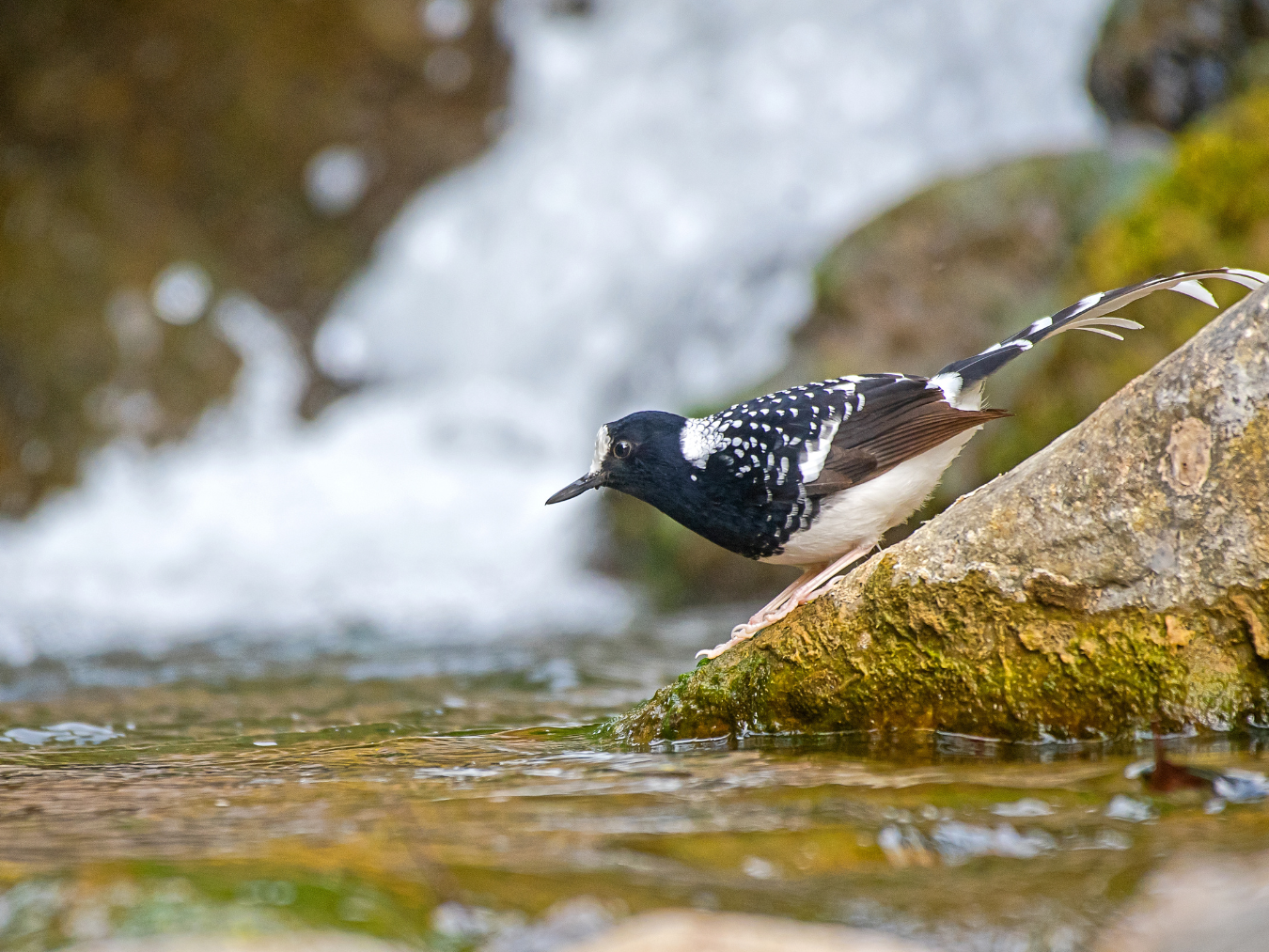
Spotted forktail, specialist riverine birds from the Himalayan region. Image Nilanjan Chatterjee of Senckenberg Biodiversity and Climate Research Centre.
Among all the taxonomic groups that exploit the exchange of matter and energy between terrestrial and freshwater ecosystems, birds are among the most specialised, conspicuous and most abundant. This ancient association reaches back around 130 million years to when some of the first birds evolved wader-like features in semi-aquatic environments. Duck-like birds were already around when Tyrannosaurus rex hunted adjacent habitats 69 million years ago.
Across today’s continents, 11-23% of all 11,500 of the world’s bird species rely on animal or plant production from freshwater ecosystems for some or all their lives: various gulls, terns and their relatives; herons, egrets, bitterns and spoonbills; darters and anhingas; grebes and divers (loons); waders; ducks, geese and swans; flamingos; cranes, rails and coots; kingfishers; and several specialised passerines such as the dippers. Reflecting their diversity, birds make up around 35% of almost 8,000 data sets that form the ZSL’s freshwater Living Planet Index and so contribute substantially to one of the most prominent and long-term of all trend assessments of global biodiversity.
It’s a surprise, then, that birds have attracted far less interest from freshwater biologists than wholly aquatic organisms such as freshwater plants, fishes or aquatic invertebrates, especially in the freshwater literature. Not only are there intriguing questions about the top-down and bottom-up processes that link birds to freshwater ecosystems, but also there are important evidence needs that could further emphasise the importance of freshwater systems to biodiversity conservation.
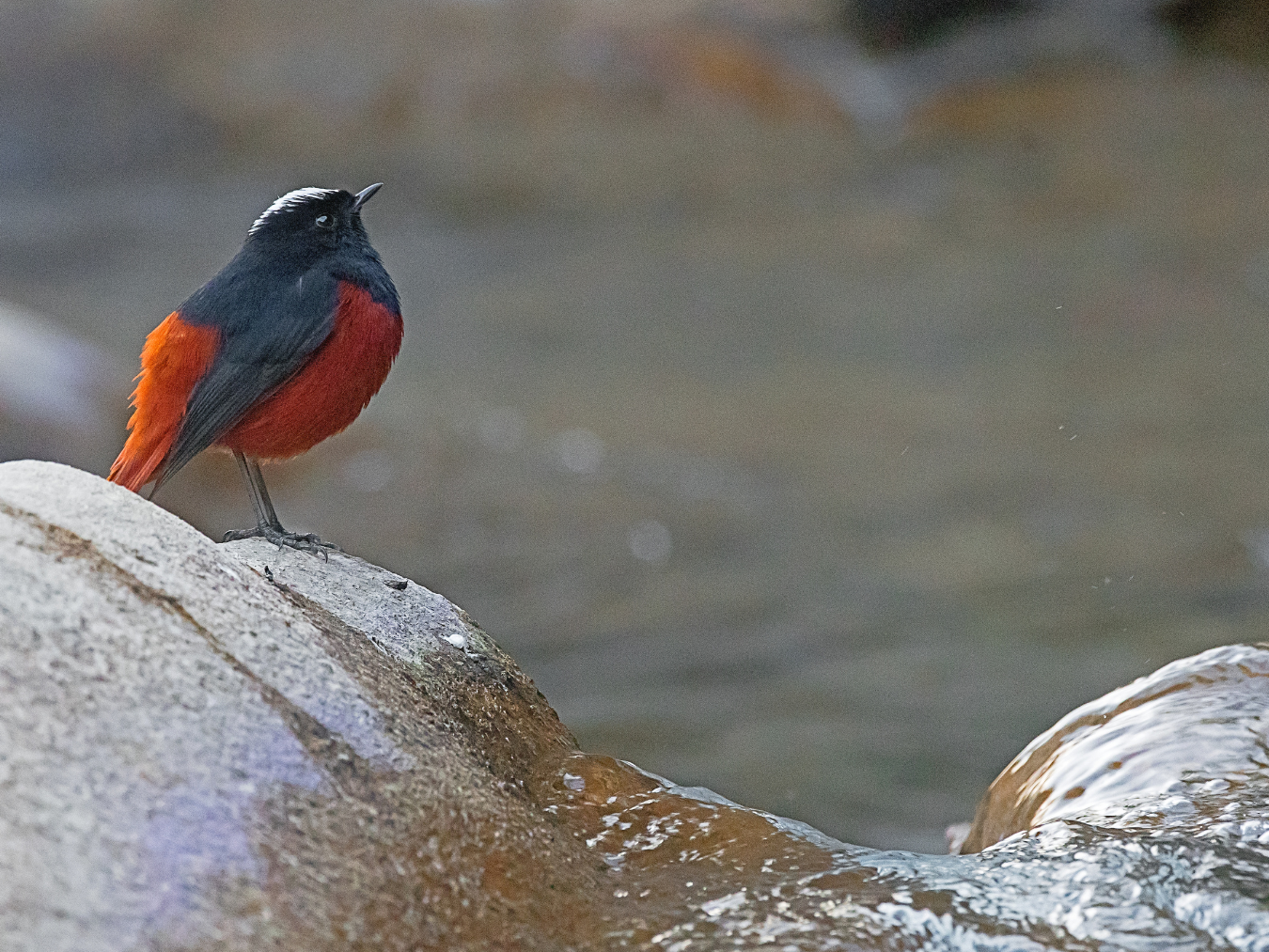
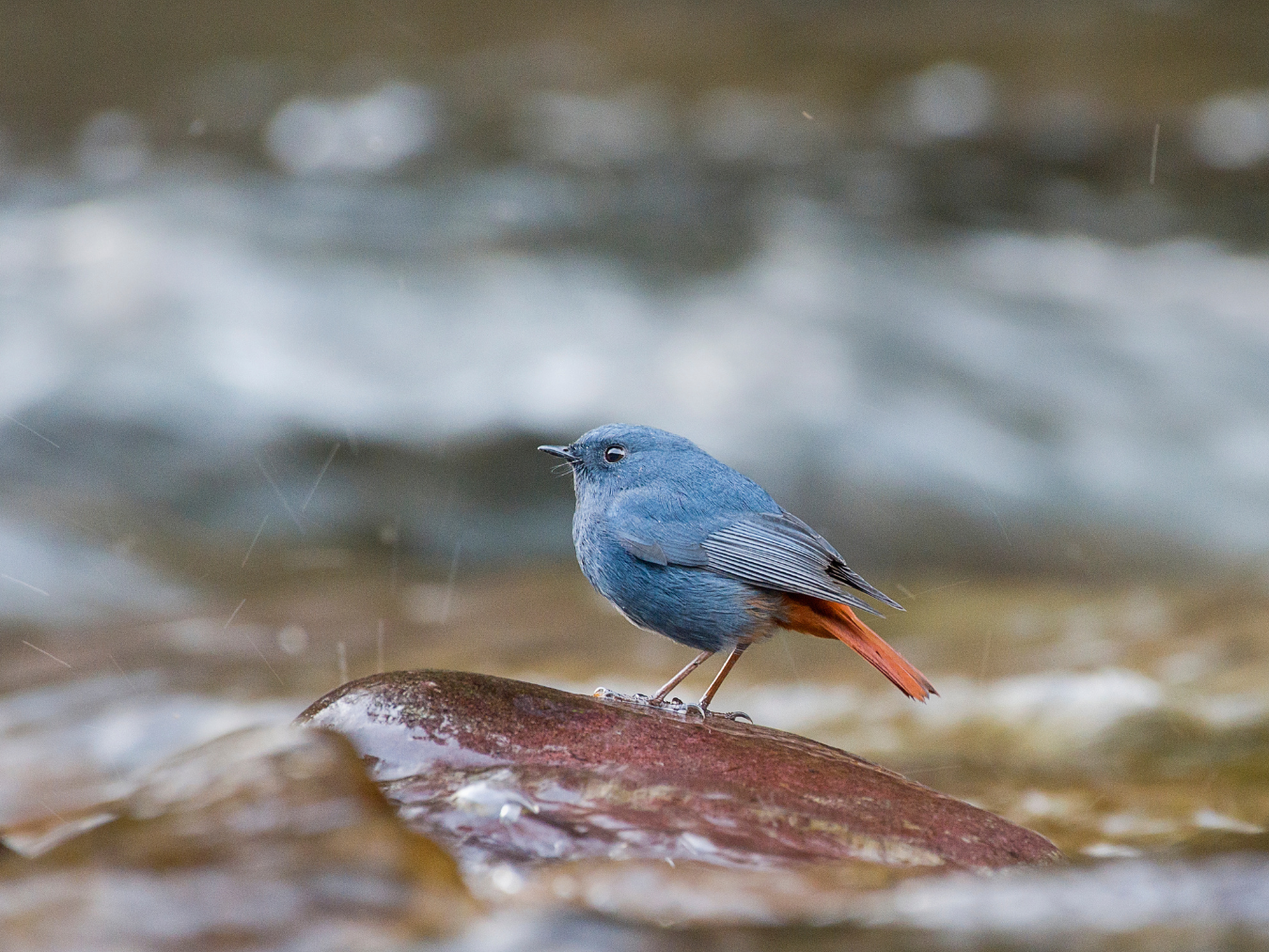
Specialist riverine birds from the Himalayan region. White-capped redstart (left) and Plumbeous redstart (right). Images Nilanjan Chatterjee of Senckenberg Biodiversity and Climate Research Centre.
Our recent paper turned to these issues specifically with reference to the world’s specialist riverine birds, building on our own experience in India, Nepal and the UK as well as through assessments of the global diversity and value of these species as ecological indicators. Around the world, 69 bird species can be recognised specifically as riverine specialists by virtue of life history traits adapted to fast-flowing rivers.
From the larger array of aquatic bird species distributed across freshwater habitats in general, we define riverine specialists as birds that (i) feed mostly on production from rivers in the form of aquatic plants, aquatic or emergent insects, and fishes; (ii) occupy fast-flowing river habitats created by fluvial processes, often in territories that are linear or centred on the river channel. The second of these criteria is important in recognising how their uses of river habitats include not only feeding, but also roosting or nesting using structures linked to the river channel or riparian vegetation.
The riverine specialists
Specialist riverine birds occur in 18 different families and include, for example, anatids such as the torrent duck or New Zealand blue duck, various pratincoles and riverine lapwings, two owl species, eight kingfisher species, species familiar in Europe such as white-throated dippers (one of five dipper species) and grey wagtails (one of four riverine wagtails), and a particularly diverse group of 13 old-world flycatchers.
This diversity across families implies that associations with rivers have evolved several times and have developed different feeding patterns such as piscivory, aerial flycatching, ground-gleaning in the riparian zone, feeding aquatically on invertebrates, or in several cases combinations of two or more of these strategies. In many cases, however, the foraging niches for specialist riverine birds are known only in general terms that could hide subtle but ecologically important variations.
This is best exemplified by the dippers – the world’s only truly aquatic songbirds – where exact patterns of prey use follow specific phases of the annual cycle: the use of calcium rich prey during egg-formation in females; chick provisioning that transitions from small mayfly nymphs to large caddis larvae as energetic demands grow; small baetid mayflies or black-fly larvae in recently fledged first-years; shifts to epibenthic prey that are easily captured during spates. As well as detailing niche-use in individual species, studies of prey use have also shown how contrasting foraging allows resource partitioning among co-occurring species in the world’s most diverse community of river birds in the Himalayan mountains.
We use our paper to suggest that similar research by freshwater biologists and other river scientists could considerably expand understanding of how prey use and other factors affect distribution and abundance of river birds.
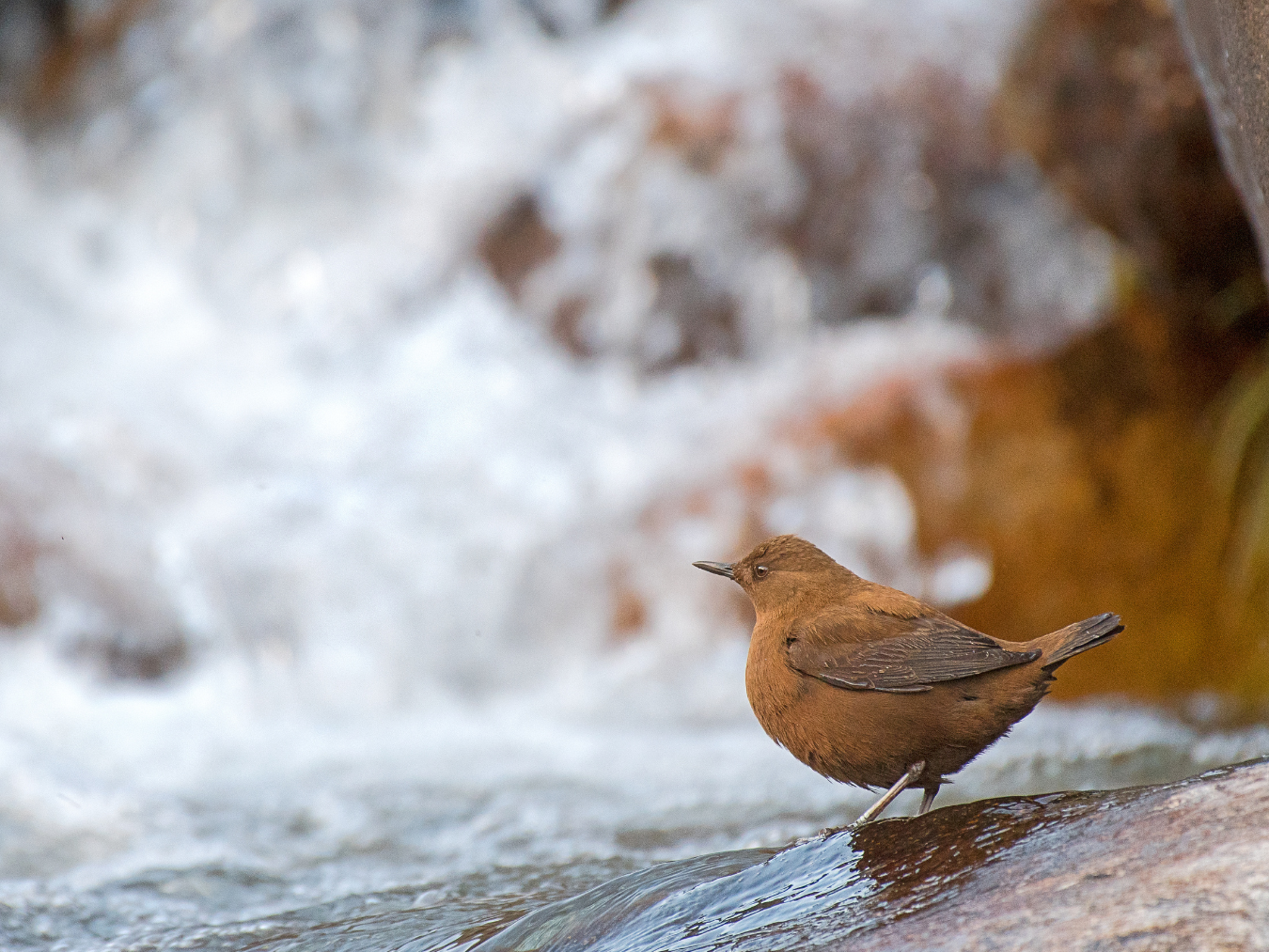
Brown dipper. Image Nilanjan Chatterjee of Senckenberg Biodiversity and Climate Research Centre.
Threats, pressures and conservation
Although there are some caveats about representativeness, the Living Planet Index gives us one of the headline messages about the plight of freshwater organisms globally. The data from over 3,000 monitored populations of just under 1,000 species show a decline of around 85% since 1970, substantially exceeding losses in terrestrial or marine systems.
Although freshwater birds figure strongly in the index, very few of the long-term data sets are from riverine specialists. Nevertheless, quantitative data from regions as distinct as the UK and India quantify marked population reduction in several riverine birds. Qualitative data are more extensive, and show that almost two-thirds of specialist riverine birds appear to be declining to the point that over 20 species are considered near-threatened or worse (Fig. 1).
Figure 1. Population trends of specialist riverine birds of the world based on assessment by the International Union for the Conservation of Nature. Least Concerned: LC; Near Threatened: NT; Vulnerable: VU; Endangered: EN; Critically Endangered: CR. (From Sinha et al. 2026).
The threats and pressures on riverine birds overlap, at least in outline, with those affecting other river organisms: habitat loss and impairment; dams and other water resource developments; land management for agriculture, forestry and urbanisation; invasive non-native species; pollution from well-known and legacy or emerging sources; and the effects of climate change on flow patterns and thermal regimes.
We expand on some of the specifics in our paper, while the IUCN species accounts show how threats often arise in multiple combinations. For example, the stunning but critically endangered Brazilian merganser is now down to less than 250 individuals at risk from riparian habitat loss through deforestation, agricultural expansion and diamond-mining coupled also with hydroelectric development. In Argentina and Bolivia, the vulnerable rufous-throated dipper, now with around 3,000 individuals, faces threats from reservoir development, irrigation schemes, eutrophication, mining and forest conversion to agriculture. Another predator of aquatic invertebrates, the New Zealand blue duck, is affected by threats partly from land use modification and climate, but also predation from non-native species such as feral cats, rats, stoats and ferrets.
In reality, however, for these and other species of specialist riverine birds, even the most threatened species (Luzon redstart, Chestnut-naped forktail, White-bellied heron, and others), the exact ecological processes involved in population reduction are sketchily understood.
Against this background, we identify two urgent conservation needs for specialist riverine birds. First, river bird conservation needs a blend of more catchment-scale action to bend the curve of freshwater biodiversity loss more generally coupled with enhanced protection in regions with threatened species and the largest species richness. Areas of the tropics and sub-tropics are particularly important (Fig. 2). Second, there is a need to expand interdisciplinary research from ornithologists, conservation ecologists and freshwater biologists to understand the ecology of specialist riverine birds including population dynamics, specific patterns of habitat use in time and space, foraging, and the specifics of prey use. These are both fundamental questions where freshwater biologists could make a real difference – and simultaneously of real importance on guiding conservation efforts.
Figure 2. Concordance between the species richness of specialist riverine birds and the proportion of species considered threatened. See Sinha et al. 2026 for more details.
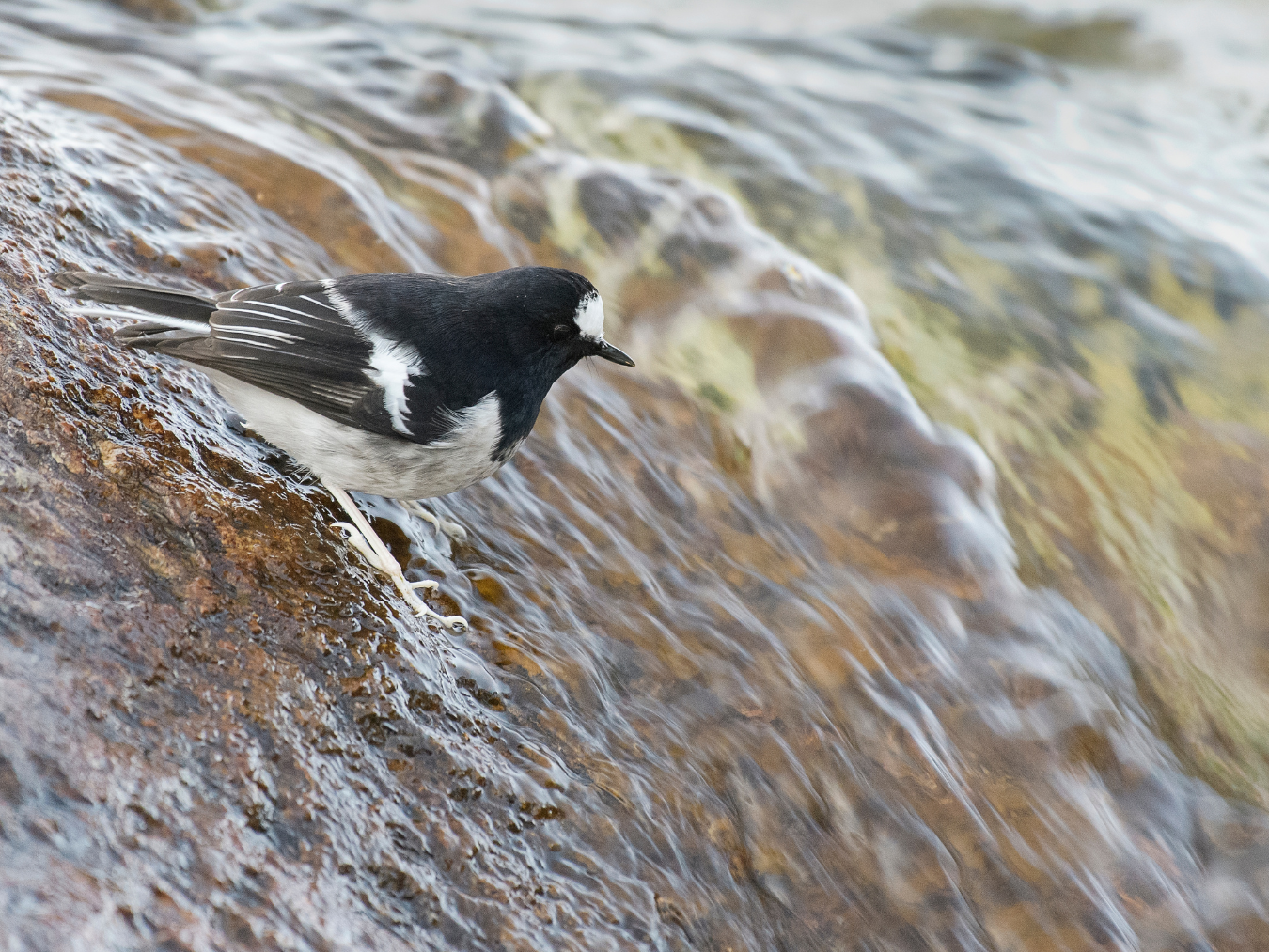
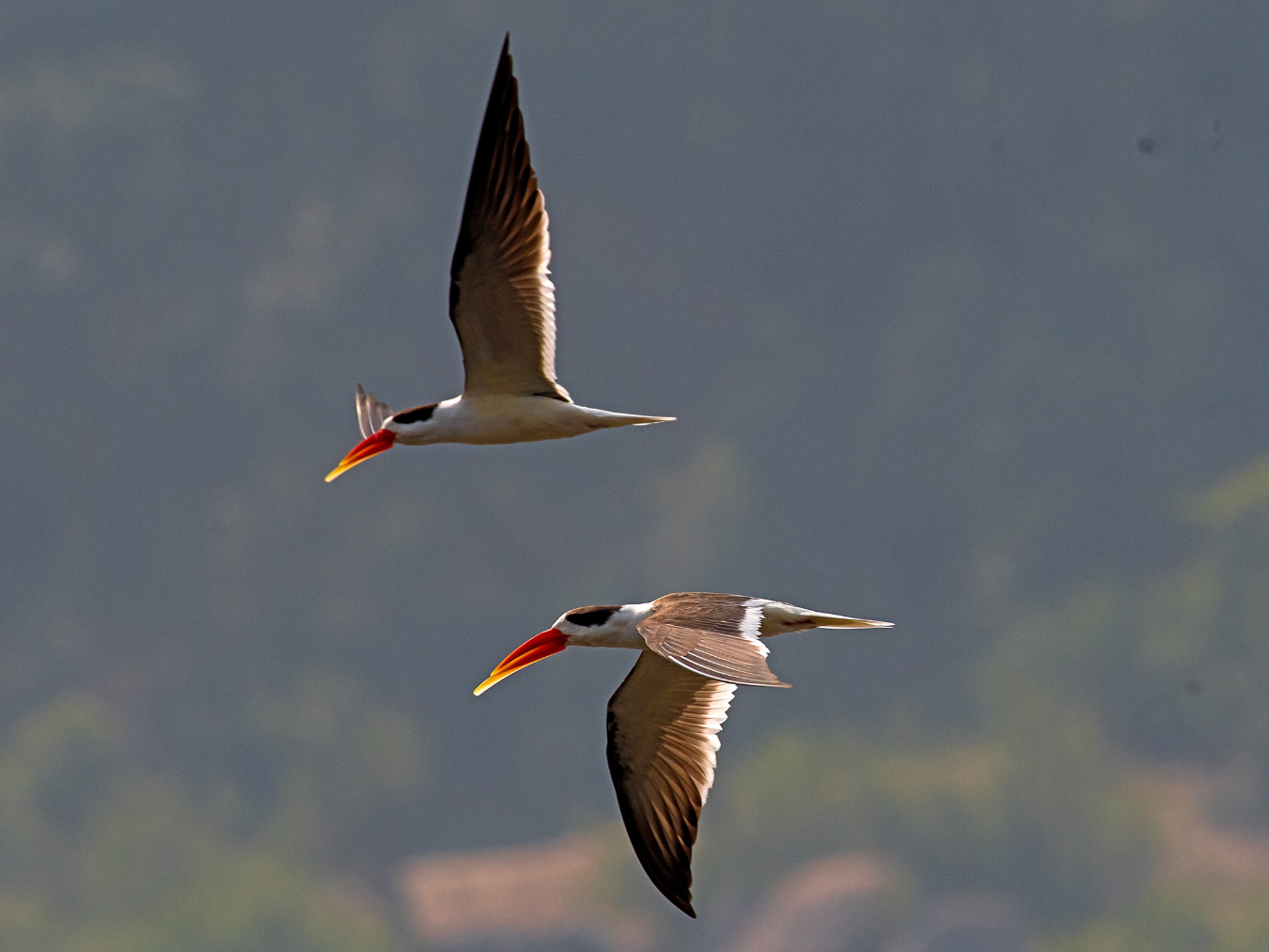
Specialist riverine birds from the Himalayan region. Little forktail (left) and Indian skimmer (right). Images Nilanjan Chatterjee of Senckenberg Biodiversity and Climate Research Centre.
Interested in finding out more?
Read the paper: Conserving the World's Specialist Riverine Birds
August 2026, Wiley Interdisciplinary Reviews Water
Authors: Ankita Sinha, Nilanjan Chatterjee, Steve J. Ormerod.
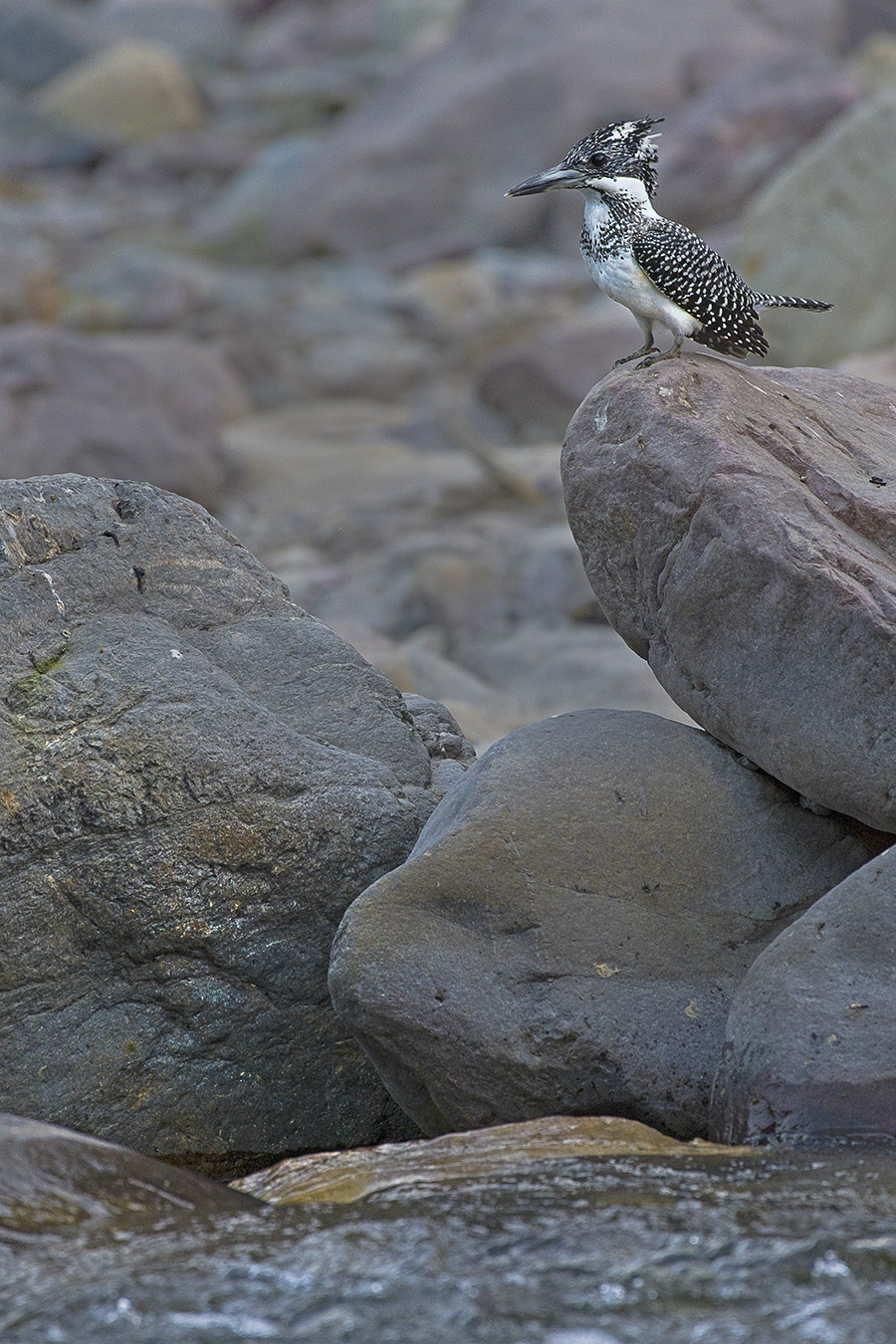
Crested kingfisher from the Himalayan region. Image Nilanjan Chatterjee of Senckenberg Biodiversity and Climate Research Centre.