Big Windermere Survey, February 2024 results
20 May, 2024
Freshwater Biological Association announces results of the February 2024 Big Windermere Survey
The Freshwater Biological Association and Lancaster University are delighted to share the results of the February 2024 Big Windermere Survey, which provides an intensive snapshot of water quality within the Leven catchment on one day, in the winter season.


Big Windermere Survey volunteers taking water samples from our Winter 2024 survey.
On the morning of Sunday 18th February 2024, between 10am - 12pm, water samples were collected by volunteers from 104 locations around Windermere, Esthwaite Water, Grasmere, Rydal Water and the streams and smaller tarns in the Leven catchment. This was the seventh survey to date and represented the winter season of the survey’s second year. You can see all locations on this map.
How are samples analysed?
Samples have been analysed for the concentration of nutrients within research laboratories at Lancaster University and bacterial analysis was completed at externally-accredited laboratories following standard protocols. To find out more about the water quality parameters that are analysed, please read our Water Quality Guide.
What do the results show?
Data from the February 2024 Survey reveal that 69% of samples collected from Windermere shoreline locations had elevated concentrations of phosphorus, sufficient to drop these sites below the standards required for Good status under the Water Framework Directive. While for river locations, 100% of water samples collected were consistent for High status.
For bacteria, 93% of samples collected from Windermere shoreline locations had low concentrations, consistent with standards from the European Union Bathing Water Directive for Excellent bathing water quality. However, 15% of river locations contained higher concentrations of E.coli or intestinal enterococci bacteria, moving these sites below the standards required for Good bathing water quality.
Want to know more?
Read our Results Summary which explains the results in more detail and the full data set is now available to view on a map via Cartographer.

Volunteer citizen scientist taking water samples in the Winter 2024 Big Windermere Survey
Many thanks to our dedicated team of citizen scientists who contributed towards the Winter 2024 Big Windermere Survey and who are helping us to gain an understanding of the water quality in the Leven catchment throughout the seasons.
Since finalising the Winter 2024 results, we have just completed our Spring 2024 survey (May 12th) and hope to share the results in due course following the lab analysis. Plans for our Summer 2024 survey are also underway, but we need financial support to run this vital citizen science project.
Help fund the Summer 2024 Big Windermere Survey.
Support our Crowdfunder campaign. We are open to individual and organisational donations. Support local citizen science and the ecological health of England’s largest natural lake.

Support the next Big Windermere Survey - Crowdfunder for Summer 2024
Check out our Big Windermere Survey page for further information.
If you would like to get involved as a volunteer or have any queries, please contact: windermere@fba.org.uk or have a look at out our FAQs.
Further reading
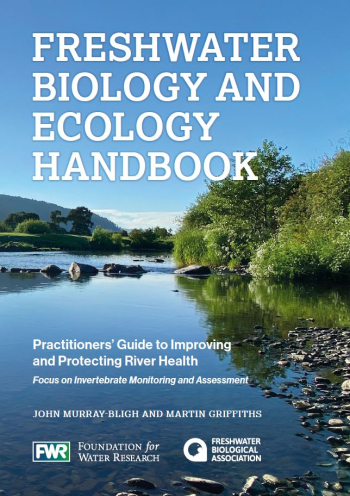
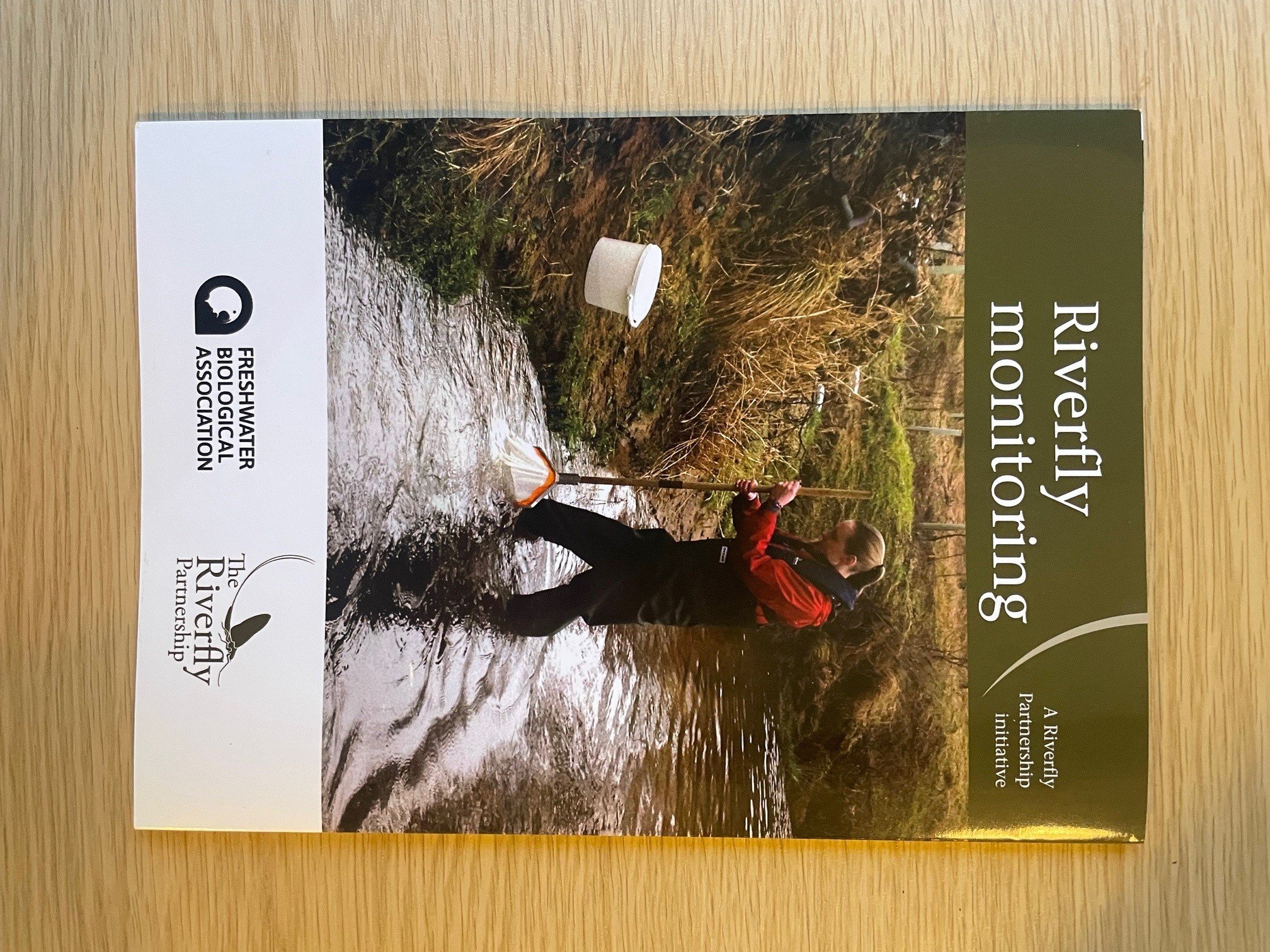
The Freshwater Biological Association publishes a wide range of books and offers a number of courses throughout the year. Check out our shop here.




NEW COURSE: Pond Restoration Training: North West England on 6 & 7 July 2026. From £250.00
Ponds are increasingly recognised as critical features for biodiversity conservation across UK landscapes. This two-day course will introduce participants to the science and best practice of pond restoration.
Helen Greaves of the Pond Restoration Research Group at University College London (UCL) is a co-founder of the Norfolk Ponds Project (NPP) and Executive Director of the NPP Community Interest Company (CIC). With over 15 years’ experience restoring ponds and researching their ecological recovery, and following publication of the recent Guide to the Restoration, Creation and Management of Ponds, Helen is keen to share key lessons and practical insights from both the UCL and NPP teams.
The course will include a combination of lectures, workshops, and field visits focused on the restoration of degraded overgrown ponds and in-filled “ghost ponds”.
Participants will be introduced to the scientific evidence underpinning pond restoration, including the benefits for freshwater and terrestrial biodiversity. The course will also cover the key DOs and DON’Ts of restoration, including pond selection and important considerations during the restoration process.
Field visits will explore two contrasting pond landscapes typical of West Lancashire. One site is situated within a lowland floodplain landscape, while the other lies within a higher arable setting adjacent to a nature reserve. These visits will provide an opportunity to compare ponds across different land uses, including farmland and conservation-focused landscapes. Participants will consider how landscape context influences restoration potential, management approaches, and ecological outcomes, including the specific challenges and opportunities associated with restoring existing ponds and resurrecting ghost ponds.
The course will also address approaches to engaging landowners, farmers, and local communities in pond conservation, alongside practical routes for securing funding to support restoration work.
Participants on all FBA courses must be 18 years and above.
Location: West Lancashire (near Ormskirk)
Tutor: Helen Greaves
Price: £275 for non-members, £250 for members
Please click on the following link to download and complete the booking form then email to info@fba.org.uk: FBA Courses Booking Form.docx
TO AVOID POSTAL CHARGES PLEASE SELECT ‘PICK UP’ OPTION AT CHECKOUT.
Please note: Payment must be made in full via the website in order to secure your place on this course.