Riverfly Partnership expands team
8 November, 2023
With around 1000 active volunteers and 300 records uploaded per month, additional hands on deck were much needed on the Riverfly Partnership team!
For the first time in the history of the partnership, there are now three full-time members of staff on the team.
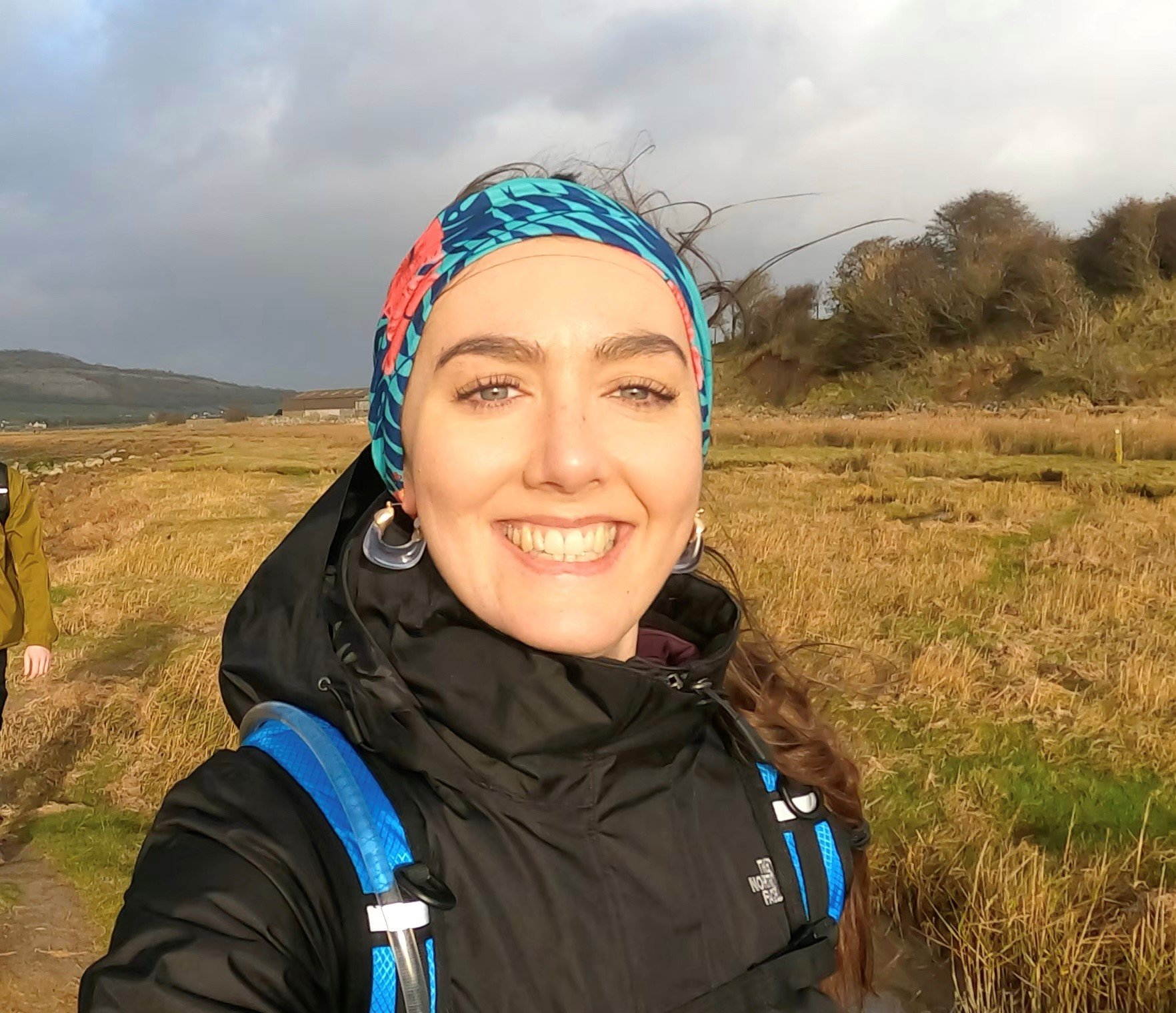
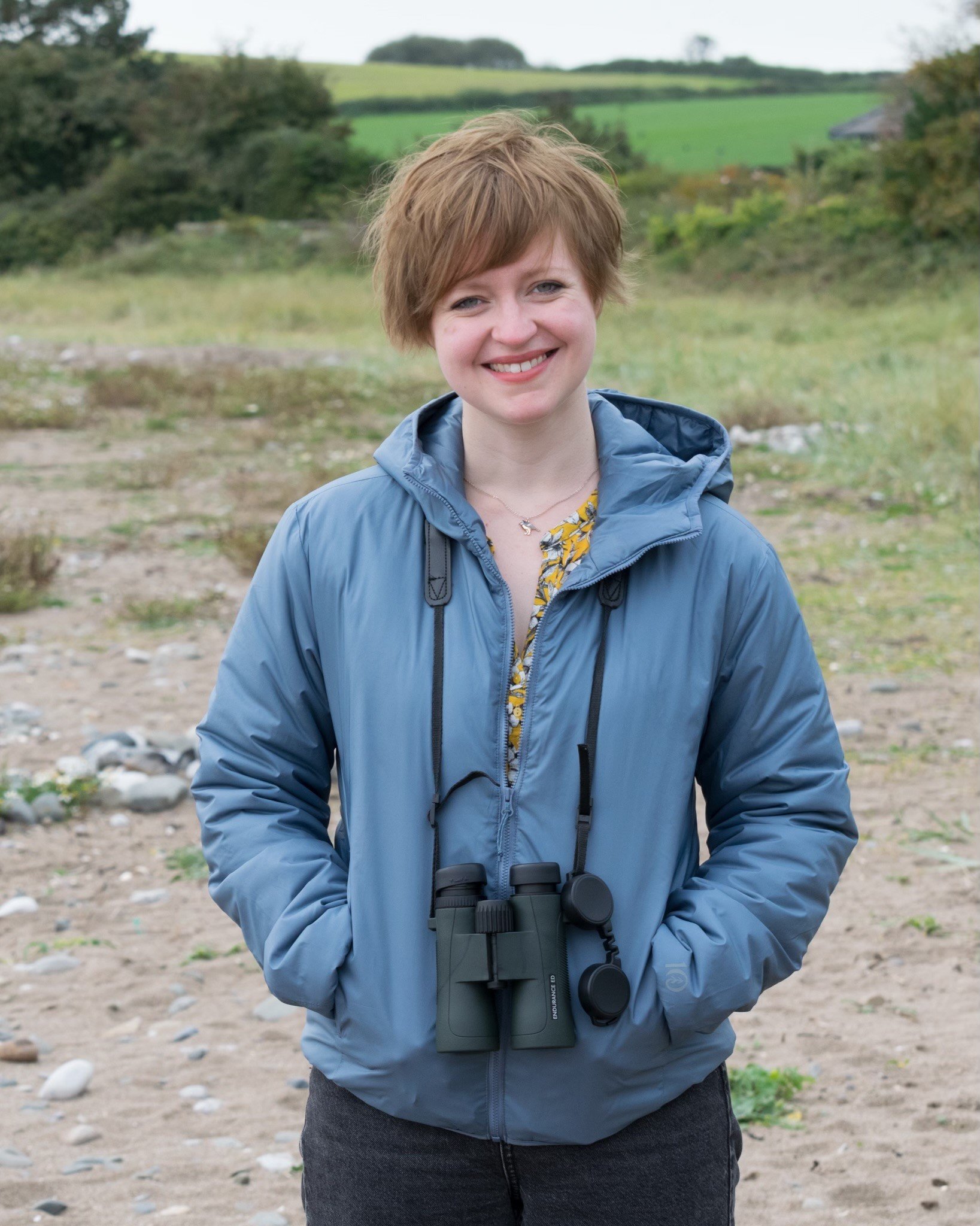
Headed up by Trine Bregstein, Riverfly Development Manager, Beth Korab (below, left) and Ellen Burton (below, right) join as Riverfly Coordinators and have been helping with the launch of Cartographer (the new database for uploading records) and facilitating participation in the partnership.
What’s the Riverfly Partnership?
The Riverfly Partnership works to protect the water quality of our rivers and conserve riverfly habitats. It is hosted by the Freshwater Biological Association and brings together anglers, conservationists, scientists, water course managers and relevant authorities to increase our understanding of riverfly populations.
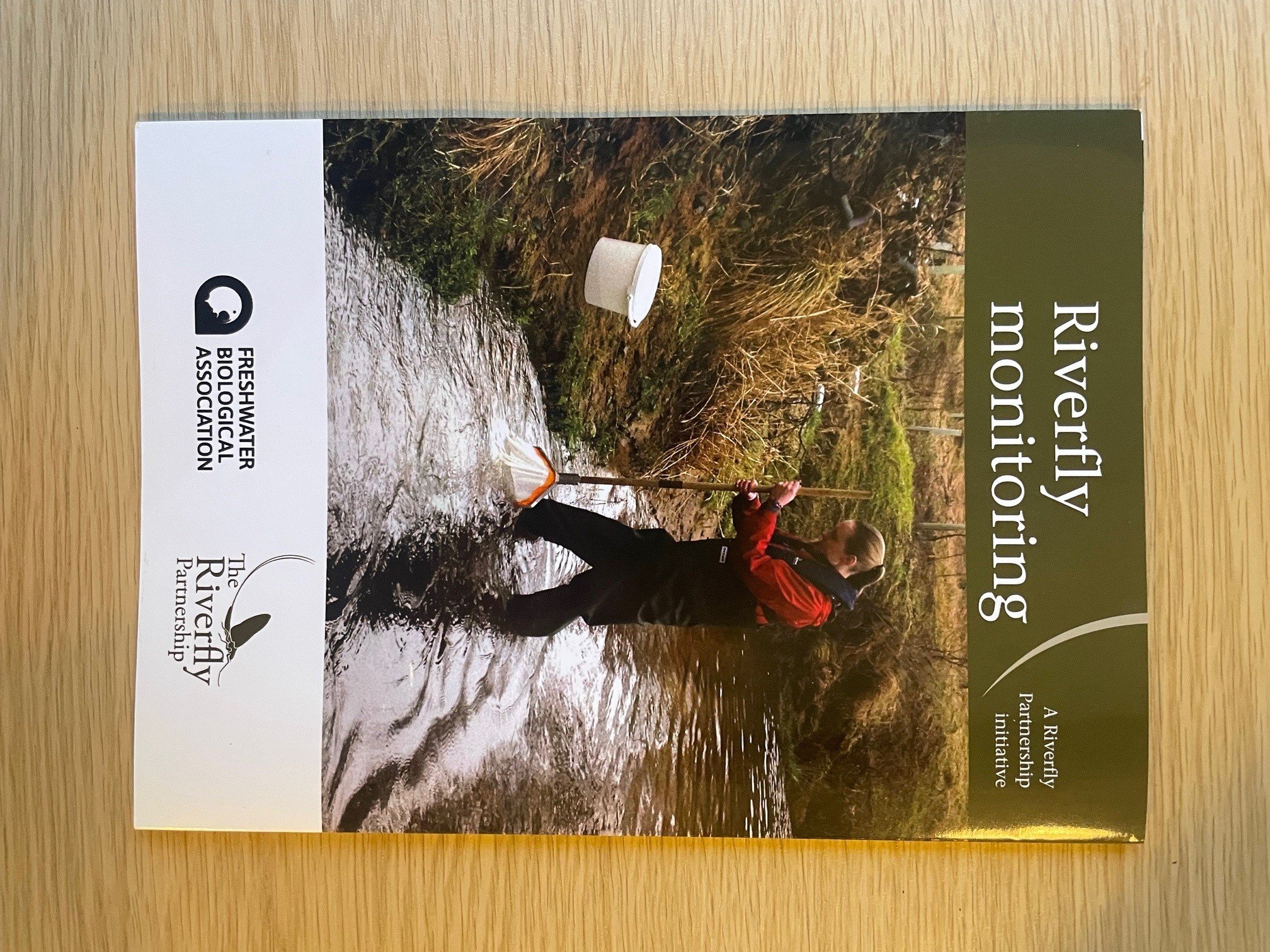
Citizen scientists are trained to monitor their local river by using kick sampling to collect a sample of invertebrates, which they then identify and record. Riverflies, such as mayflies and caddisflies, are a key part of freshwater ecosystems and their specific tolerances to changes in environmental conditions make them good indicators of river health. Monitoring these animals effectively provides an early warning system for detecting fluctuations in water quality — when riverfly numbers are below a certain threshold, it may show that a pollution event has occurred and the relevant authorities can be informed.
The Riverfly Partnership launched the Riverfly Monitoring Initiative in 2007, which involves a standardised monitoring technique of key invertebrate groups found in freshwaters: caddisfly larvae, up-wing fly larvae, stonefly larvae and freshwater shrimp. There are now also two other initiatives that have been created to cover a wider range of invertebrates, providing an even more detailed picture: Urban Riverfly and Extended Riverfly. The data collected by these projects is freely accessible to all and has been used as evidence in cases where polluters have been successfully prosecuted.

Photo credit: Sheffield River Rangers
How can I get involved with the Riverfly Partnership?
Riverfly monitoring is a great way to help your local river, find out more about nature, and meet like-minded people.
If you are interested in taking part, please send an e-mail to info@riverflies.org stating whereabouts in the UK you are. A member of the team will then put you in touch with your local Riverfly hub coordinator, who will let you know about upcoming training opportunities and get you set up with a site to regularly monitor.
Visit it our website here for further information. To keep up to date with all the latest news, follow us on social media and sign up to our newsletter here.
Further reading
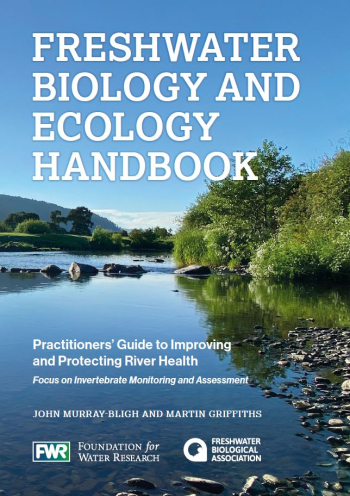
The Freshwater Biological Association publishes a wide range of books and offers a number of courses throughout the year. Check out our shop here.




Get involved
Our scientific research builds a community of action, bringing people and organisations together to deliver the urgent action needed to protect freshwaters. Join us in protecting freshwater environments now and for the future.

NEW COURSE: Pond Restoration Training: North West England on 6 & 7 July 2026. From £250.00
Ponds are increasingly recognised as critical features for biodiversity conservation across UK landscapes. This two-day course will introduce participants to the science and best practice of pond restoration.
Helen Greaves of the Pond Restoration Research Group at University College London (UCL) is a co-founder of the Norfolk Ponds Project (NPP) and Executive Director of the NPP Community Interest Company (CIC). With over 15 years’ experience restoring ponds and researching their ecological recovery, and following publication of the recent Guide to the Restoration, Creation and Management of Ponds, Helen is keen to share key lessons and practical insights from both the UCL and NPP teams.
The course will include a combination of lectures, workshops, and field visits focused on the restoration of degraded overgrown ponds and in-filled “ghost ponds”.
Participants will be introduced to the scientific evidence underpinning pond restoration, including the benefits for freshwater and terrestrial biodiversity. The course will also cover the key DOs and DON’Ts of restoration, including pond selection and important considerations during the restoration process.
Field visits will explore two contrasting pond landscapes typical of West Lancashire. One site is situated within a lowland floodplain landscape, while the other lies within a higher arable setting adjacent to a nature reserve. These visits will provide an opportunity to compare ponds across different land uses, including farmland and conservation-focused landscapes. Participants will consider how landscape context influences restoration potential, management approaches, and ecological outcomes, including the specific challenges and opportunities associated with restoring existing ponds and resurrecting ghost ponds.
The course will also address approaches to engaging landowners, farmers, and local communities in pond conservation, alongside practical routes for securing funding to support restoration work.
Participants on all FBA courses must be 18 years and above.
Location: West Lancashire (near Ormskirk)
Tutor: Helen Greaves
Price: £275 for non-members, £250 for members
Please click on the following link to download and complete the booking form then email to info@fba.org.uk: FBA Courses Booking Form.docx
TO AVOID POSTAL CHARGES PLEASE SELECT ‘PICK UP’ OPTION AT CHECKOUT.
Please note: Payment must be made in full via the website in order to secure your place on this course.