
FBA appoints new Priority Habitats Project Officer
11 October, 2023
The Freshwater Biological Association has appointed Josie Niemira as its new Priority Habitats Project Officer.

Josie Niemira
Josie is the Priority Habitats Officer at FBA and works to deliver citizen science training in freshwater naturnalness assessments all across the country. With a background in Psychology, she hopes to help others bridge the gap between people and nature while exploring the amazing freshwater habitats the UK has to offer.
About the Priority Habitats Project
‘Discovering Priority Habitats’ is a Natural England funded project delivered in partnership with the Freshwater Biological Association. It began in 2019 and forms part of the UK’s commitment to the International Convention on Biodiversity.
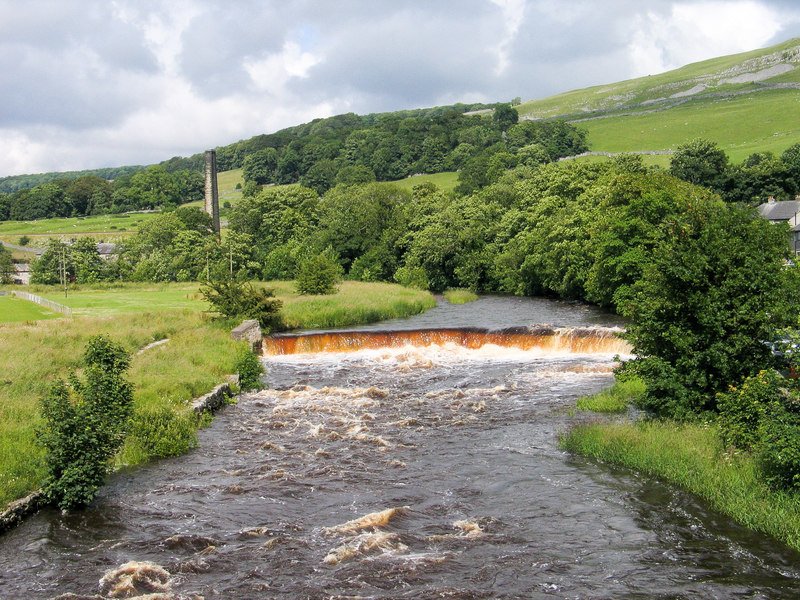
Freshwater habitats should function as naturally as possible to support biodiversity and protect species that depend on their unique habitat mosaics. However, little is currently known about our smaller rivers, streams, and lakes because they are frequently missed by larger monitoring projects, making them less likely to be protected and restored.
The Priority Habitats Project aims to train people as citizen scientists to carry out naturalness assessments on smaller waterbodies. Collected data will guide and inform Natural England and other collaborators to identify and prioritise areas for protection and restoration. Further information on the project can be found on our website: Discovering Priority Habitats in England.
How will the data be used?
Data collected through rivers/streams and lakes naturalness assessments will be used to periodically update the priority habitat maps for England and will also be used in discussions to update the associated map of river restoration priorities.
These maps are used to guide and inform Natural England, the Environment Agency, and local/regional planning authorities to identify where decision-making needs to take specific account of habitat naturalness. Refining the priority habitats maps is vital in ensuring we protect natural freshwater sites in current good health and encourage restoration action in desirable locations.
Data collected has previously been used by organisations in support of applications for funding towards restoration works and could potentially contribute to local conservation action goals. Previous organisations have found this training beneficial for staff members involved in work on protected sites, agri-environmental schemes, conservation, and sustainable development.
Training days
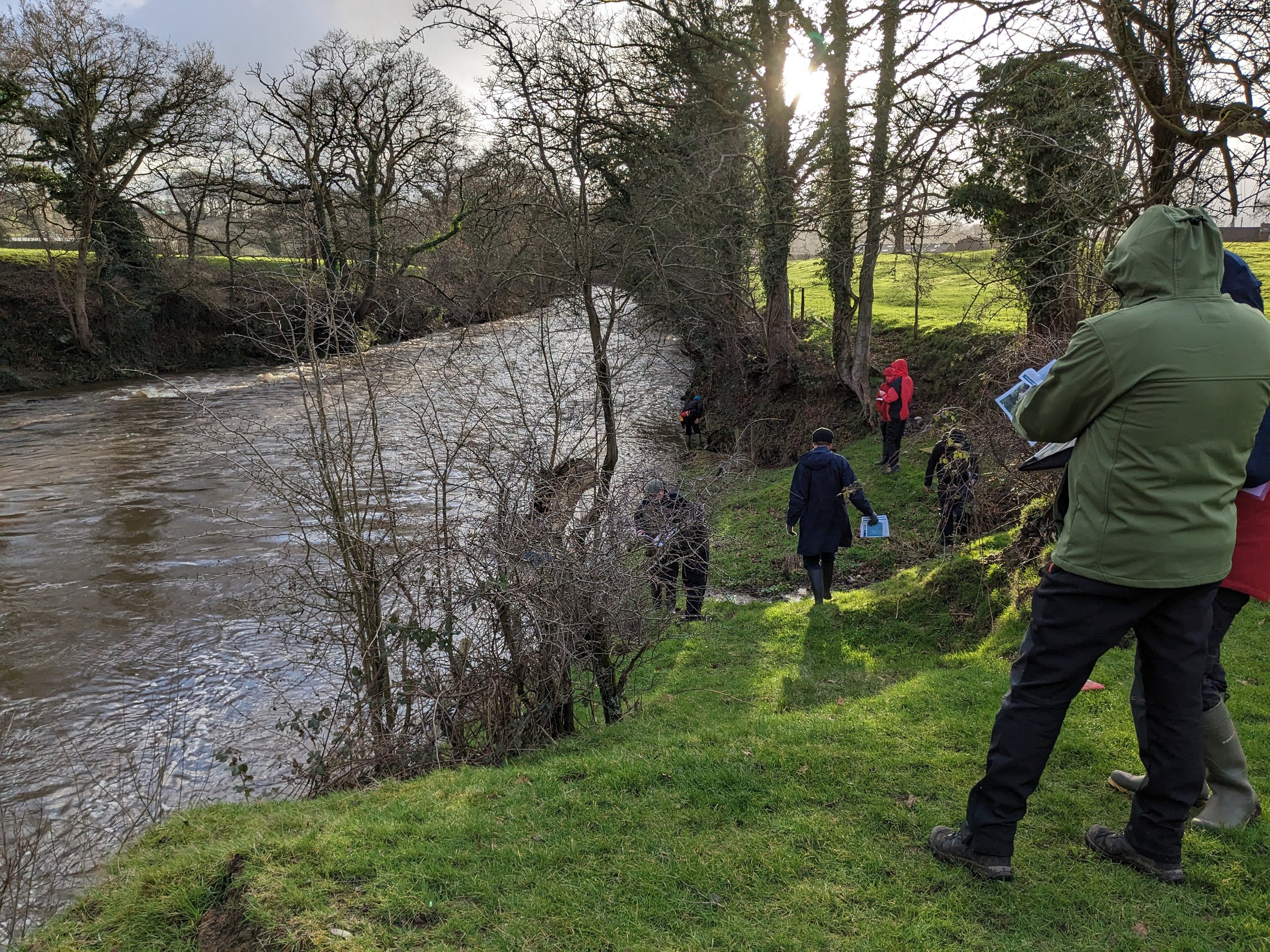
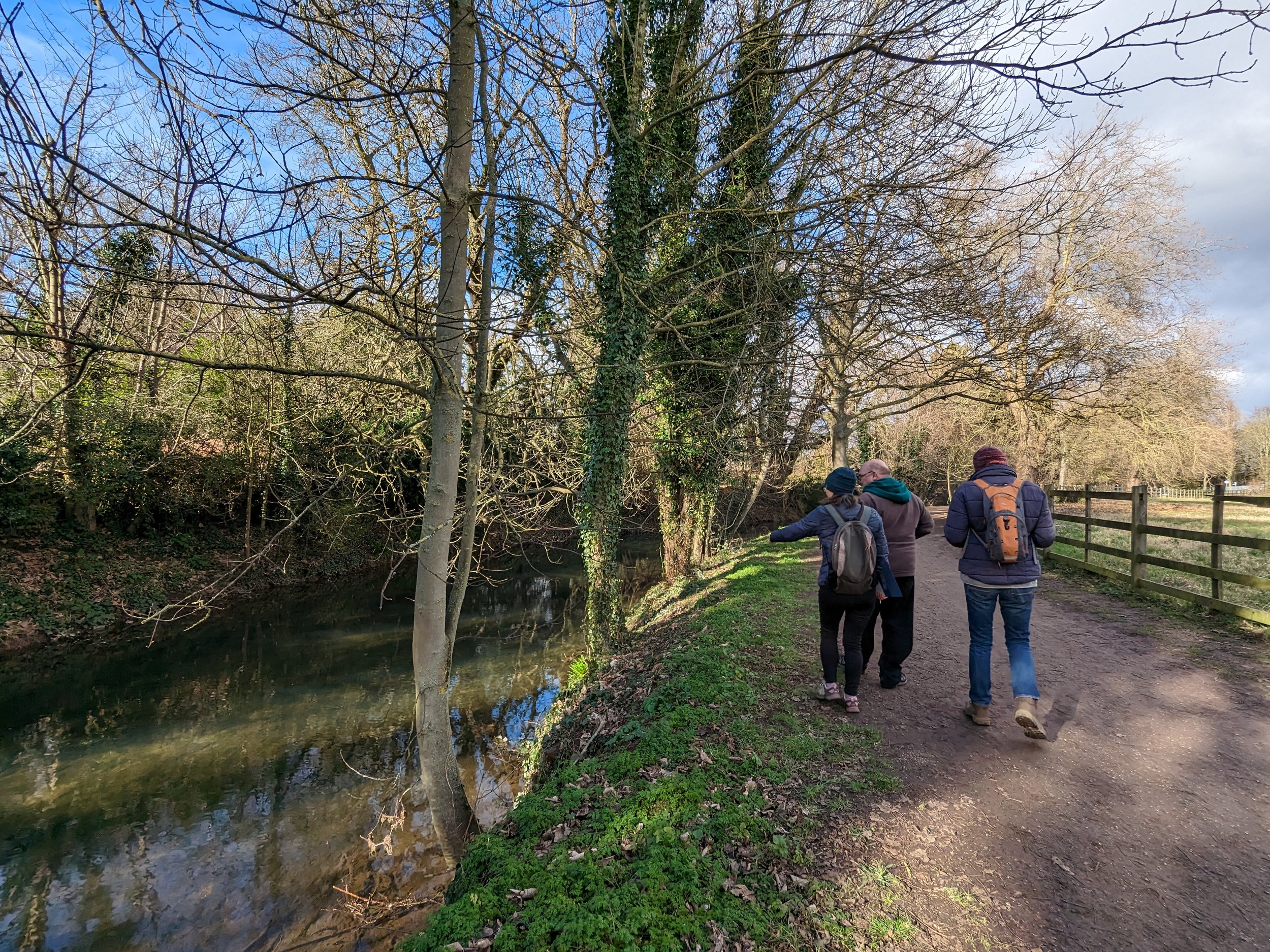
The Freshwater Biological Association is offering ‘Discovering Priority Habitats’ training days free of charge to organisations interested in citizen science action. The training days are suitable for both staff and volunteers and provides an entry-level assessment of naturalness/natural function that can be used by a wide range of individuals with little experience and expertise in freshwater habitats. Additionally, the assessment is designed so that it can also be used as a rapid assessment tool by experienced professionals.
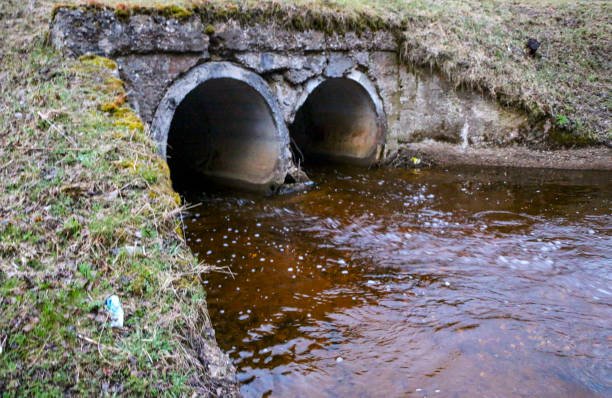
We cover a wide range of categories in the naturalness assessment: Physical (modification to the river); Hydrological (barriers affecting natural flow); Chemical (signs of pollution); and Biological (the presence of non-native species). Under any four of these categories, we could highlight areas of ‘high naturalness’ for protection or ‘low naturalness’ for restoration. You can find a copy of our training guide here.
We would kindly ask that you host the event in a suitable venue and coordinate volunteers/attendees. This venue will need:
Suitable space for delivering training via a projector and comfortable seating, toilet access, etc., for your attendees.
Walking distance access to a river/lake/stream for practical training.
Desirable to have some internet access/phone signal for app training (but not necessary).
The Priority Habitats Officer will travel to you to deliver the training and your organisation would then have the freedom to choose areas for surveying in your local area. If you would like to book training or have any questions regarding the project, please contact Josie Niemira at priorityhabitats@fba.org.uk.



NEW COURSE: Pond Restoration Training: North West England on 6 & 7 July 2026. From £250.00
Ponds are increasingly recognised as critical features for biodiversity conservation across UK landscapes. This two-day course will introduce participants to the science and best practice of pond restoration.
Helen Greaves of the Pond Restoration Research Group at University College London (UCL) is a co-founder of the Norfolk Ponds Project (NPP) and Executive Director of the NPP Community Interest Company (CIC). With over 15 years’ experience restoring ponds and researching their ecological recovery, and following publication of the recent Guide to the Restoration, Creation and Management of Ponds, Helen is keen to share key lessons and practical insights from both the UCL and NPP teams.
The course will include a combination of lectures, workshops, and field visits focused on the restoration of degraded overgrown ponds and in-filled “ghost ponds”.
Participants will be introduced to the scientific evidence underpinning pond restoration, including the benefits for freshwater and terrestrial biodiversity. The course will also cover the key DOs and DON’Ts of restoration, including pond selection and important considerations during the restoration process.
Field visits will explore two contrasting pond landscapes typical of West Lancashire. One site is situated within a lowland floodplain landscape, while the other lies within a higher arable setting adjacent to a nature reserve. These visits will provide an opportunity to compare ponds across different land uses, including farmland and conservation-focused landscapes. Participants will consider how landscape context influences restoration potential, management approaches, and ecological outcomes, including the specific challenges and opportunities associated with restoring existing ponds and resurrecting ghost ponds.
The course will also address approaches to engaging landowners, farmers, and local communities in pond conservation, alongside practical routes for securing funding to support restoration work.
Participants on all FBA courses must be 18 years and above.
Location: West Lancashire (near Ormskirk)
Tutor: Helen Greaves
Price: £275 for non-members, £250 for members
Please click on the following link to download and complete the booking form then email to info@fba.org.uk: FBA Courses Booking Form.docx
TO AVOID POSTAL CHARGES PLEASE SELECT ‘PICK UP’ OPTION AT CHECKOUT.
Please note: Payment must be made in full via the website in order to secure your place on this course.