Reflections on the 2026 Annual Scientific Meeting
24 July, 2026
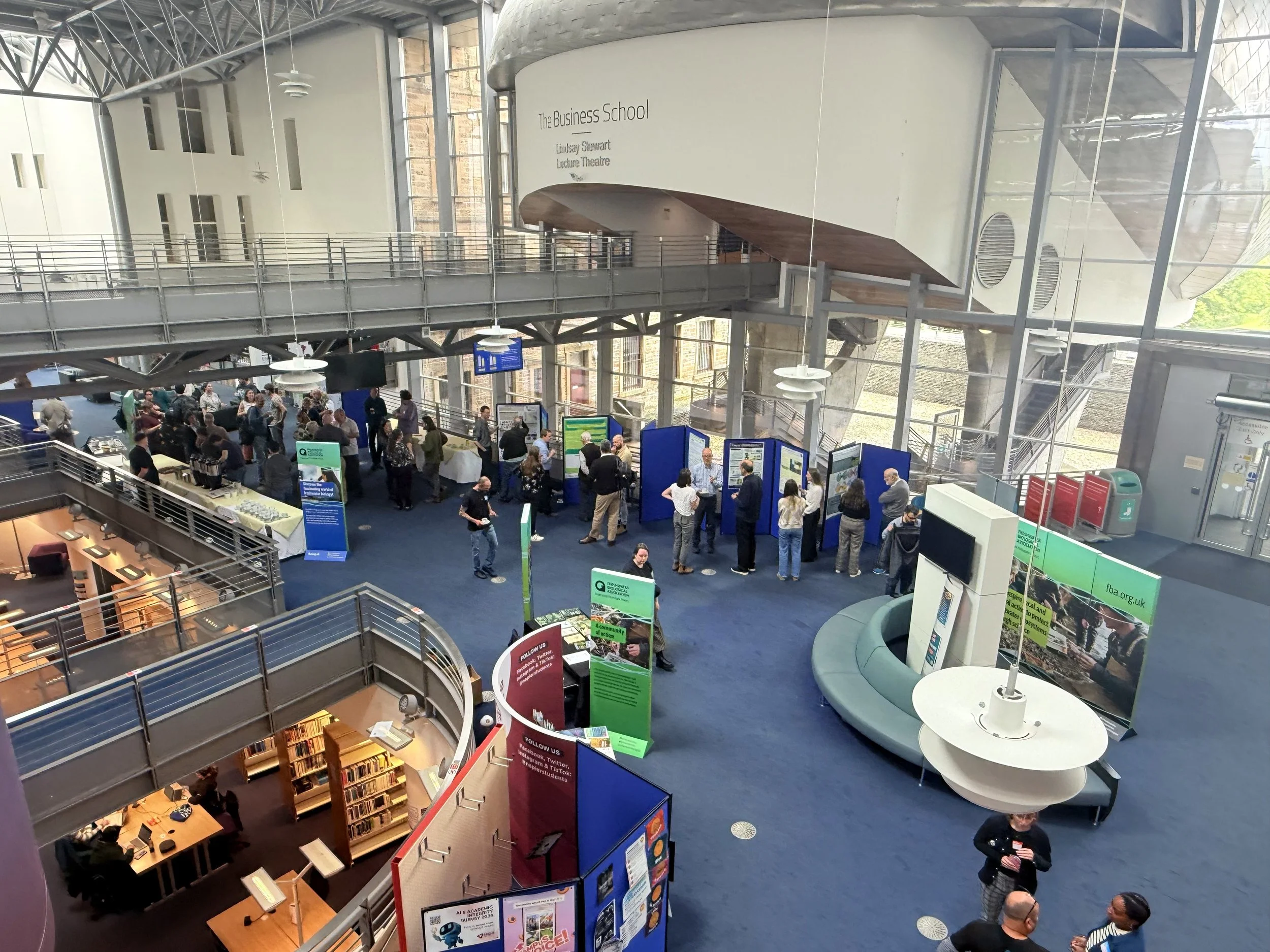
Year two of our revamped Annual Scientific Meeting (ASM) hosted at the splendid Craiglockhart campus at Edinburgh Napier University was a cracker!
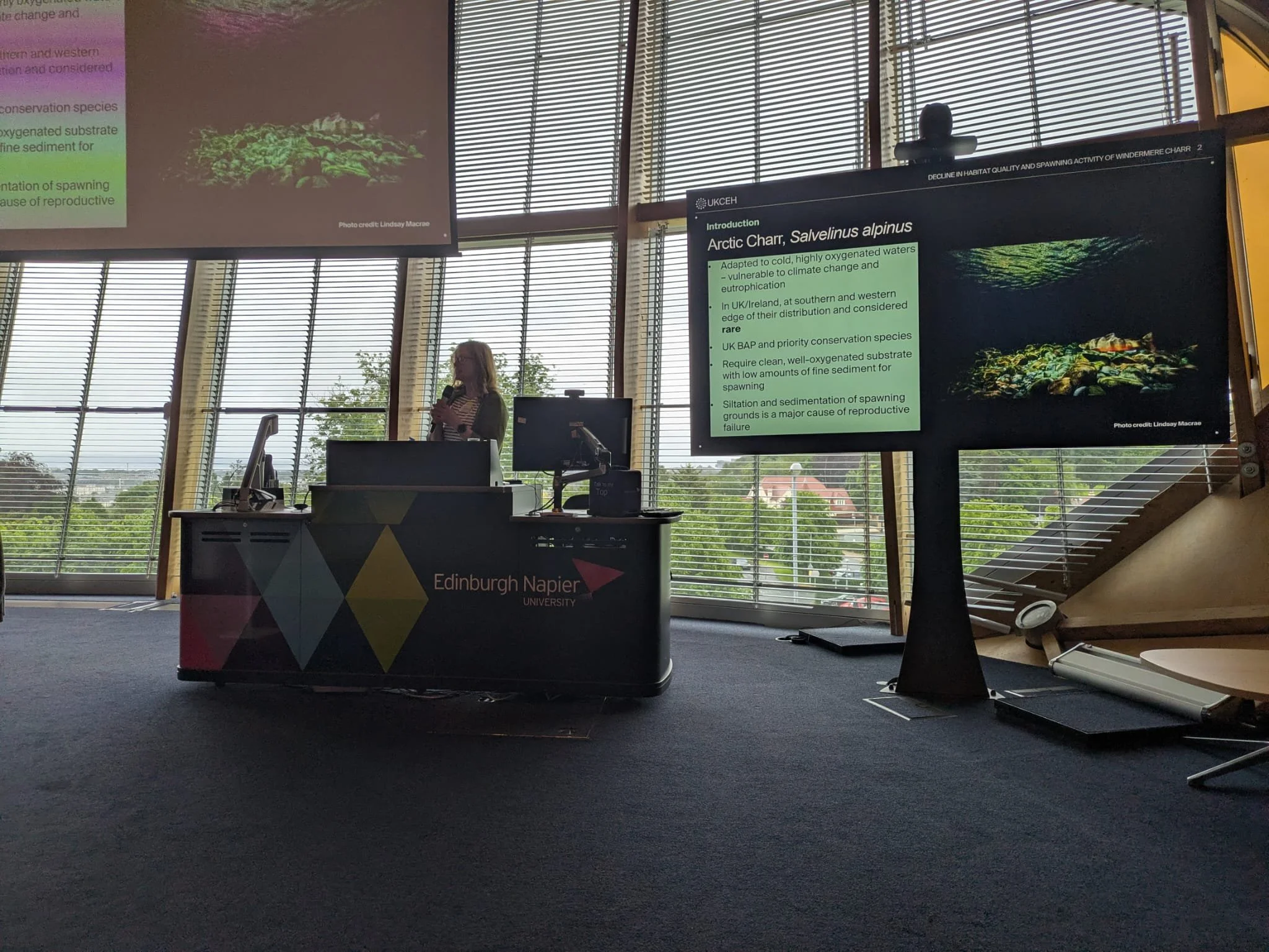
This year’s theme was ‘Emerging approaches for freshwater science’ and the organisers put together an incredible array of informative and inspiring speakers. We had everything from drumming stoneflies and unlocking the mysteries of Arctic charr, to advancing knowledge of temporary streams and the power of citizen science.
Thanks to all our inspiring speakers
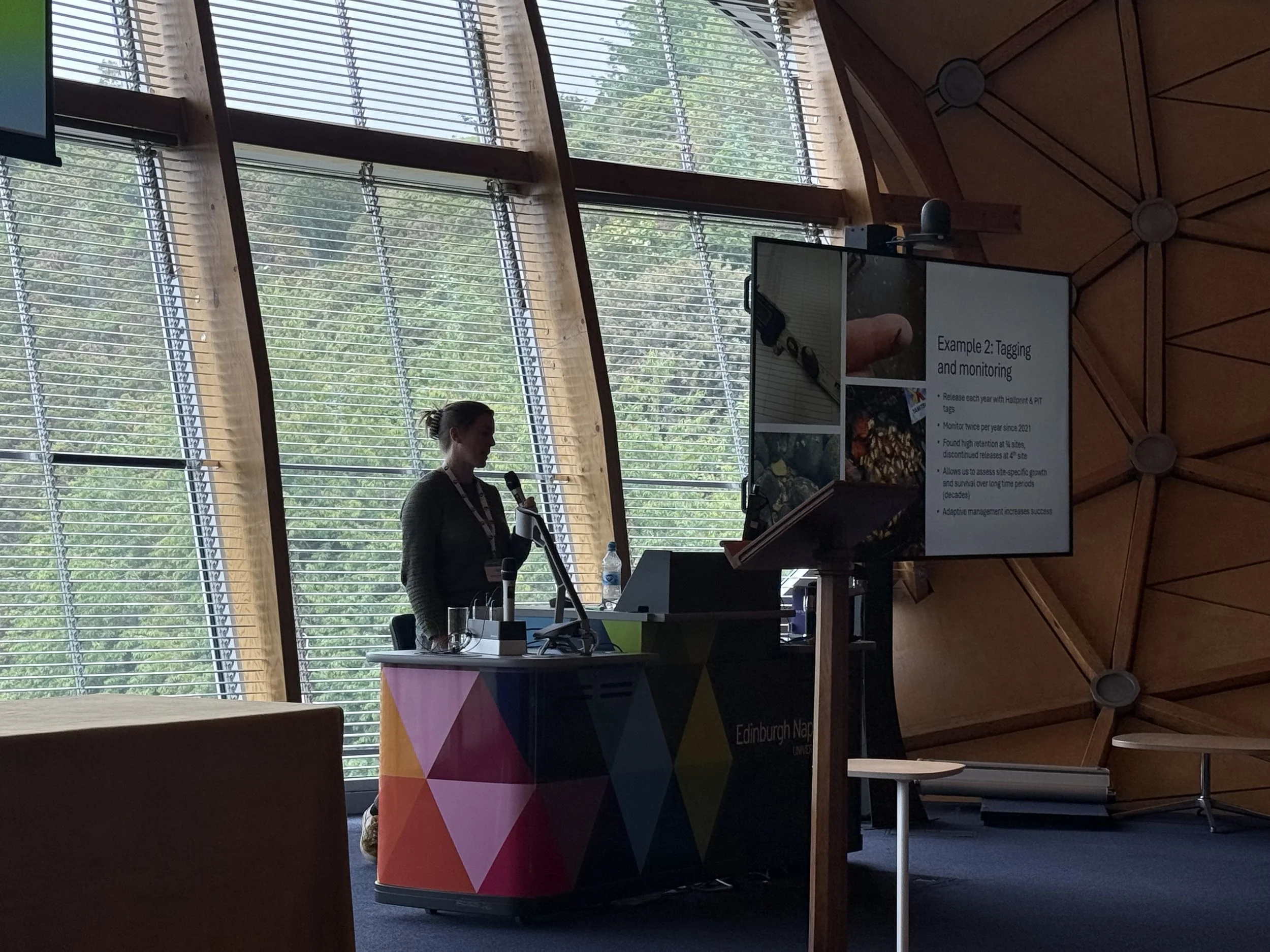
Our keynote speakers provided incredible insights into the world of machine learning, eDNA, macro-invertebrate bioacoustics and making stable isotopes cool! I am particularly proud that this year we introduced an Early Career Researcher (ECR) keynote speaker. Jess Lister (PhD student, Edinburgh Napier University) gave a superbly structured talk on ‘The Plecoptera’s Paradiddle – Advancing acoustic approaches to uncover stonefly behaviour’. Jess’s presentation was a fascinating dive into her innovative research methods, supporting much needed evidence about the potential impact of human-made acoustic pollution on freshwater environments. I look forward to hearing more about this important topic in the future.
There was an impressive array of innovative presentations addressing challenges facing freshwater ecosystems.
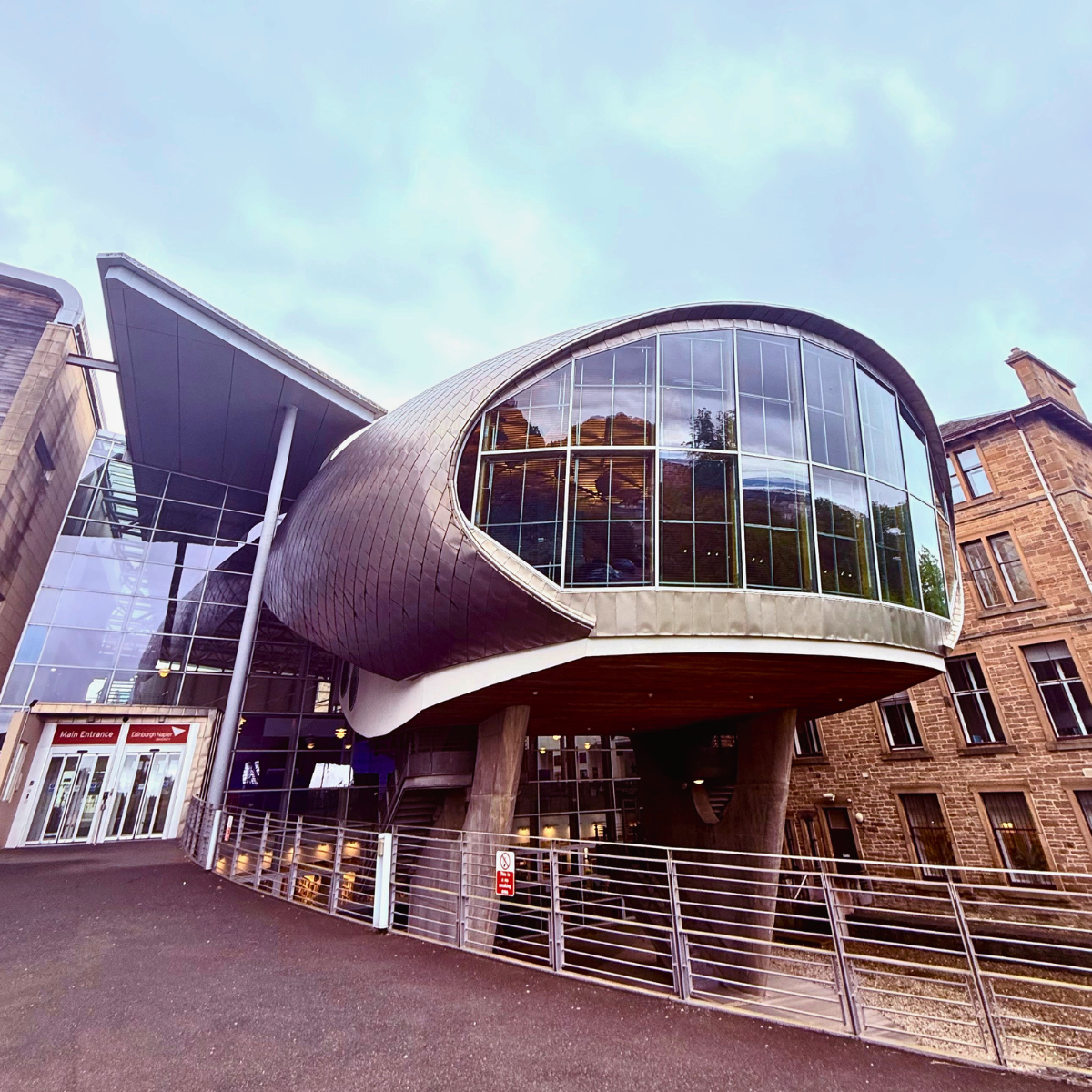
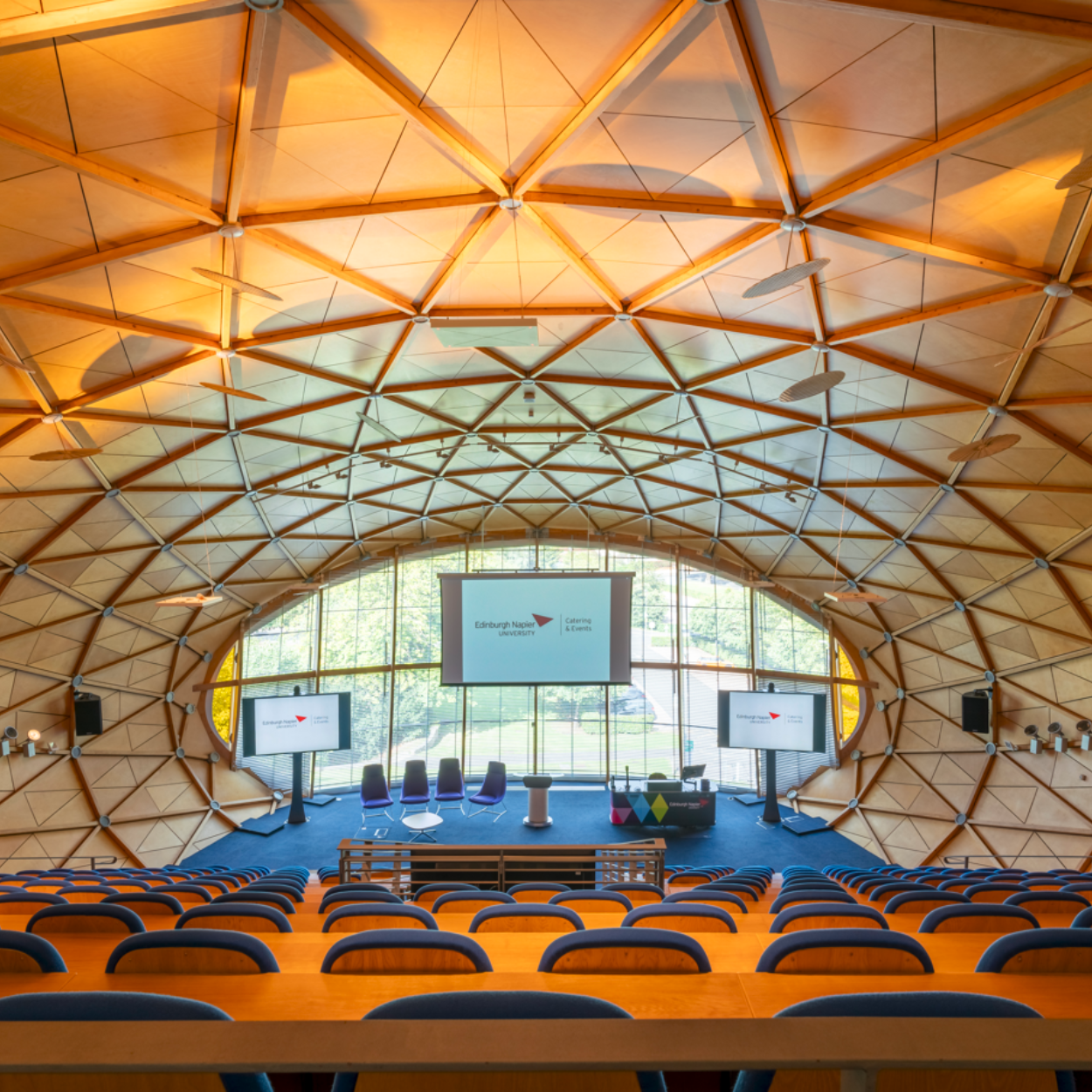
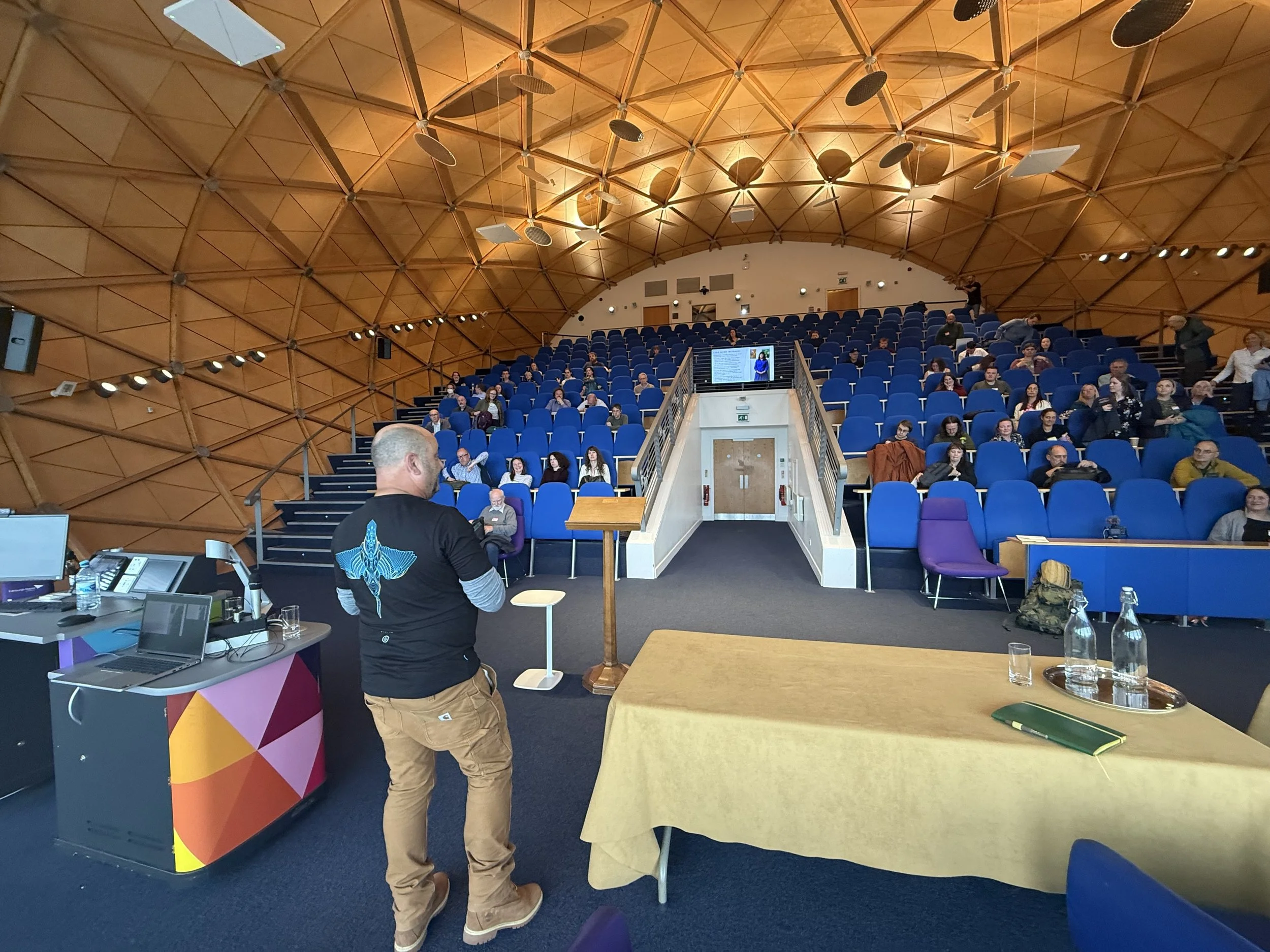
The Lindsay Stewart lecture theatre Edinburgh Napier University
A platform for Early Career Researchers
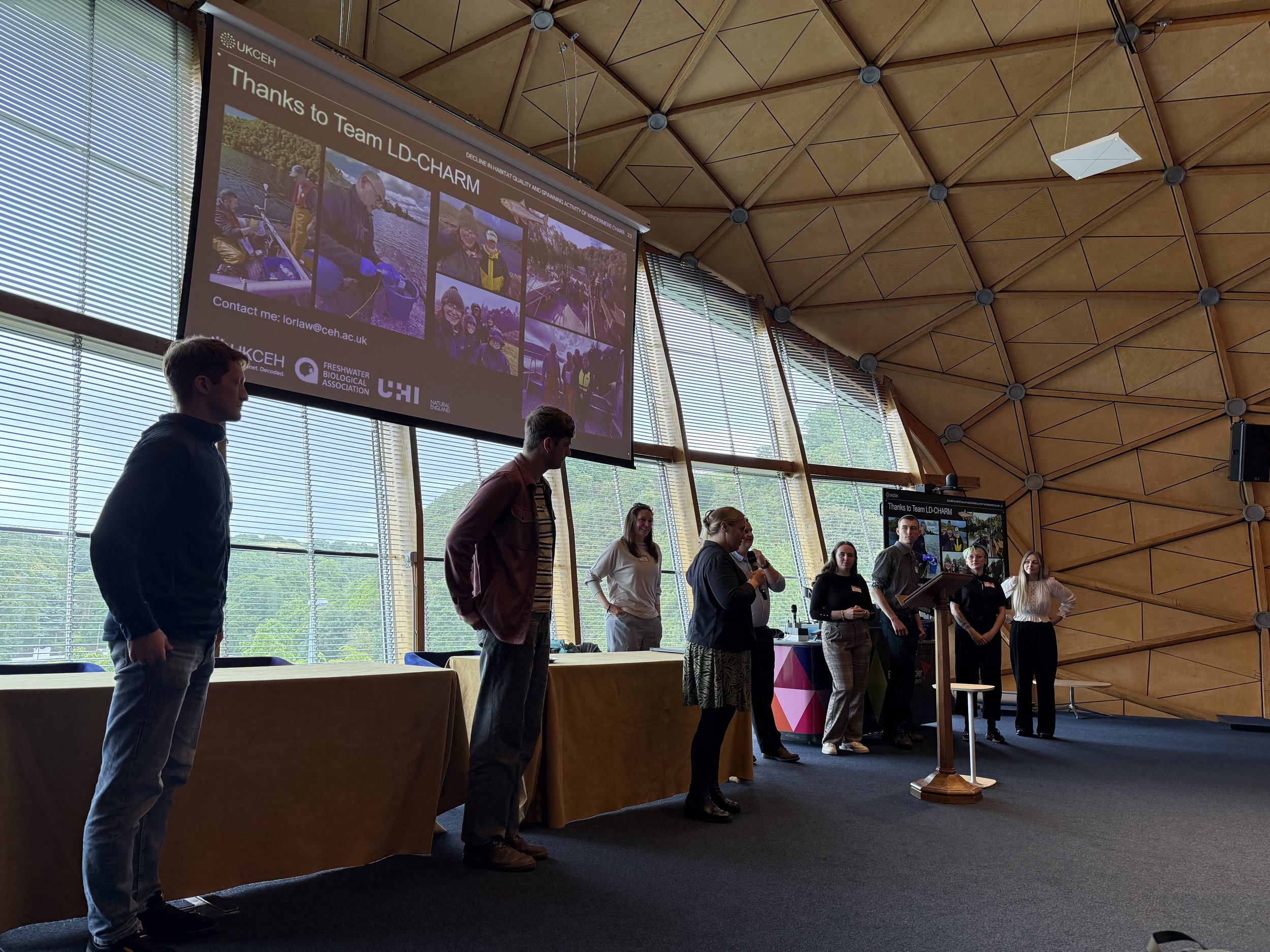
The meeting was very well attended by ECRs and we were treated to lightening poster presentation talks by a group of engaging and motivated individuals about their current freshwater research. Again, like Jess, there was an impressive array of innovative presentations addressing challenges facing freshwater ecosystems. These inspiring researchers are just the type of folk we need in the sector to help deliver action-focused science.
We are once again very grateful for the support of the Richard Chadd Bursary Fund, and it was fantastic being able to offer a number of bursaries to ECRs, as well as free places to 3rd year students at Edinburgh Napier University, something we will continue to do in future years.
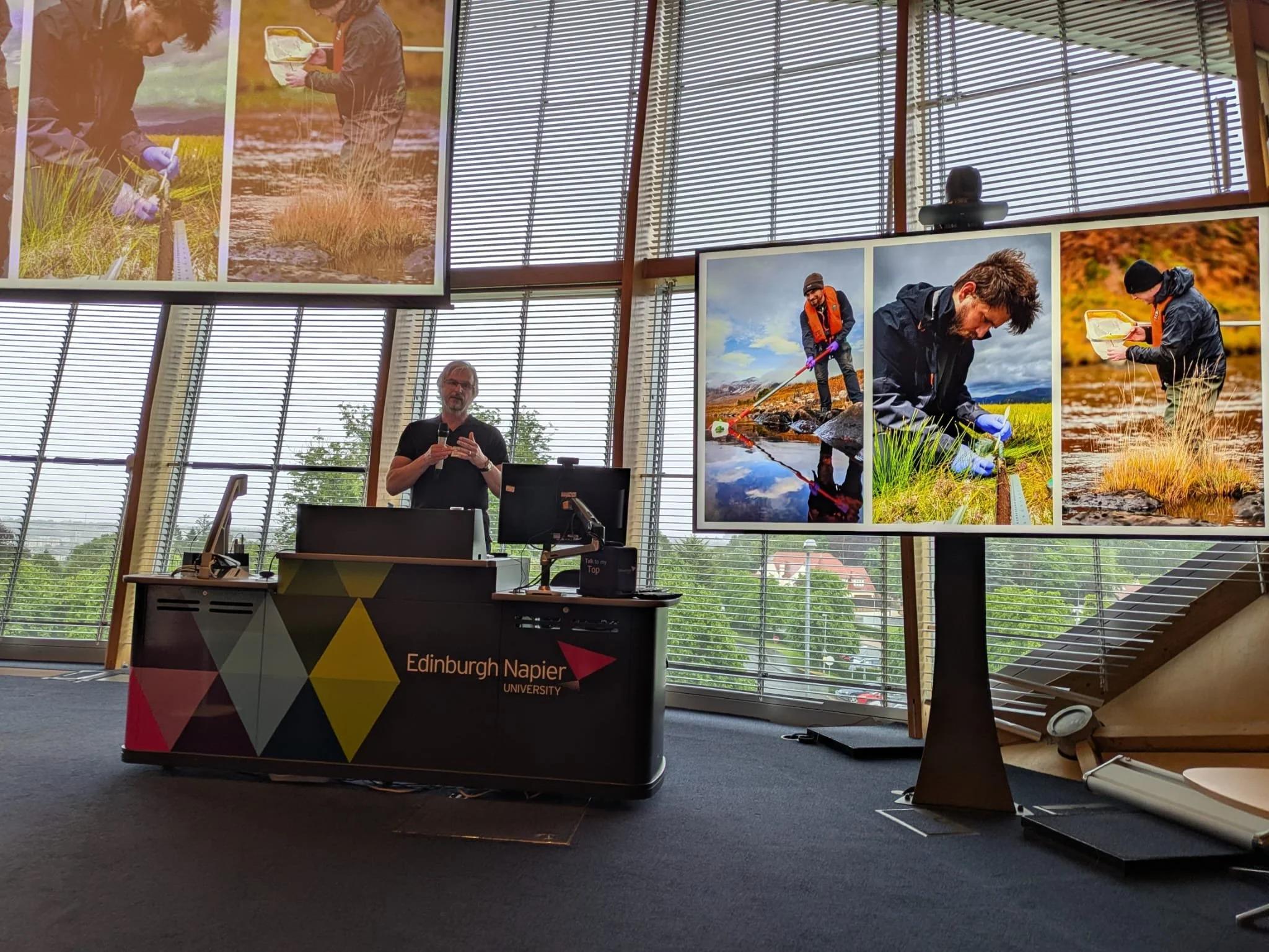

Final ASM discussion: Connecting activists and scientists
Our final session of the day was a facilitated debate on the role of science / scientists in supporting social movements in freshwater. Prof Rick Battarbee shared details of the ‘iWharfe’ community-led citizen science initiative designed to monitor water quality and ecological health along the River Wharfe. A project that was instrumental in campaigning for the River Wharfe to become the first designated inland bathing water site in England.
I was honoured to present on the campaigning work of Wensum Riverkin, an activist group calling for the rejuvenation of this precious, and presently ecologically compromised, SSSI chalk river. Our chair, Chris Dessent gave a thought-provoking insight into how scientists could harness the power of good communication to tell the story and importance of their science. What followed was a thoughtful discussion on this issue.
We listened to and discussed differing perspectives about how, on the one hand, there is a need to maintain scientific integrity and independence, balanced against the need to support social movements / campaigners with reliable, accurate evidence and data. Finding this sweet spot could be termed ‘responsible activism’?
Take home messages from the ASM
There were a number of important and empowering take home messages for me from the ASM this year:
There is an urgent need for responsible scientific activism – in an era of biodiversity / climate crisis – for the health of freshwater ecosystems this simply cannot wait!
Be brave because there has never been a better time to do the above – the public want to see urgent action to rejuvenate freshwaters.
Scientists should reach out to their local environmental social movements – these are our treasured places too and we are part of the catchment community!
The impact of our research needs to extend the academic realms – reaching beyond managing R&D, presenting at peer-to-peer conferences and publishing papers.
Have confidence that positive collaborations work – participatory frameworks that blend academics and the public, can and will drive change (proven by initiatives such as the Big Windermere Survey, iWharfe, Riverfly).
Overall, this debate really reinforced my personally held belief that scientists do have power to accelerate change by acting as individuals within social movements. However, that power would be magnified if scientific institutions themselves were to lend their weight behind those movements.
All too soon, the day came to an end. However, a lot of knowledge was shared, new friendships were made and I hope that attendees made their way home feeling inspired!
In conversation with FBA Board Member Jennifer Dodd, and PhD student Jess Lister at the ASM 2026
Many thanks to everyone who attended the FBA Annual Scientific Meeting this year at Edinburgh Napier University, and to all the amazing speakers and supporters!
Next year’s ASM?
We are now planning next year’s bash and have a working title ‘Solutions’. Based on feedback at the ASM (QR code survey) we will be holding the event in Kendal and Windermere over three days, including talks, field visits and a day specifically for ECR knowledge exchange and networking. More exciting announcements to follow soon!
Lastly, my thanks must go to my fellow co-conspirators Jennifer Dodd and Louise Lavictoire, and the team at FBA, who really helped to make this year’s meeting such a success!