
A scientist and author remembered: Dr Brenda Leese (1944-2026)
9 March, 2026
It is with a heavy heart that the FBA is sharing the sad news of the recent passing of Dr Brenda Leese BSc, PhD, BTEC.
Here FBA Fellow Elizabeth Haworth reflects on her time spent with Brenda Leese working on the FBA Fritsch Collection, shining a light on her successful scientific career, and achievements as an author and advocate for the forgotten women of botanical science.
Working on the Fritsch Collection at the FBA
I remember the day that Brenda came to help me with the Fritsch Collection of Freshwater, Brackish and Terrestrial Algae in 2014. We were then based in the Pearsall Building at the Ferry House, on the shores of Windermere, in the Lake District, Cumbria. During this time, we had the great pleasure of following on the work of Dr J.W.G. Lund, continuing to add any published algal illustrations and create new species sheets, especially of the Desmid and Charophyte species.
In 2019 we were then very lucky to have a visit from a grandson of Prof. F.E. Fritsch who began the Collection, and he was able to tell us much about Prof. Fritsch’s work and family background.
Brenda and I worked together to get the ’Fritsch Collection’ online and photographed a large number of desmid and diatom sheets. We were about to start a trial but this was unfortunately cut short during Covid. Following the FBA relocation to the YMCA at Lakeside at this time, the Fritsch Collection of Freshwater, Brackish and Terrestrial Algae also found a new home at the Natural History Museum for storage, and so our work on the Fritsch Collection concluded, but I have many fond memories of our time together.
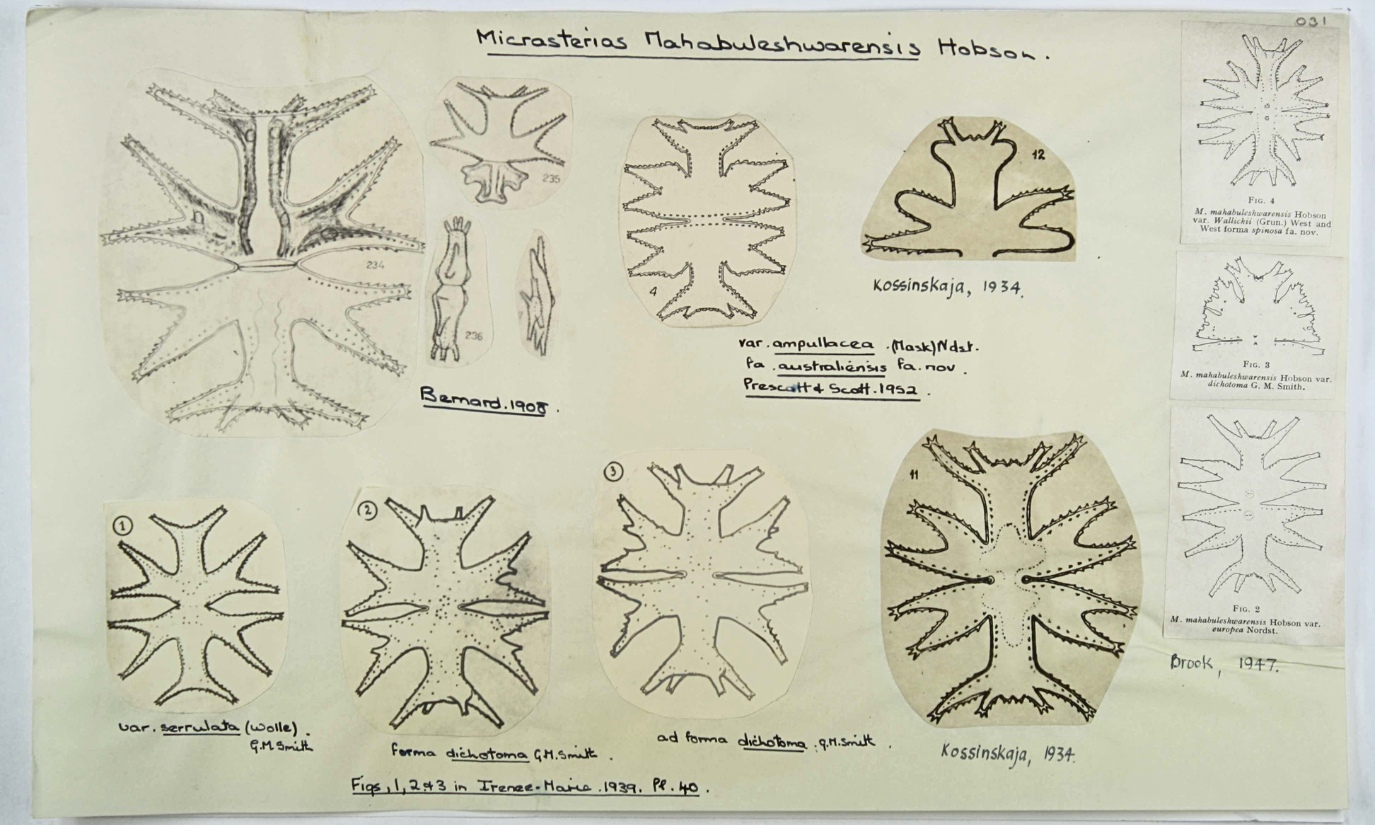
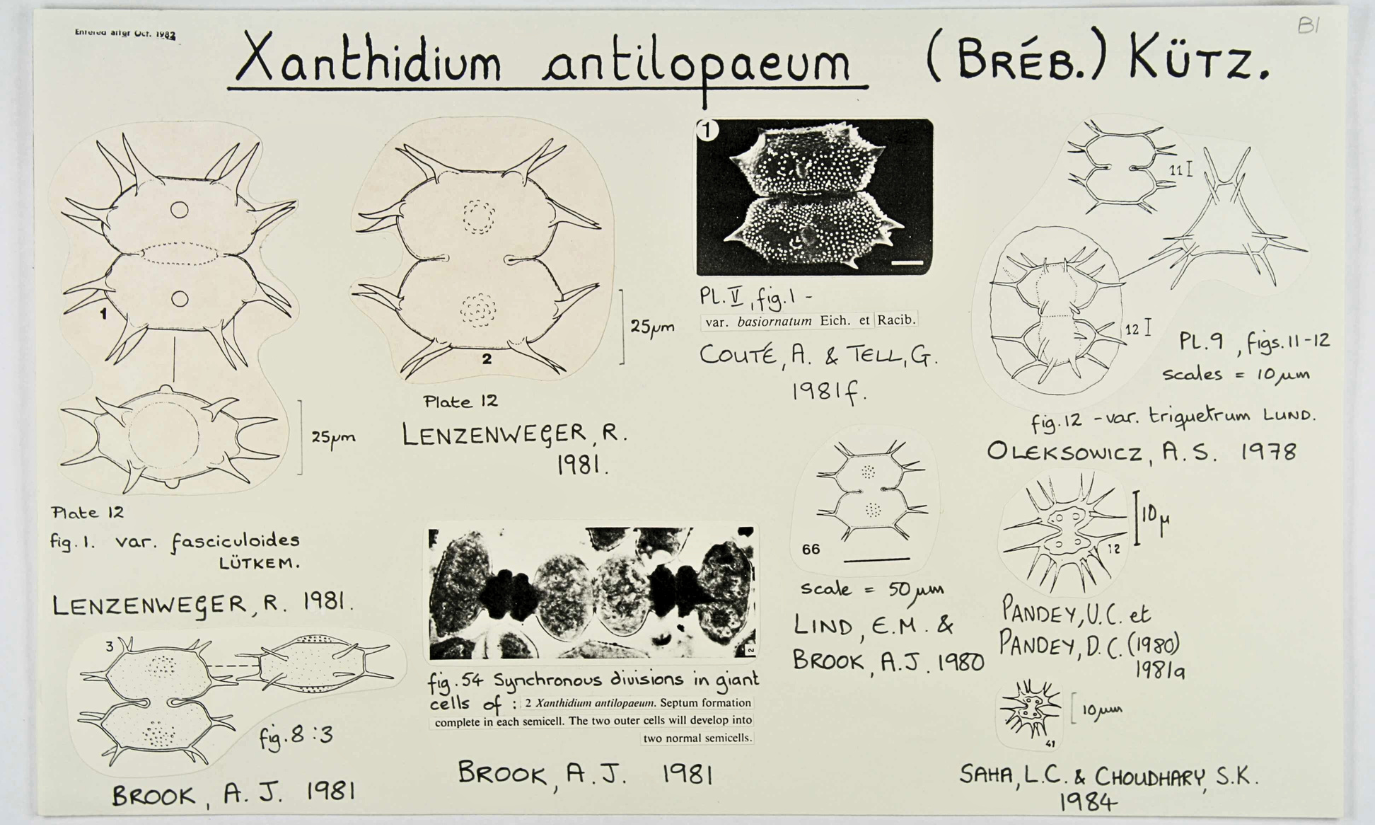
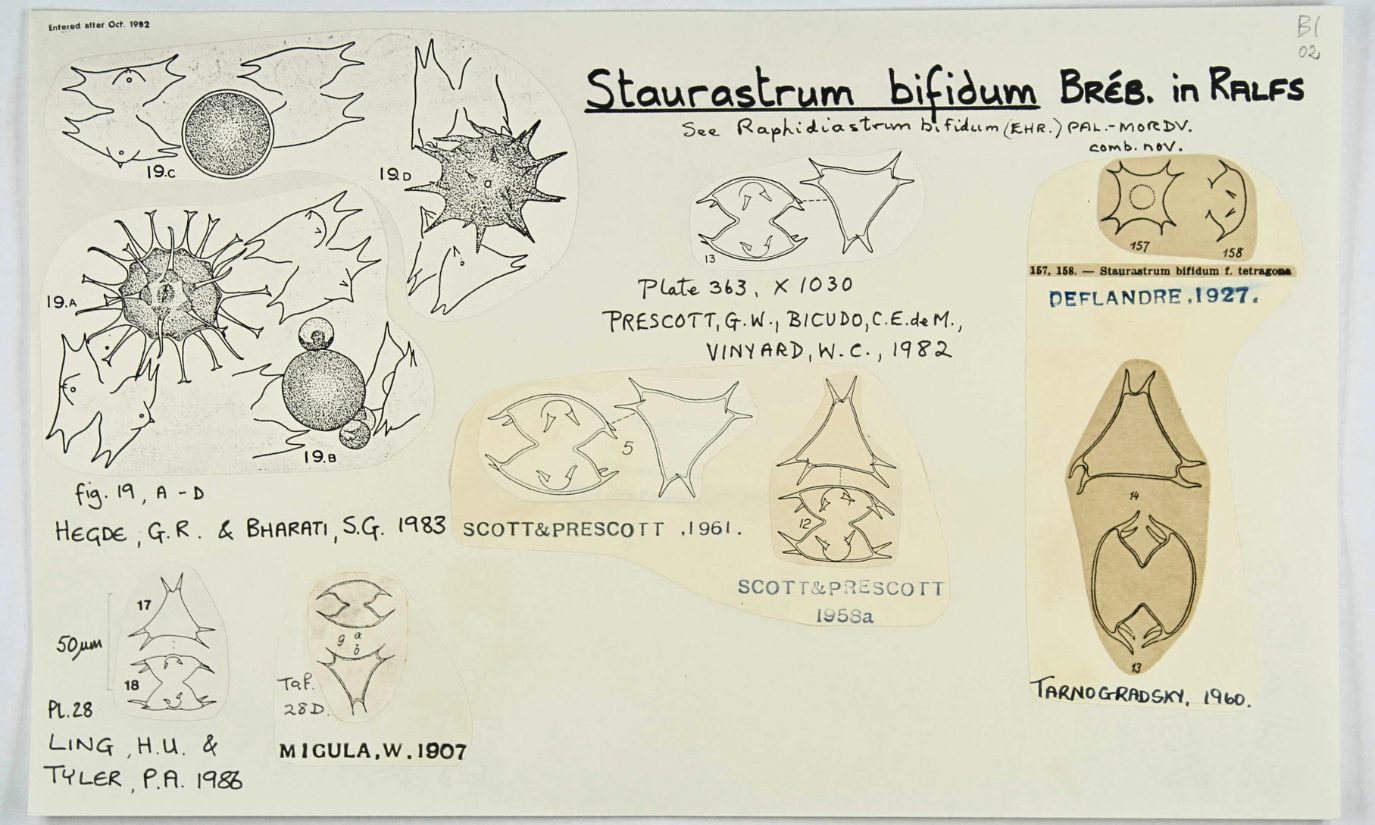
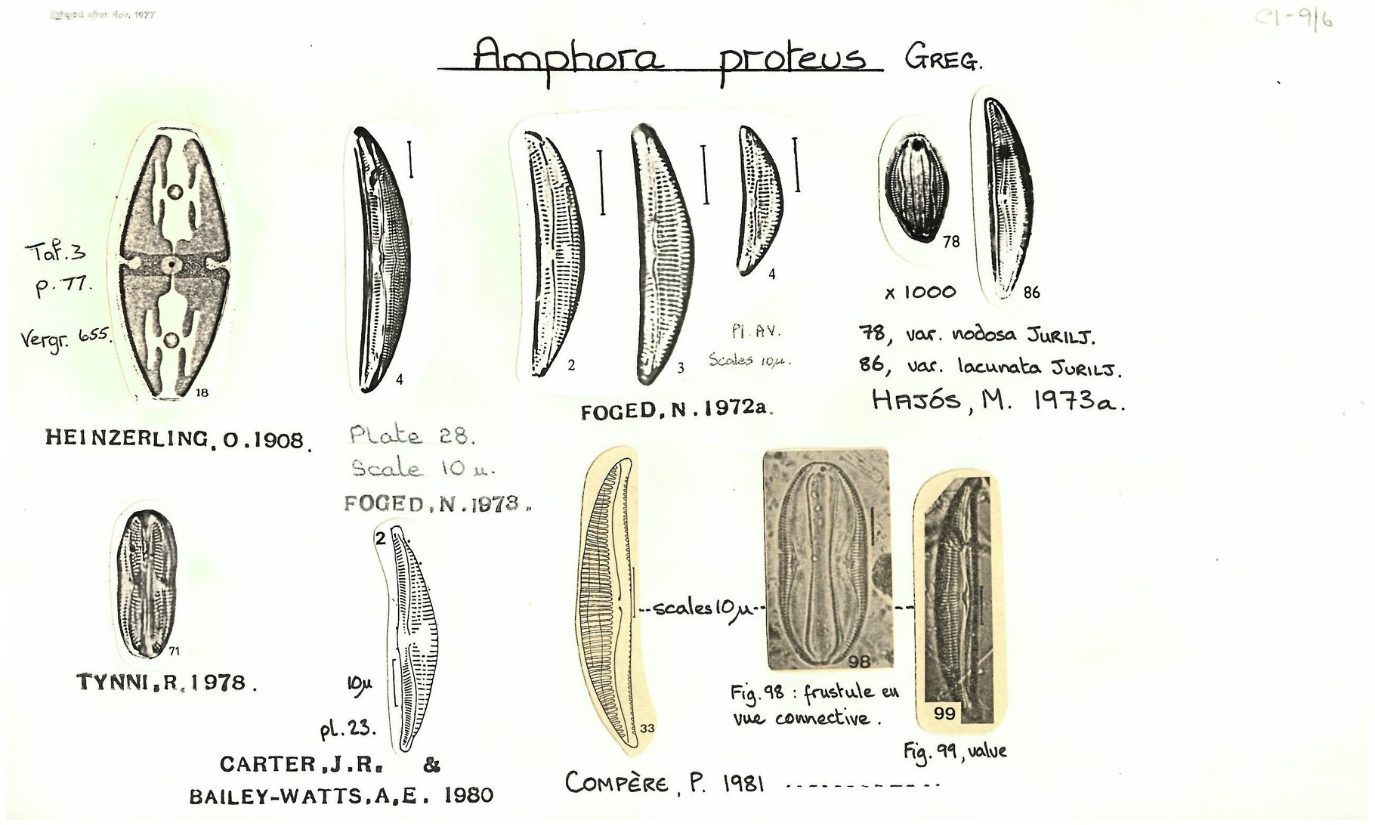
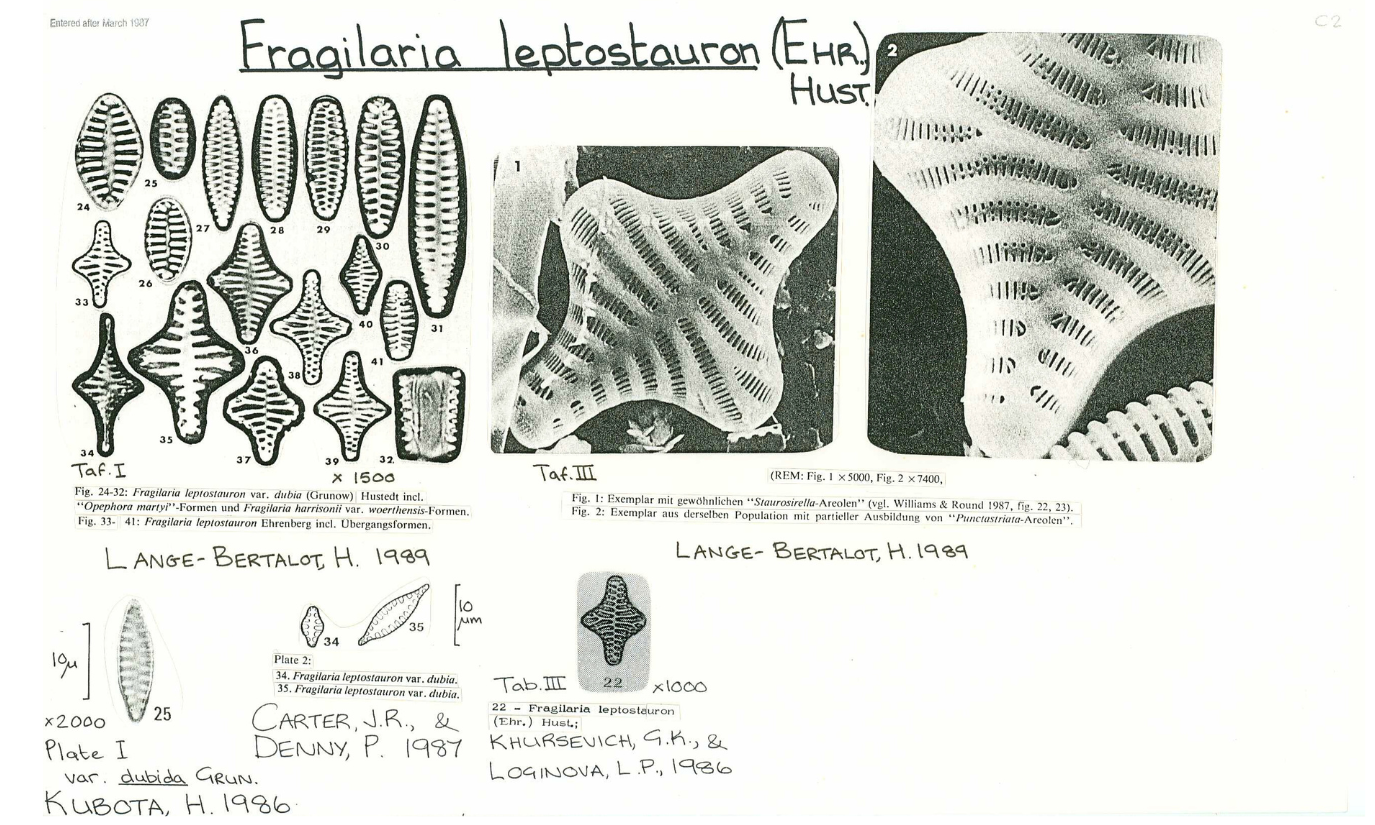
Some of the Fritsch Collection sheets that Elizabeth Haworth and Brenda Leese were working on in preparation for a trial before Covid.
A life in science
It was during her childhood growing up in 1950s Lincoln that Brenda developed an interest in wildflowers. After winning a pressed flower competition in school, the seeds of her botanical interests were truly sown. Leading her to study Botany and Biochemistry at Queen Elizabeth College, University of London, and then later gaining her Doctorate in Plant Biochemistry at the University of York. Following a career change, Brenda worked as a Health Scientist and became a Research Fellow at York in 1985, her time there leaves over 100 publications on health services research.
After retirement from academia, Brenda and her husband Henry moved to Windermere, in the Lake District, and she was soon helping at the local Holehird Gardens, becoming especially interested in the Heather Collection. It was during this period that her interest in botanical writing blossomed.
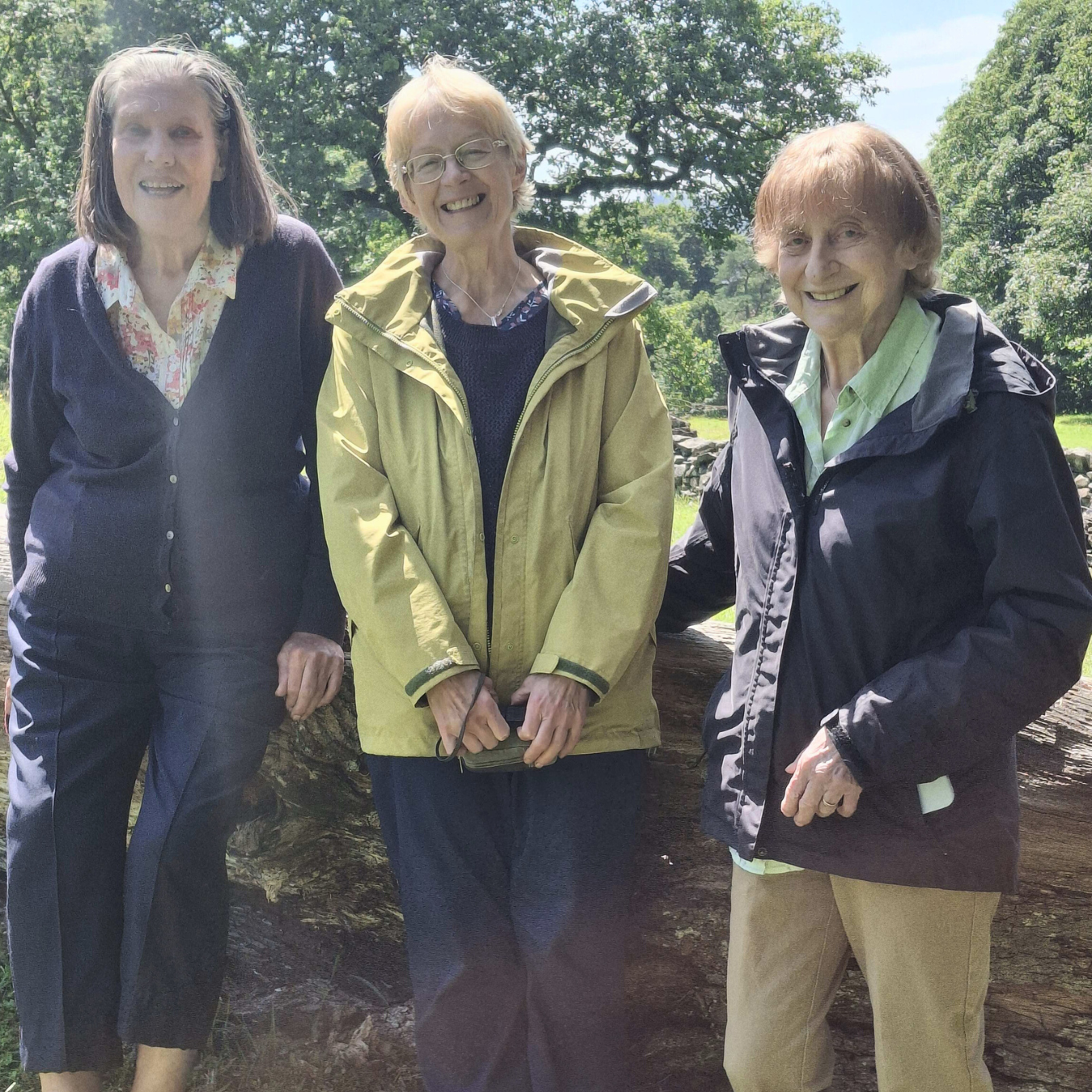
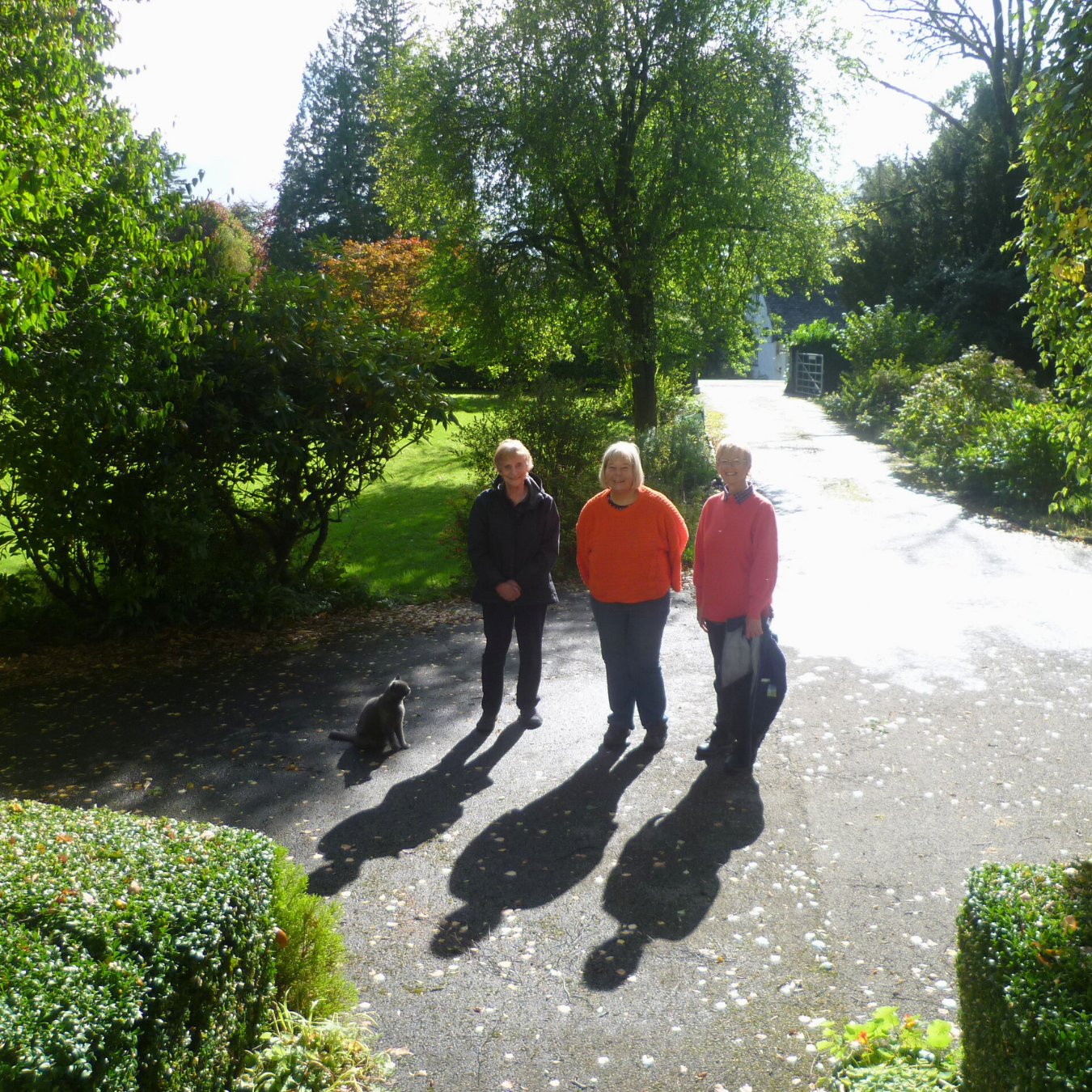
Photo (left) Liz Haworth, Chris Hurford and Brenda Leese, and (right) Brenda Leese, Thora Talling, Chris Hurford (& Minkie).
Author and advocate for the forgotten women in botanical science
Even after a successful career in academic research, Brenda’s appetite for learning continued and she went on to complete a horticultural BTEC course at the then Newton Rigg College, Penrith. During this period Brenda discovered that books about plant hunters and experts rarely mentioned women. A motivation for her first book, 'There She Grows', about female plant hunters, botanists, horticulturalists and botanical artists, who have a plant species or genus named after them.
Her second book ‘There She Grows Again’ details the lives of 16 women who were the wives of well-known plantsmen, 10 members of various royal families and 13 goddesses. The book aims to highlight the contribution made by women to botanical science, where they have been so often overshadowed by men.
‘There She Grows Again’ was featured in local Cumbrian paper, the Evening Mail, in August 2023. Advolly Richmond, a writer and plant historian from BBC Gardeners' World, provided high praise for the book.
“This book is a wonderful gem. I found this book very informative and full of delightful surprises with plenty of background information and useful sources. So often people get forgotten in history, usually women whose identities started to fade as soon as they had adopted their married name.”
In the news article Brenda, who was then volunteering at Holehird Gardens, home of the Lakeland Horticultural Society, expressed her astonishment at how many of these women's achievements were marginalised during their lifetimes.
“Women were excluded from scientific societies with the view that botany should be the preserve of men and not be an amusement for ladies, who were regarded as ‘amateurs’. While botanical art was acceptable as a ‘genteel diversion’ many women published anonymously because if they didn’t their work would be ignored or dismissed as unworthy.”

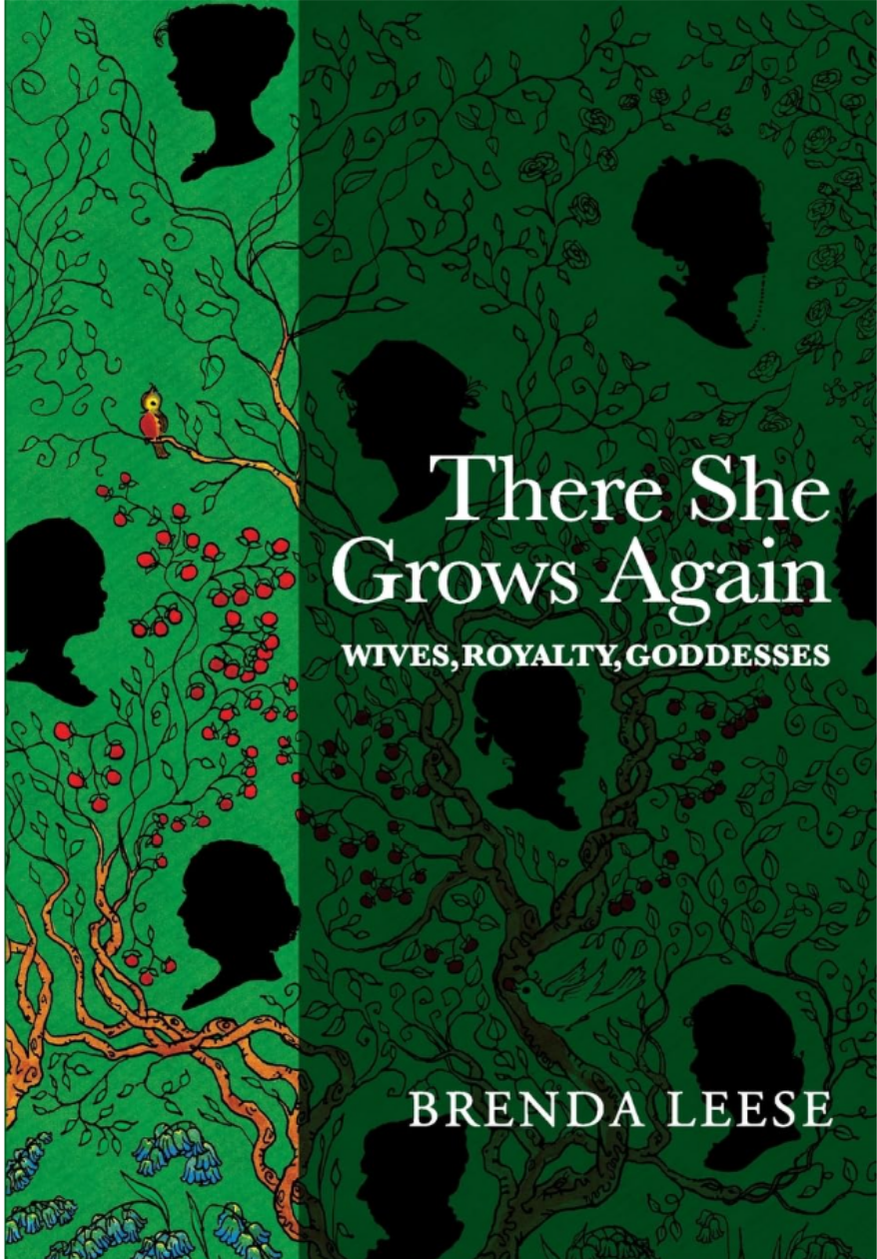
Covers of There She Grows (2018), and There She Grows Again (2023) by Brenda Leese.
Brenda Leese remembered
Brenda just never stopped learning! How ever did she find the energy to come and give so much help in running the Fritsch Collection at the FBA? Her enthusiasm was truly inspirational, and her two books remain as a fabulous literary legacy for women in botanical science. She has my grateful thanks for her work and her friendship, which continued when we enjoyed quarterly lunches, with Thora Talling a potter (and Jack Talling’s daughter) and Christine Hurford, also an artist, who were both influenced by the Fritsch Collection for their illustrations.
Brenda died peacefully at home on 12 February aged 81 years. Much loved wife of Henry, loving mother of David and Matthew, mother-in-law to Louise and Sarah and wonderful grandmother to Mary.
Elizabeth Y. Haworth
With special thanks to Henry Leese for much information. Thinking of you at this sad time.
There She Grows (2018) and There She Grows Again (2023) by Brenda Leese are both available online.
Evening Mail article on Brenda’s 2023 book: Cumbrian author and botanist shines light on forgotten women, 17th August 2023.
Read: The Fritsch Collection of Freshwater, Brackish and Terrestrial Algal Illustrations by Elizabeth Haworth & Louise Lavictoire, p18-20, Freshwater Biological Association, No. 82 Spring/Summer 2021.