Science Articles & Reviews
Introducing our series of FBA Voice science articles, edited by Rachel Stubbington, Nottingham Trent University. This section also includes some personal reviews.
Rachel is both a Fellow of the Freshwater Biological Association and long-standing Editor of FBA science articles. If you would like to write an article for publication on this webpage, please contact Rachel at: rachel.stubbington@ntu.ac.uk
FBA Voice is the monthly newsletter of the Freshwater Biological Association
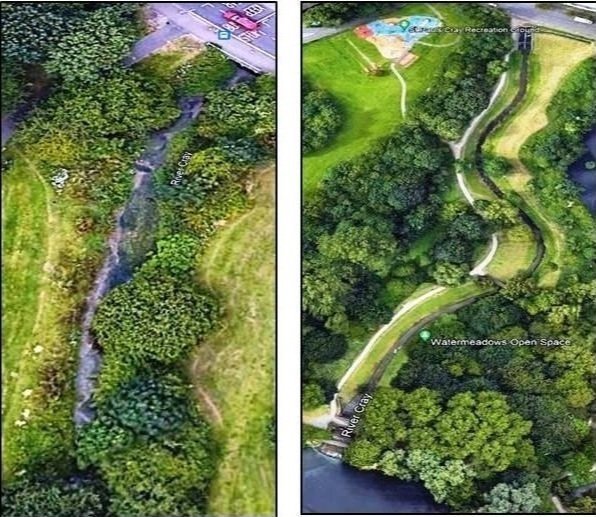
Riverfly monitoring – a citizen scientist’s view from the River Cray
By Brian Knights
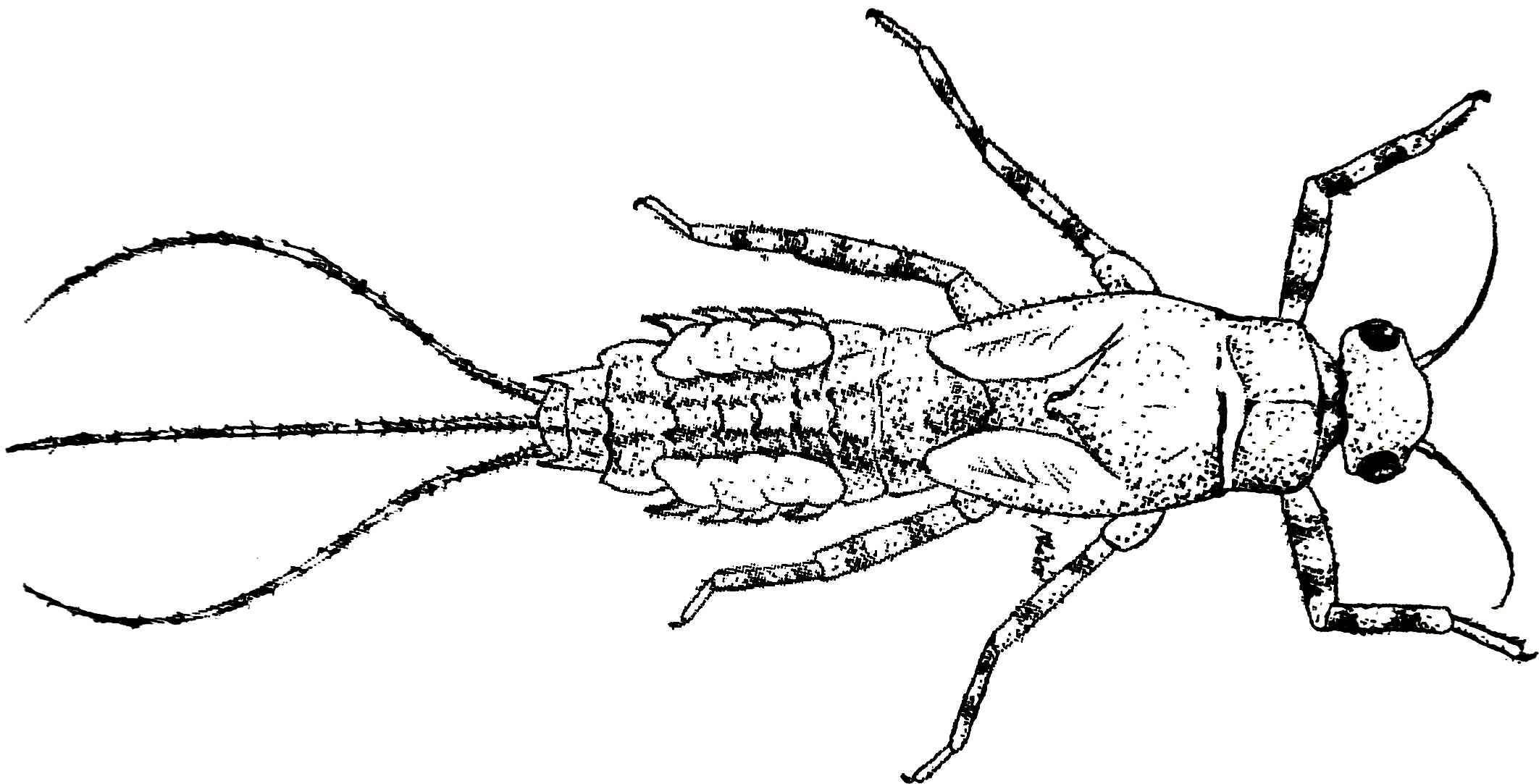
Riverfly Monitoring Initiative (RMI) sampling involves trained volunteer citizen scientists taking 3-minute kick samples and counting eight macroinvertebrate indicator groups.

The vital statistics of standing waters in the United Kingdom
By Stephen C. Maberly, Laurence Carvalho and Philip J Taylor
This article uses data within the UK Lakes Portal to describe the abundance, distribution and size of UK standing waters.

Uncovering Windermere’s hidden depths using environmental DNA monitoring
By Lynsey R. Harper, Bernd Hänfling and Lori Lawson Handley
Reporting on environmental DNA monitoring of Windermere, from initial ground-truthing efforts for fish to citizen science assessment of other vertebrates. Many coauthors contributed to the research spearheaded by Bernd Hänfling and Lori Lawson Handley, and the most recent eDNA survey was made possible by volunteers.

Rethinking river restoration: a challenge for freshwater ecology
By Stewart Clarke
This autumn, I attended the Scientific Advances in River Restoration (SARR) conference hosted by the River Restoration Centre in Liverpool, UK. River restoration as we currently understand it—management interventions to modify or reinstate instream physical habitat features lost due to human modification—began in earnest in the 1990s and has matured as a practice.
Old paradigms, new uncertainties – what supports stream food webs?
By Alan Hildrew
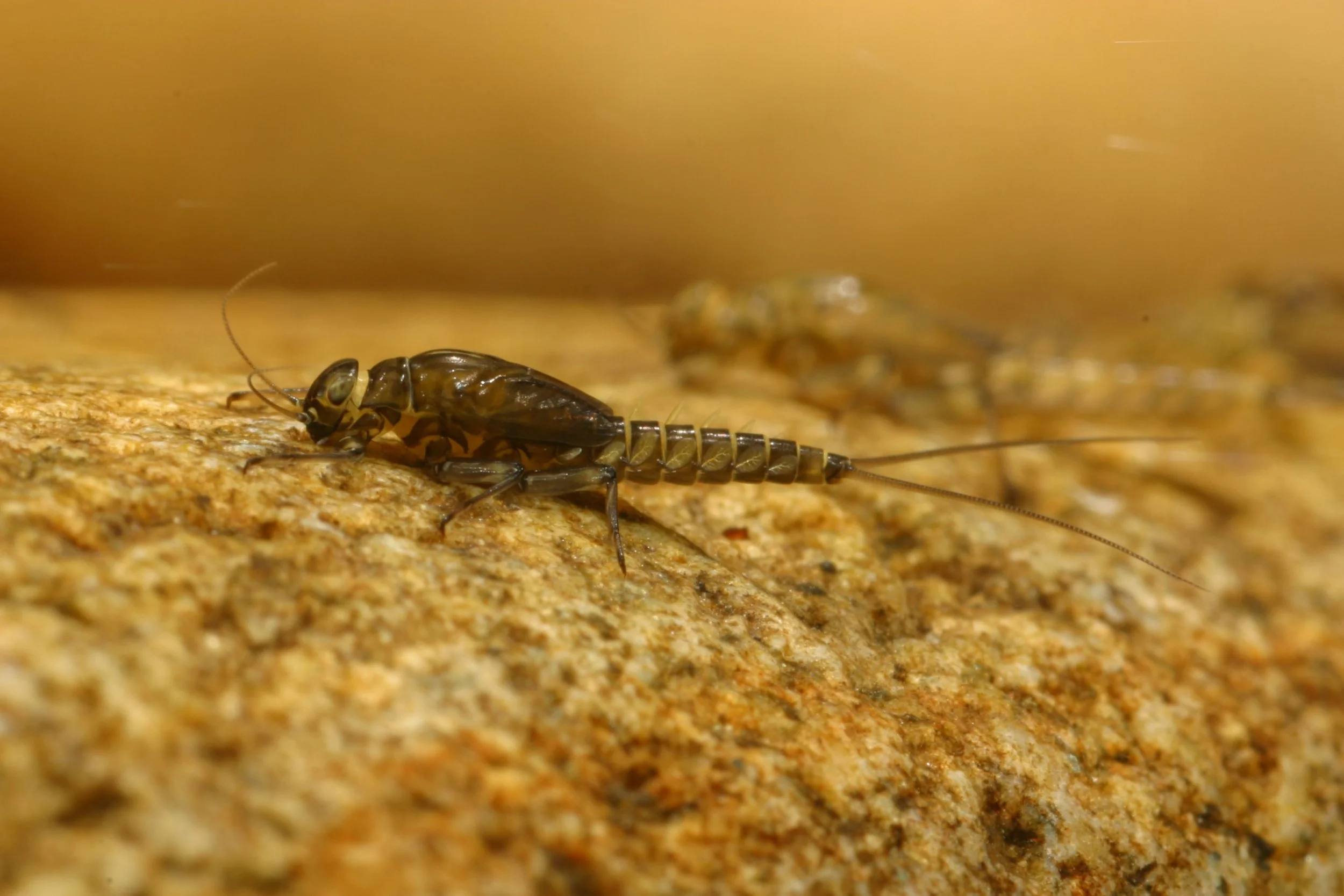
Despite the substantial weight of evidence, garnered over a period of 50 years or more, that terrestrial organic matter is the most important source of energy fuelling many stream food webs, it is being seriously questioned by new approaches which suggest that algal carbon in headwater streams is much more important than previously thought.
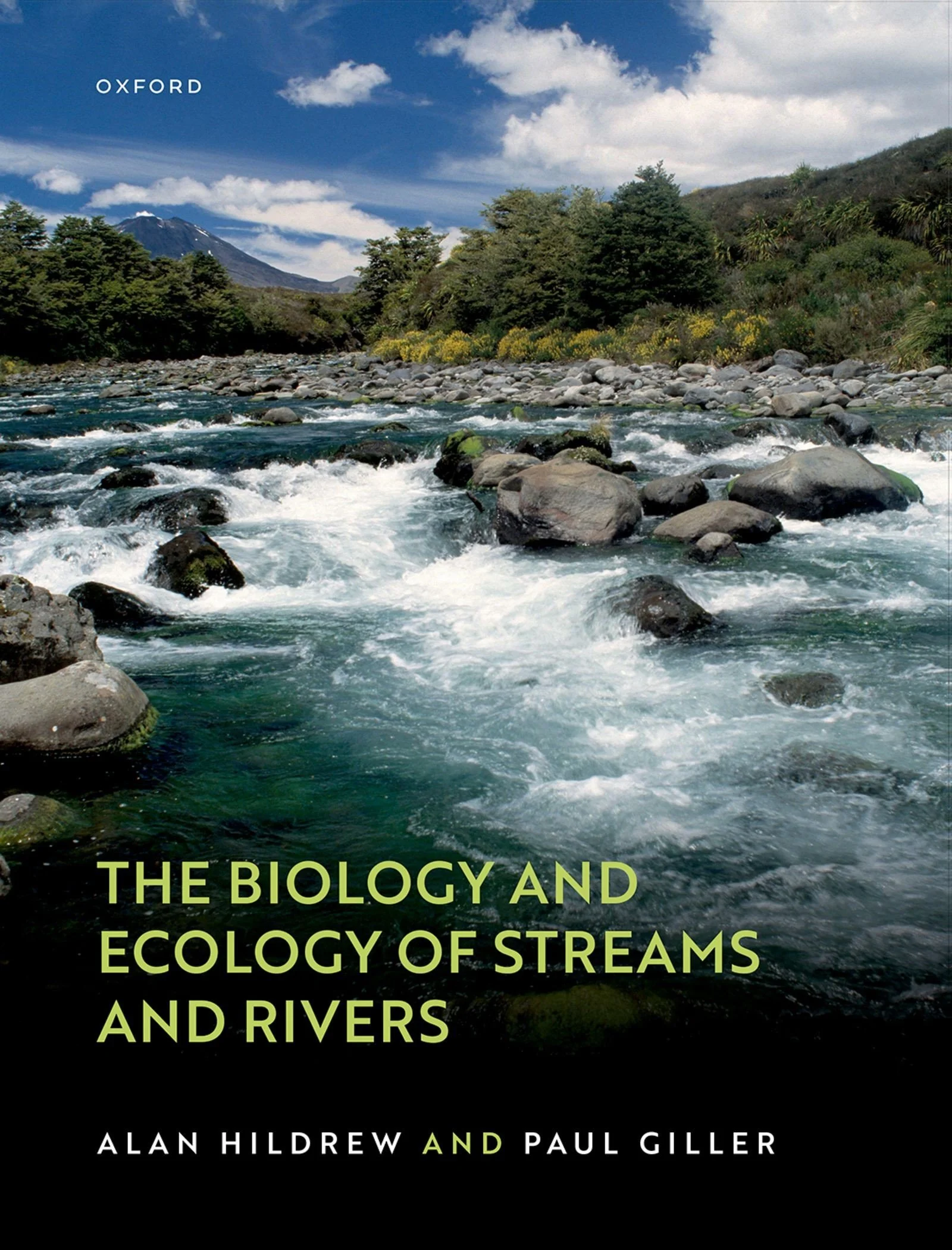
Book review: The Biology and Ecology of Streams and Rivers
The Biology and Ecology of Streams and Rivers, by Alan Hildrew and Paul Giller
Rachel Stubbington reviews this important new textbook.
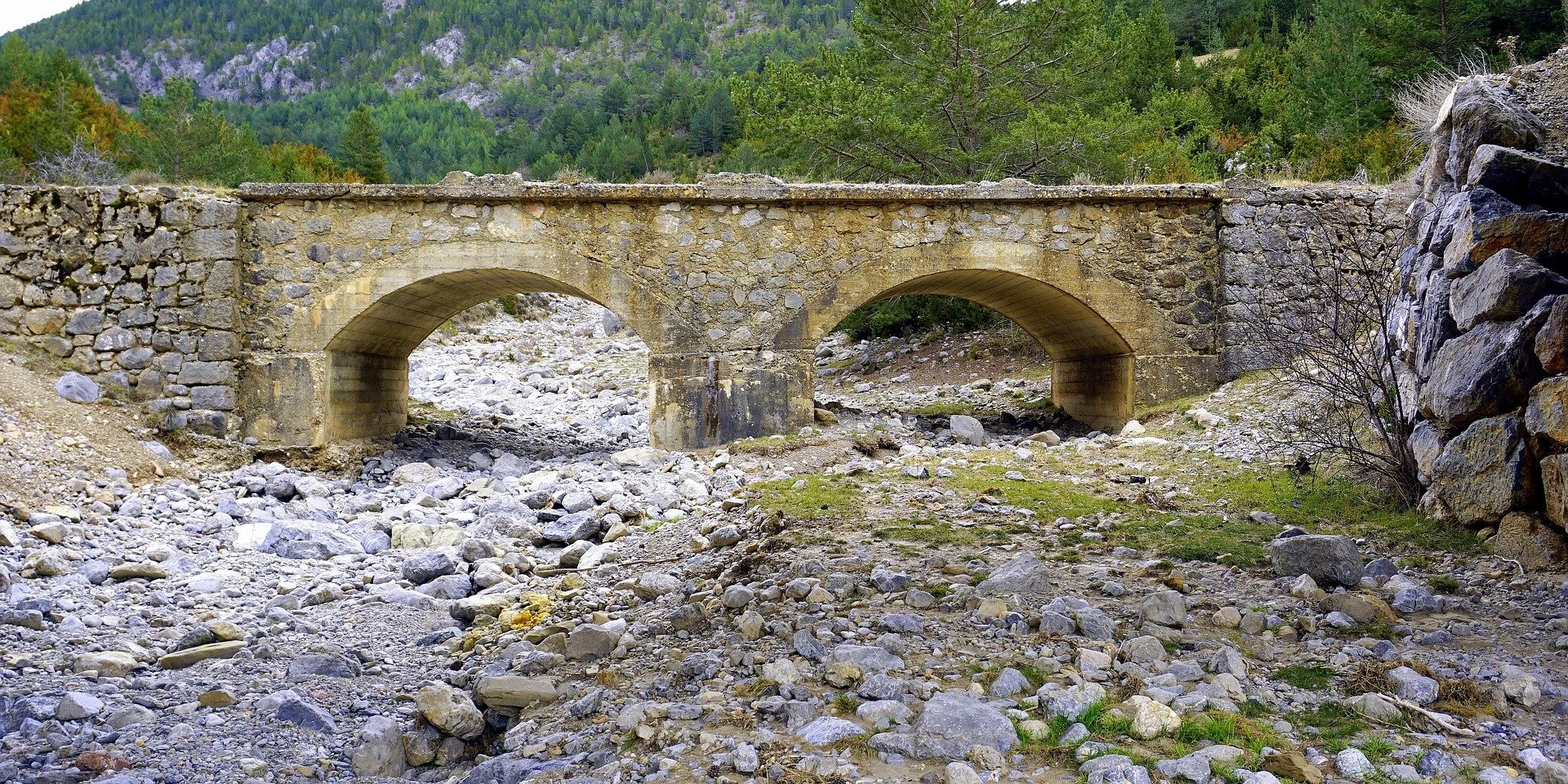
Where does carbon go when a river dries? Insights from across the channel
By Romain Sarremejane, Teresa Silverthorn, Nans Barthélémy, Margot Jans, Amélie Truchy, Naiara López-Rojo, Arnaud Foulquier, Thibault Datry.
Rivers are the Earth’s arteries, transporting water, nutrients and organic matter from lands to seas, and contributing to key ecosystem functions associated with carbon and nutrient cycles.

A day in the life of a pond soundscape: singing insects and popping plants
By Jack A. Greenhalgh, Martin J. Genner, Gareth Jones.
New technologies, such as environmental DNA, drones, radar, camera traps and LIDAR are increasingly being used to survey ecosystems and provide new perspectives on ecosystem function and condition.

Feeling our way towards macroalgal assessment for citizen scientists
By Katrina Woodfield, Martyn Kelly, Bill Brierley & Bernadette White
Unsightly growths of filamentous algae are among the most conspicuous indicators of poor water quality and, as such, are obvious candidates for citizen scientists to use for assessing the condition of their local rivers and streams.
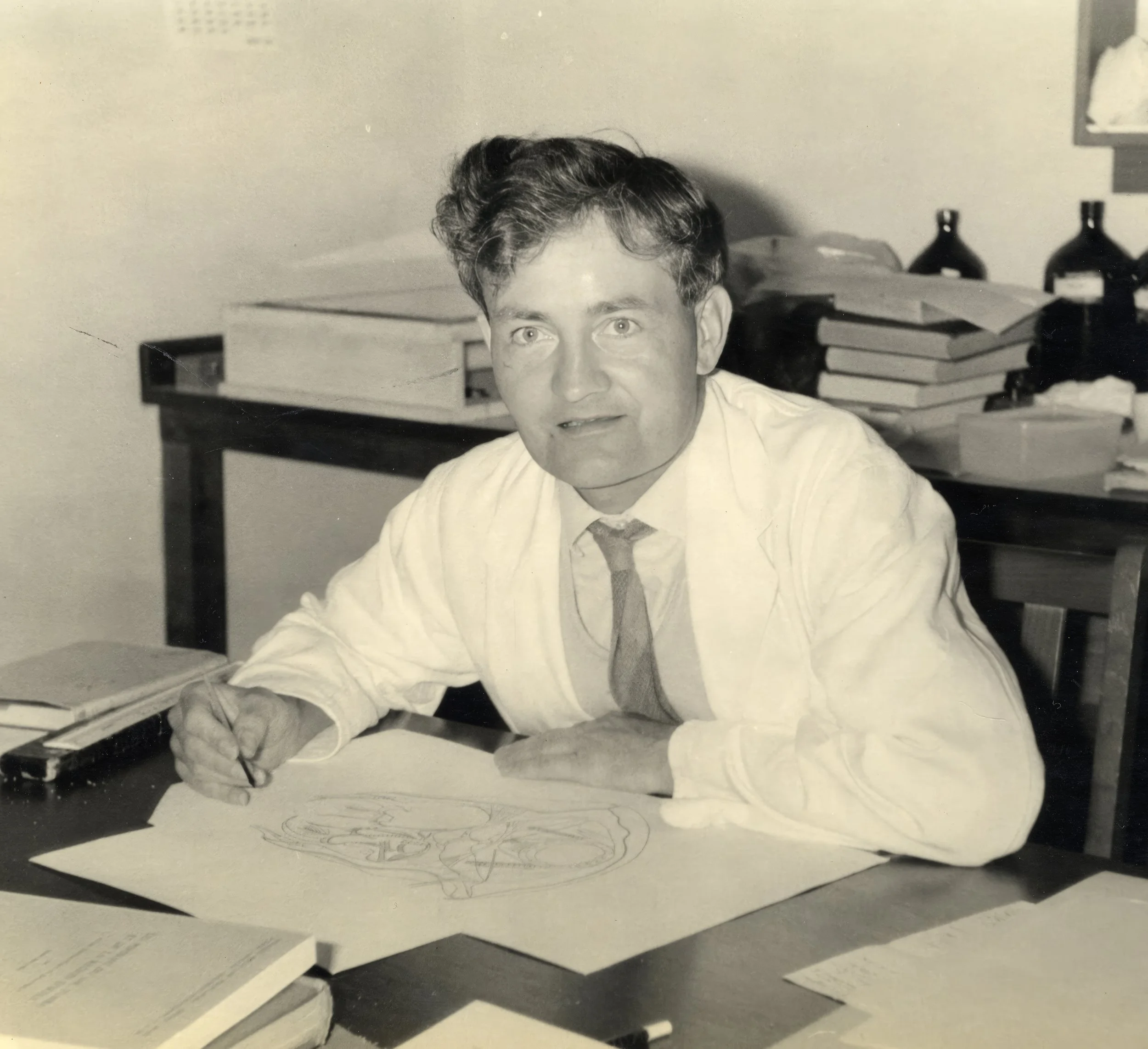
Geoffrey Fryer’s impressive half century
FBA Fellows Martyn Kelly and Catherine Duigan remind us of a significant anniversary in the FBA’s history.
Fifty years ago this year, Geoffrey Fryer, then a scientist at the FBA’s Windermere laboratories, was elected as a Fellow of the Royal Society. In 2022, he becomes part of a very small group (just 12 out of 1763) who have achieved a half-century of Fellowship.